5 August 2023
Tales of Baku
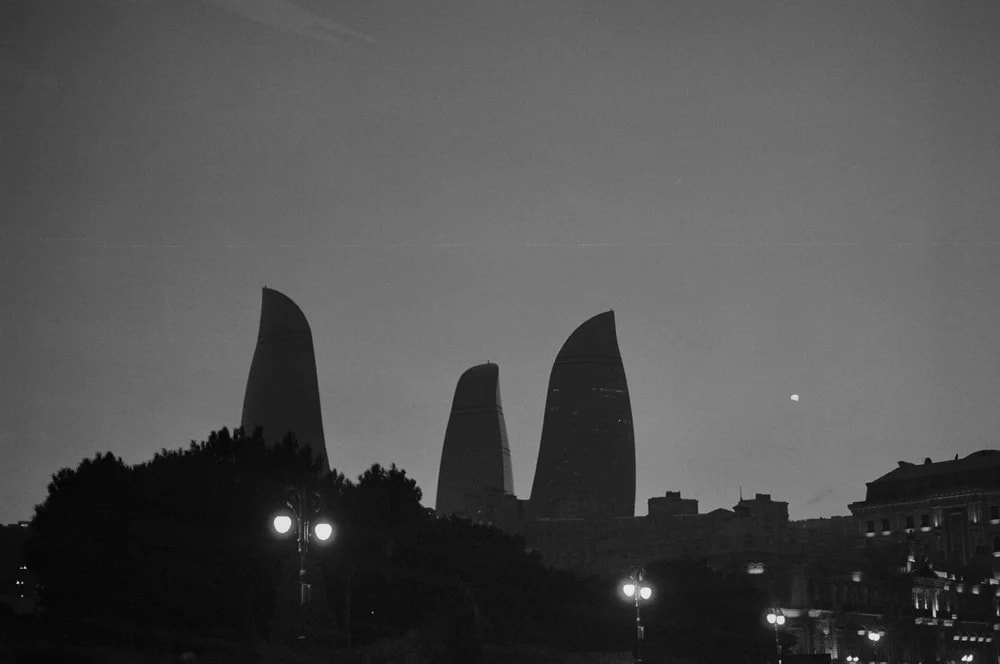
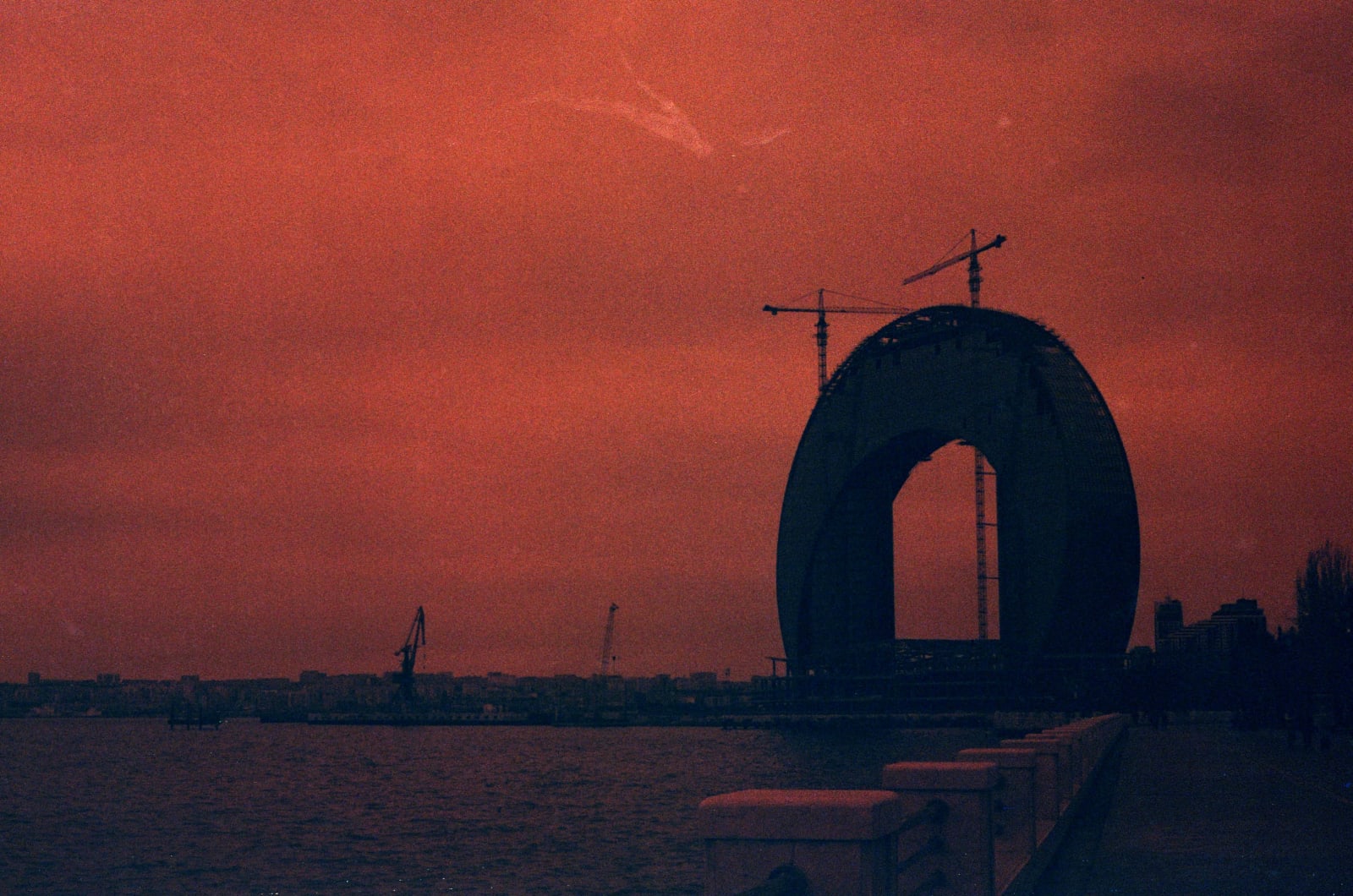
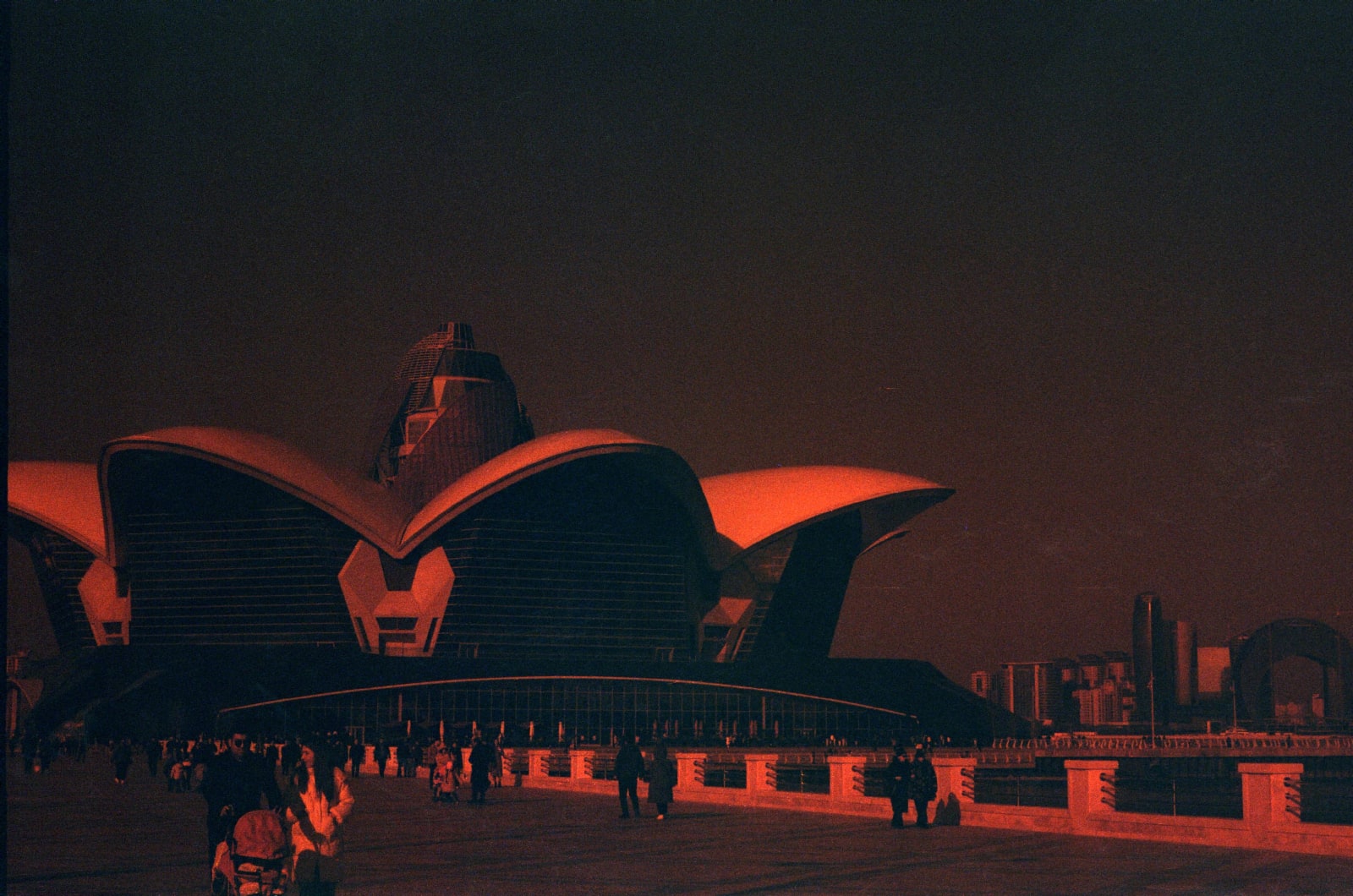
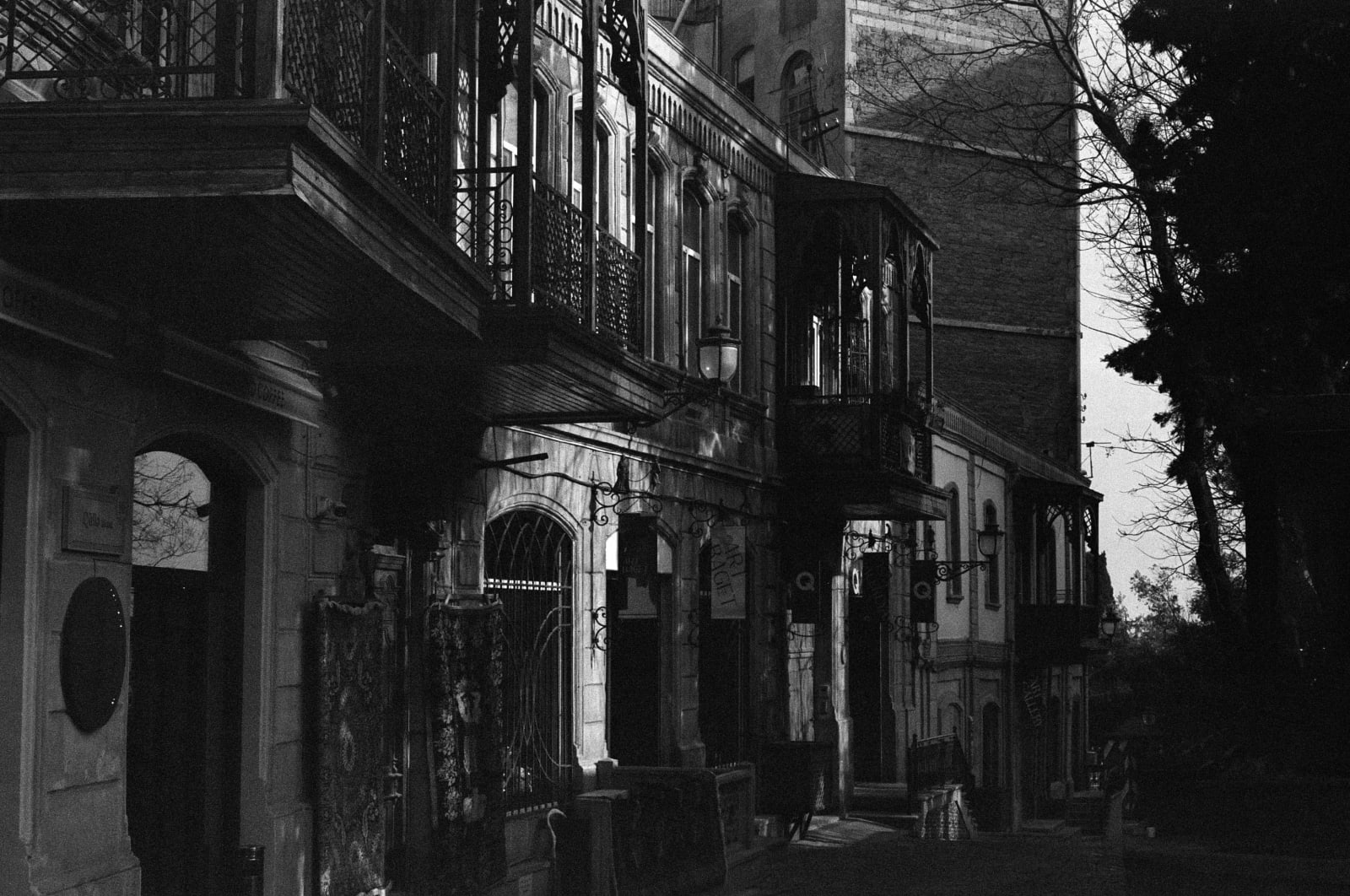
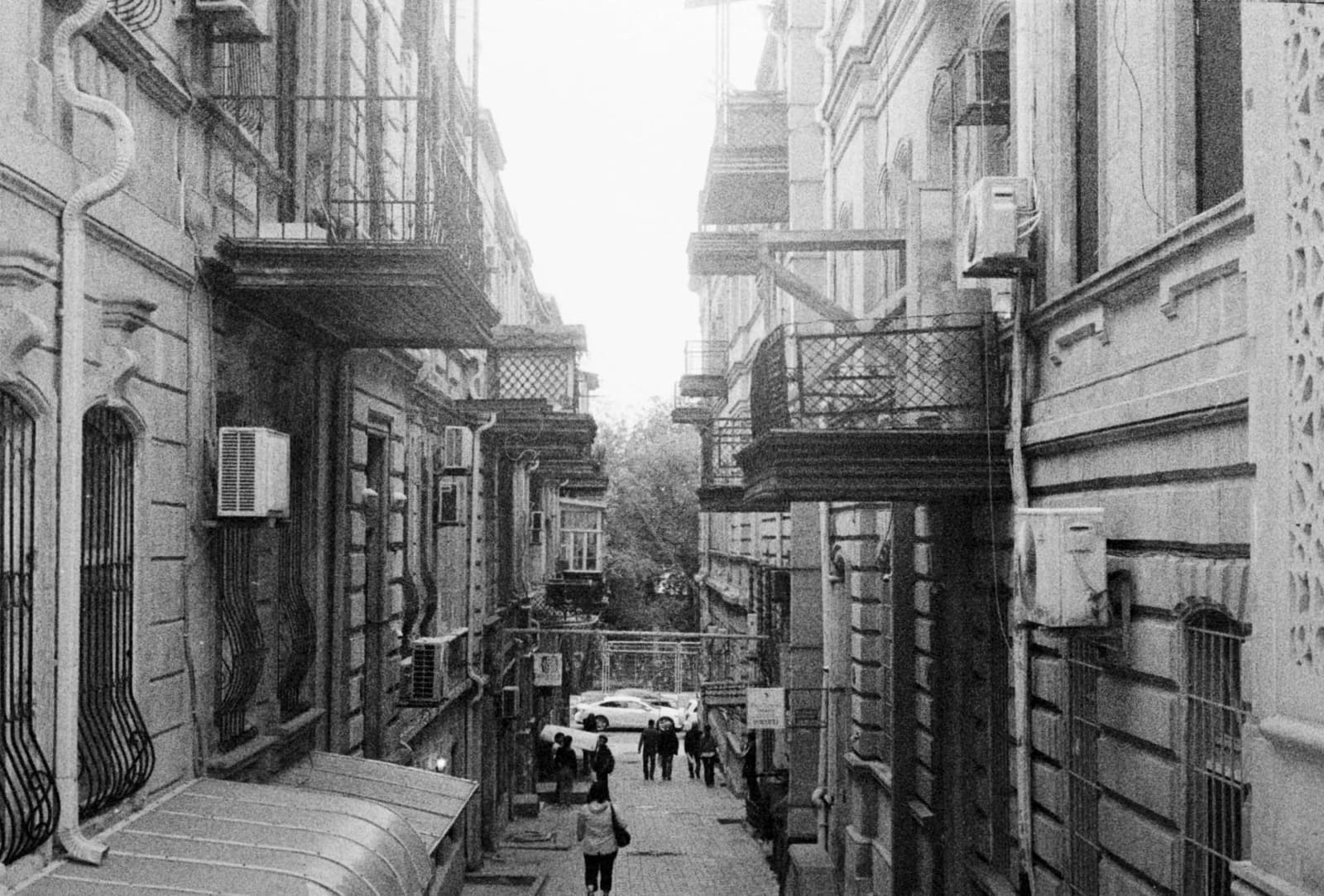
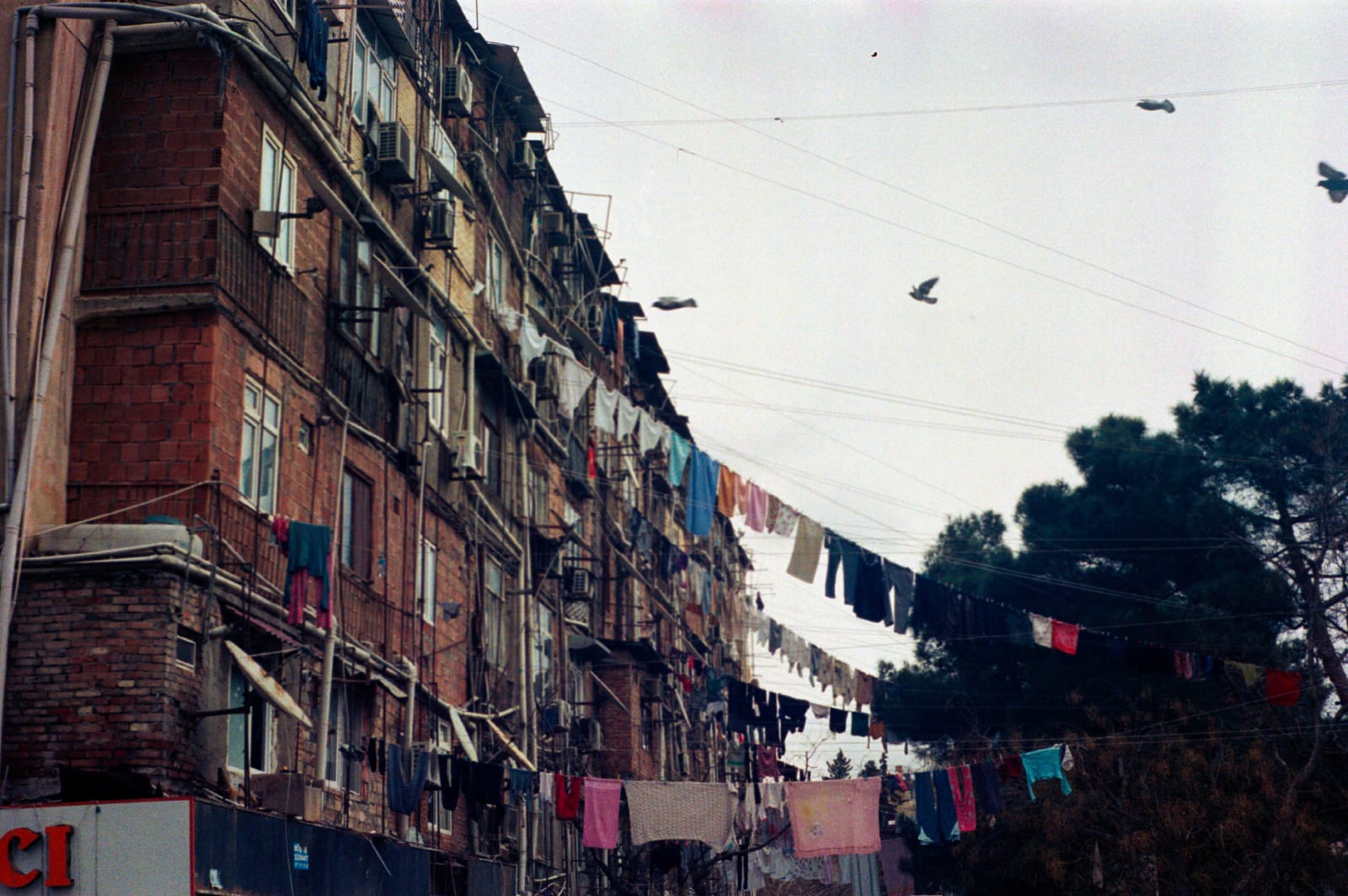
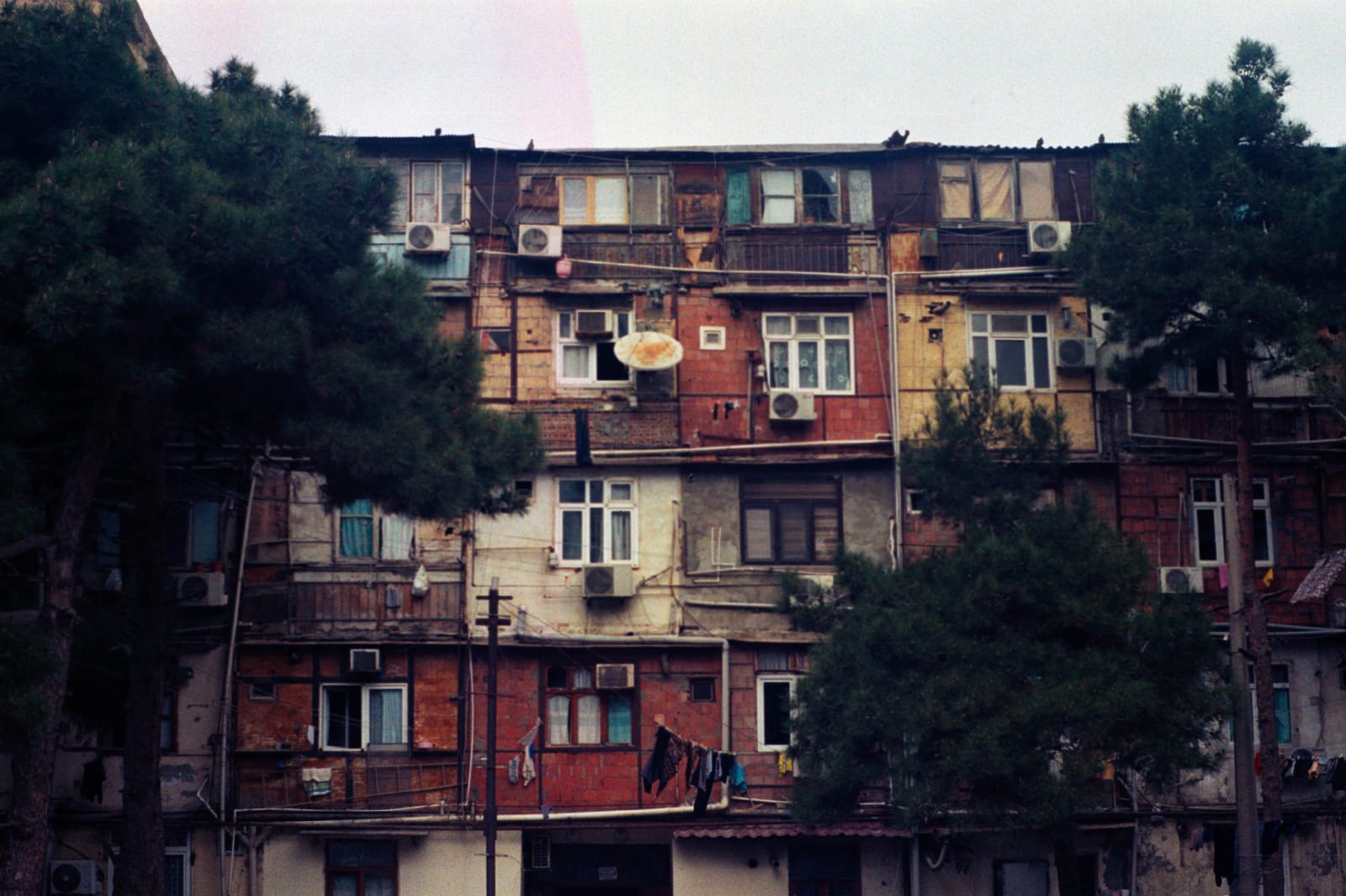
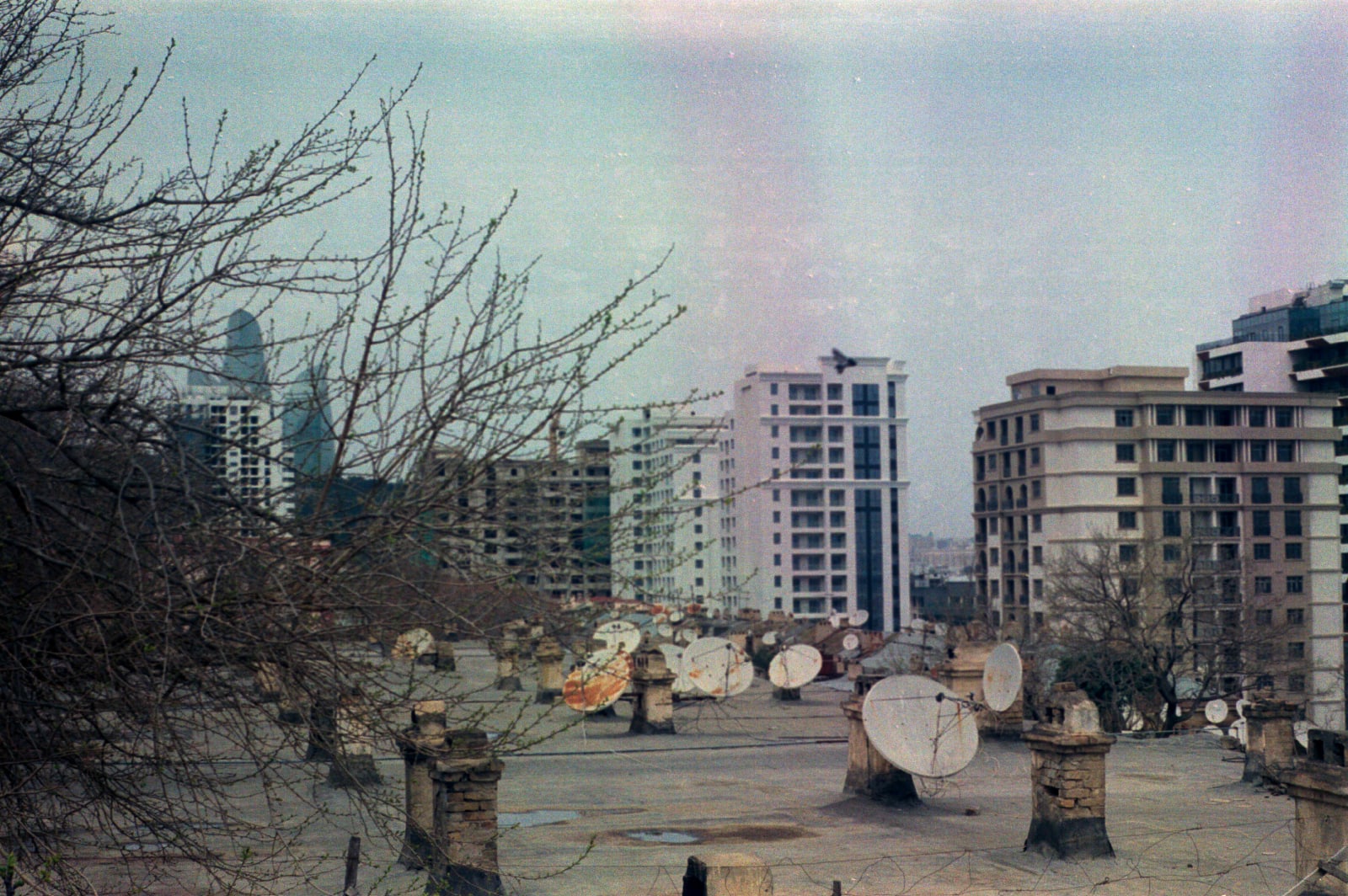
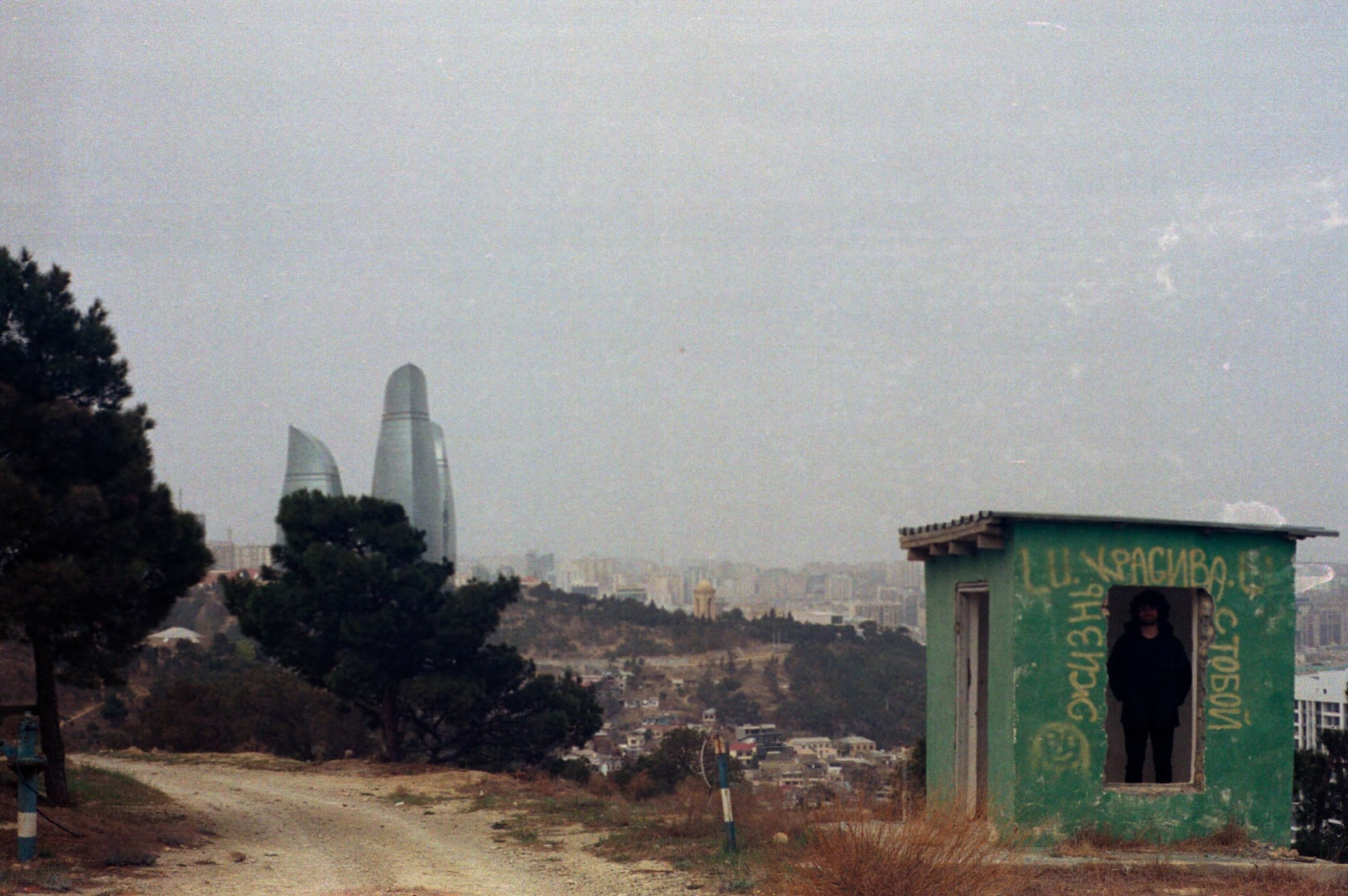
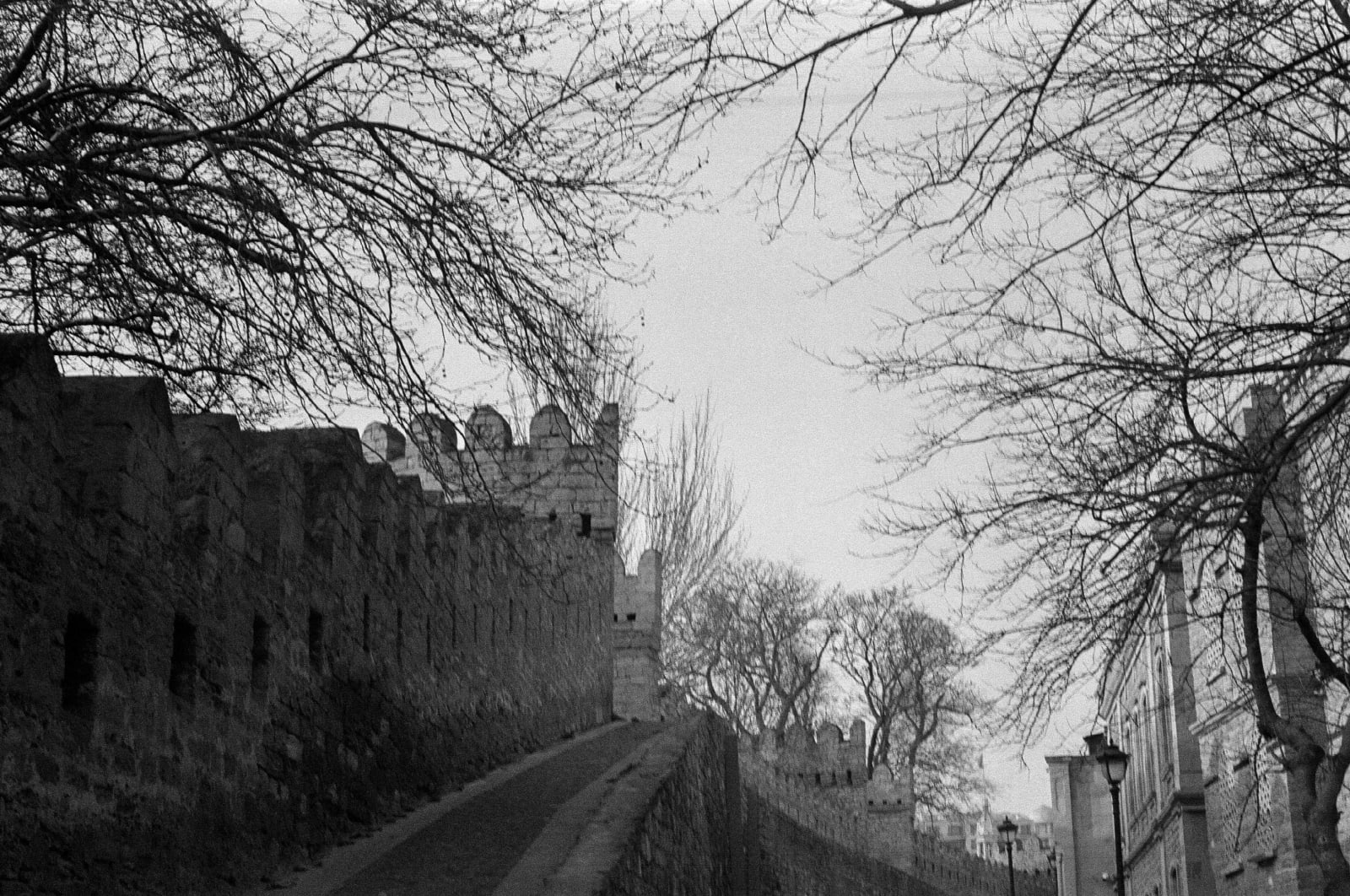
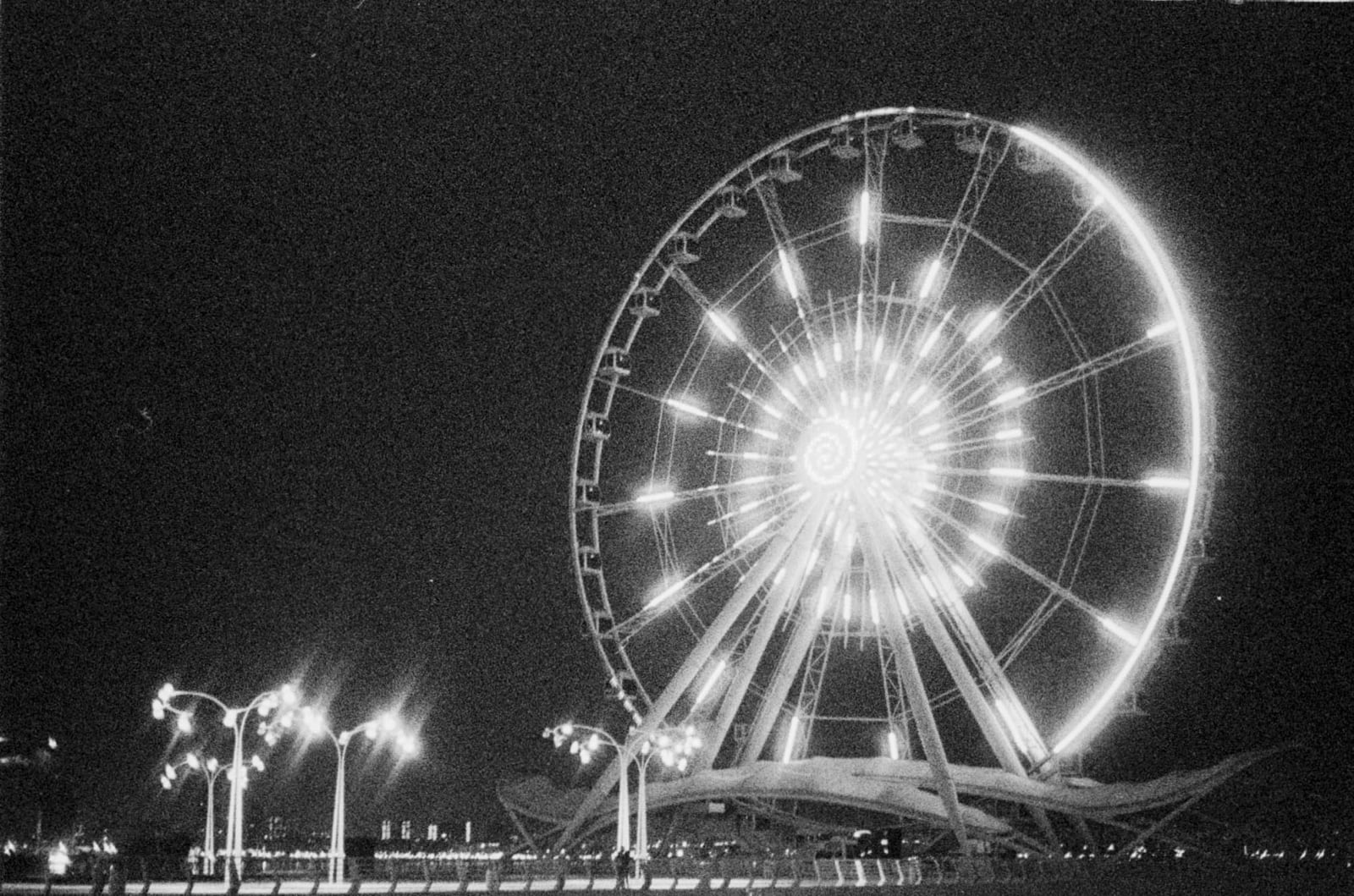
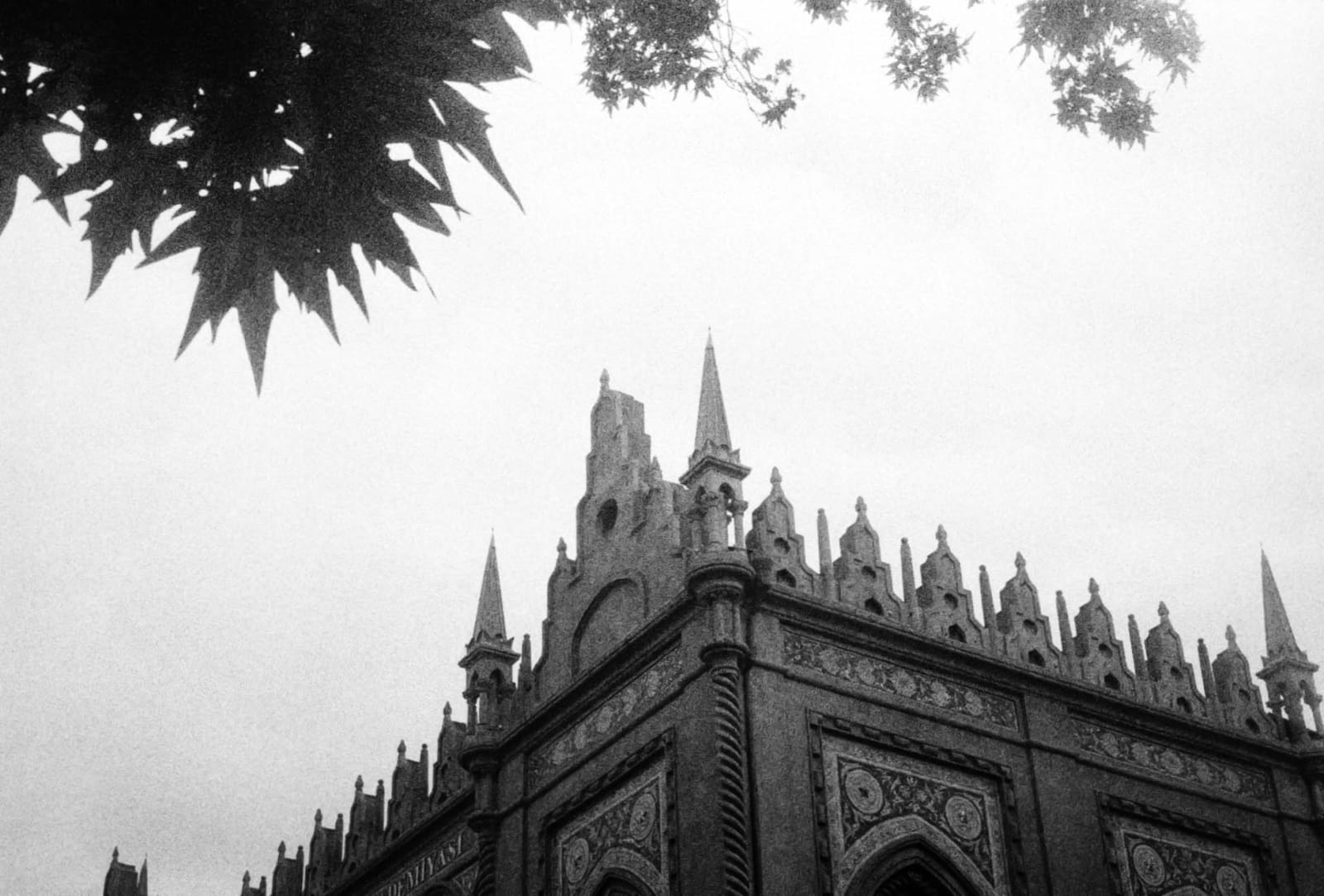
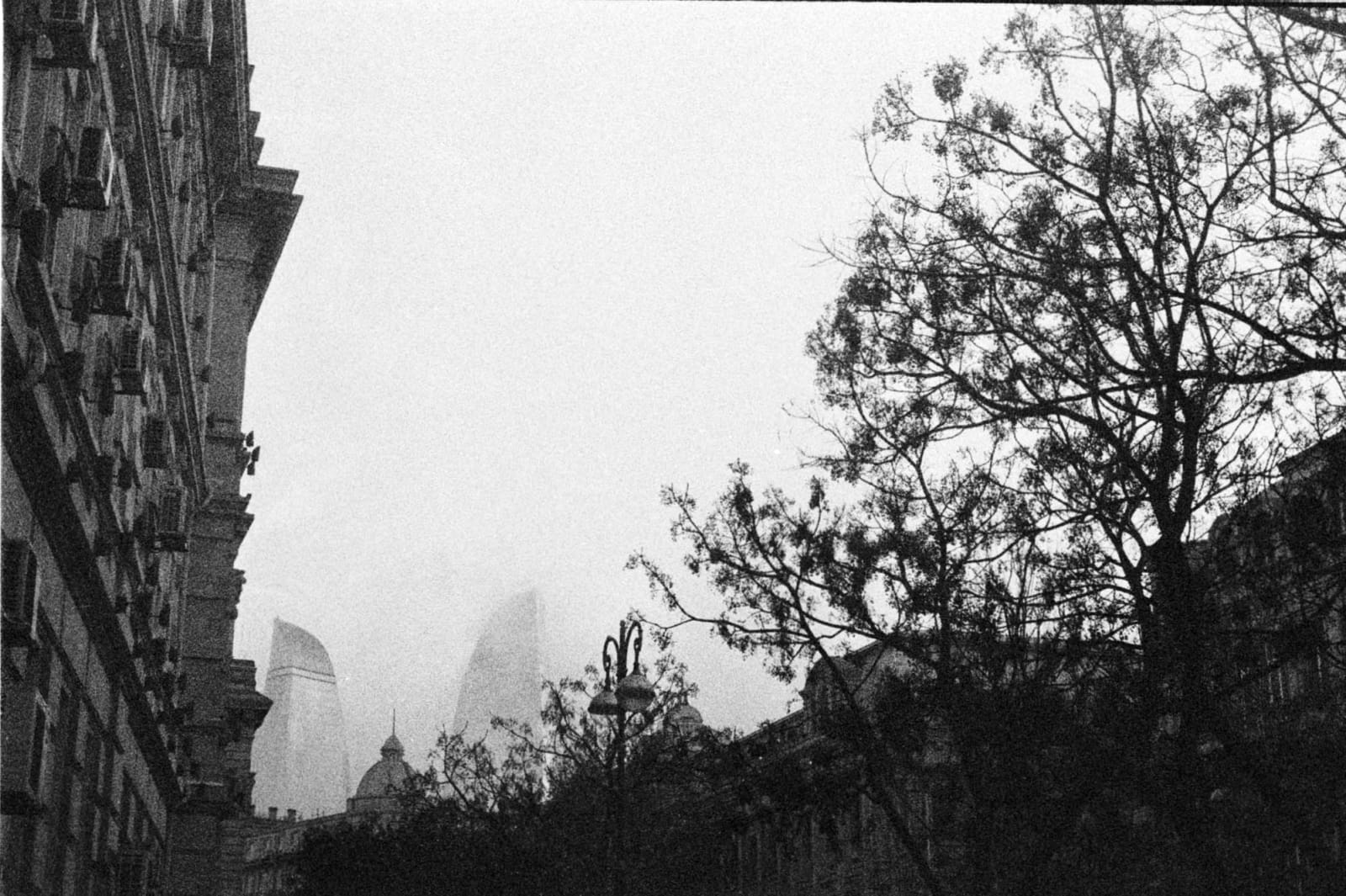
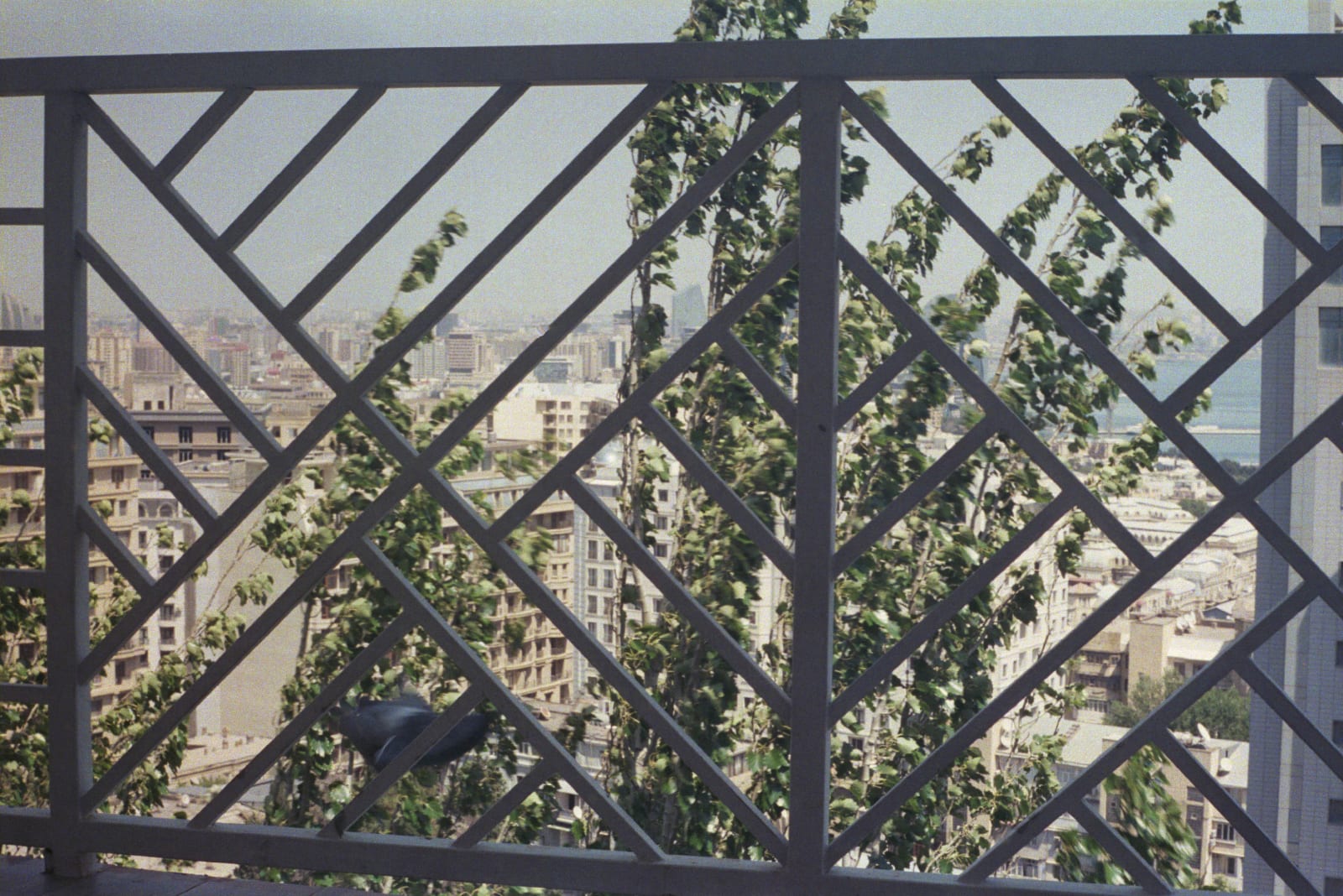
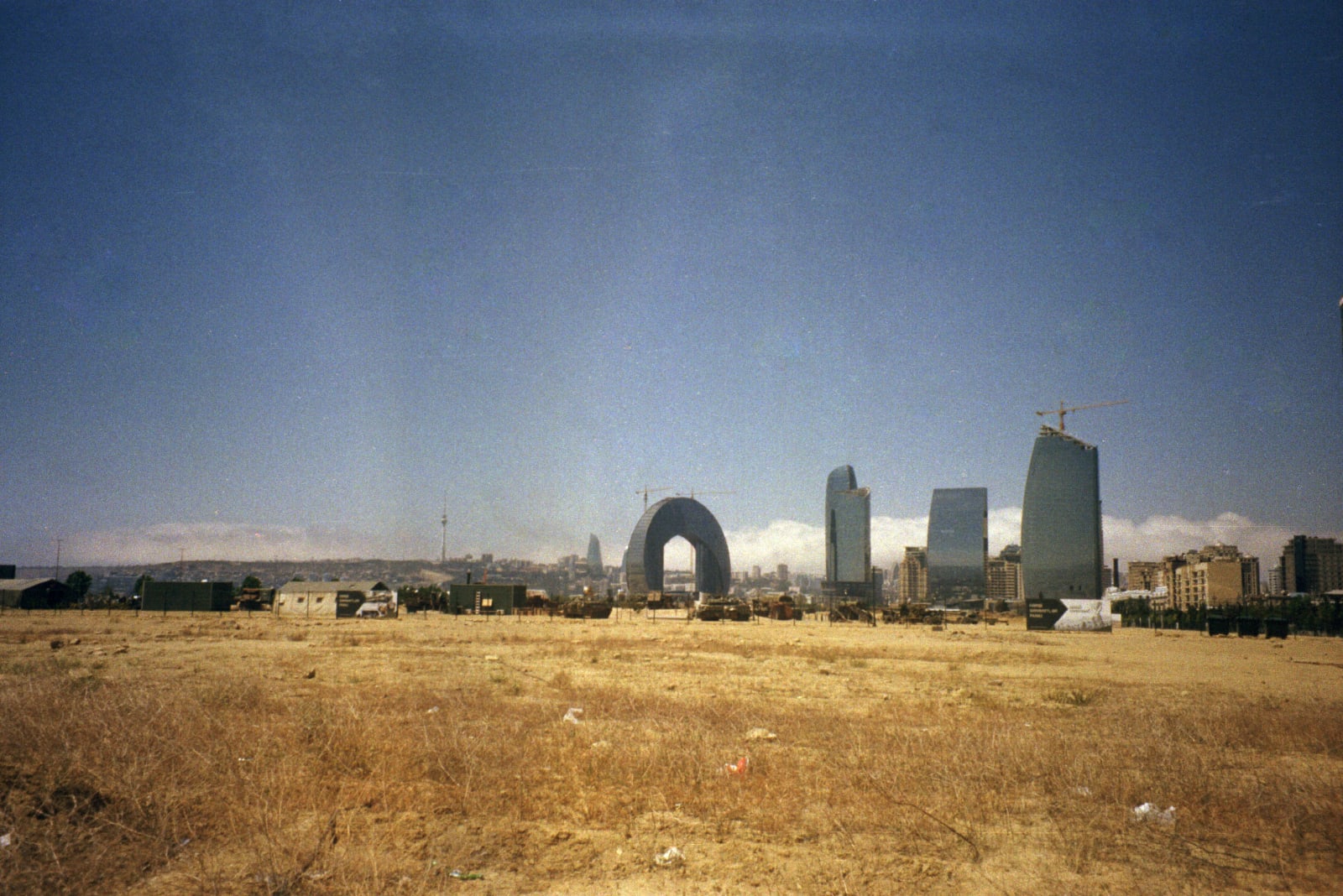
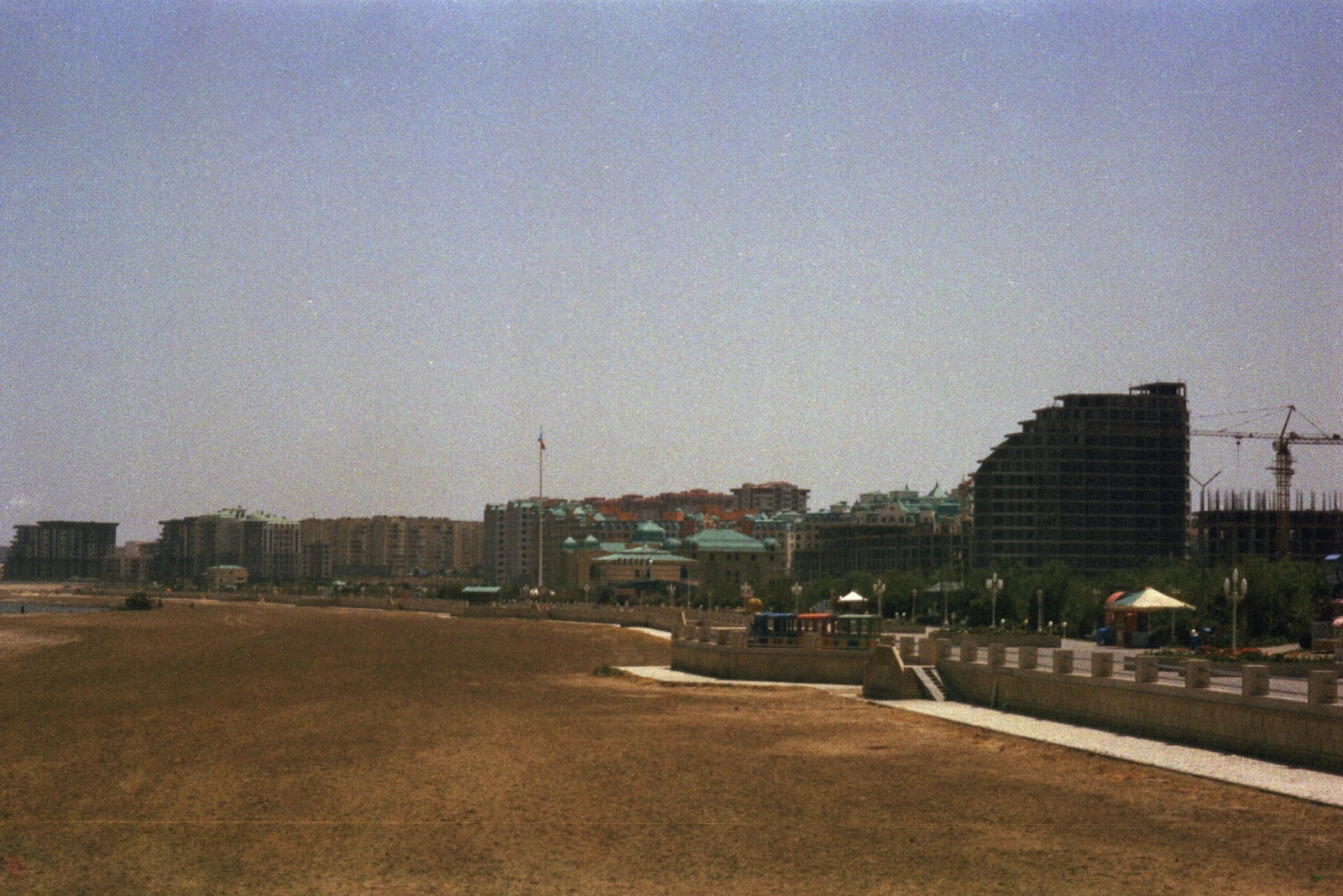
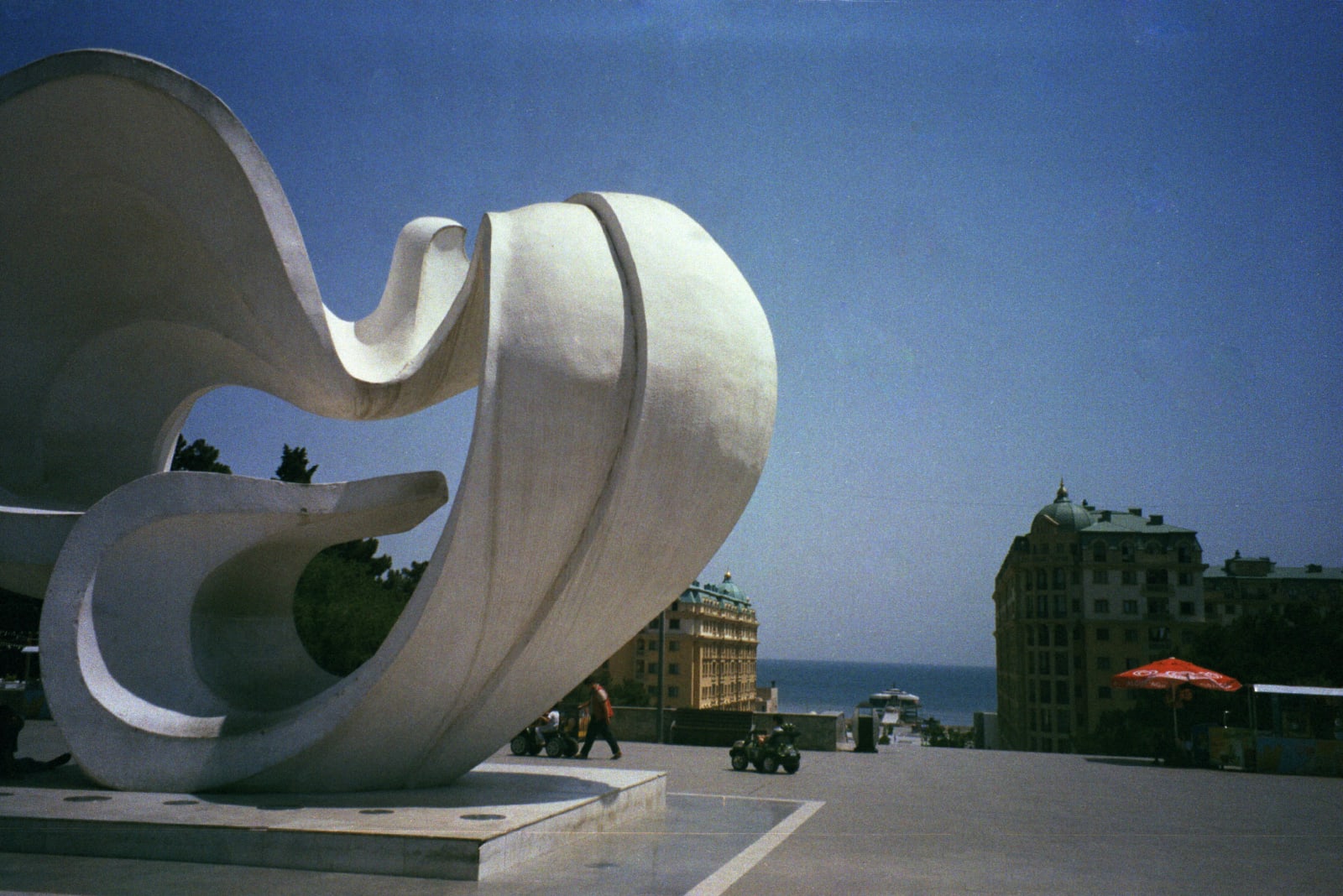
I wanted to visit Baku since high school. It could be because I grew up surrounded by beautiful nature and a picturesque old town made of stone, and Baku offered something different, but still similar enough. The sea was still there, the boats, the big walls of the old town. But this simple city gave birth to many new lavish structures, the Flame Towers, Crystal Hall, Deniz Mall, and so on. Usually, modern architecture gathers around the center, but in Baku, it is nicely scattered so the city can breathe. The icing on the cake is that almost nobody from Croatia goes there, so the feeling of mystery amplifies.



The Dream and the Sea
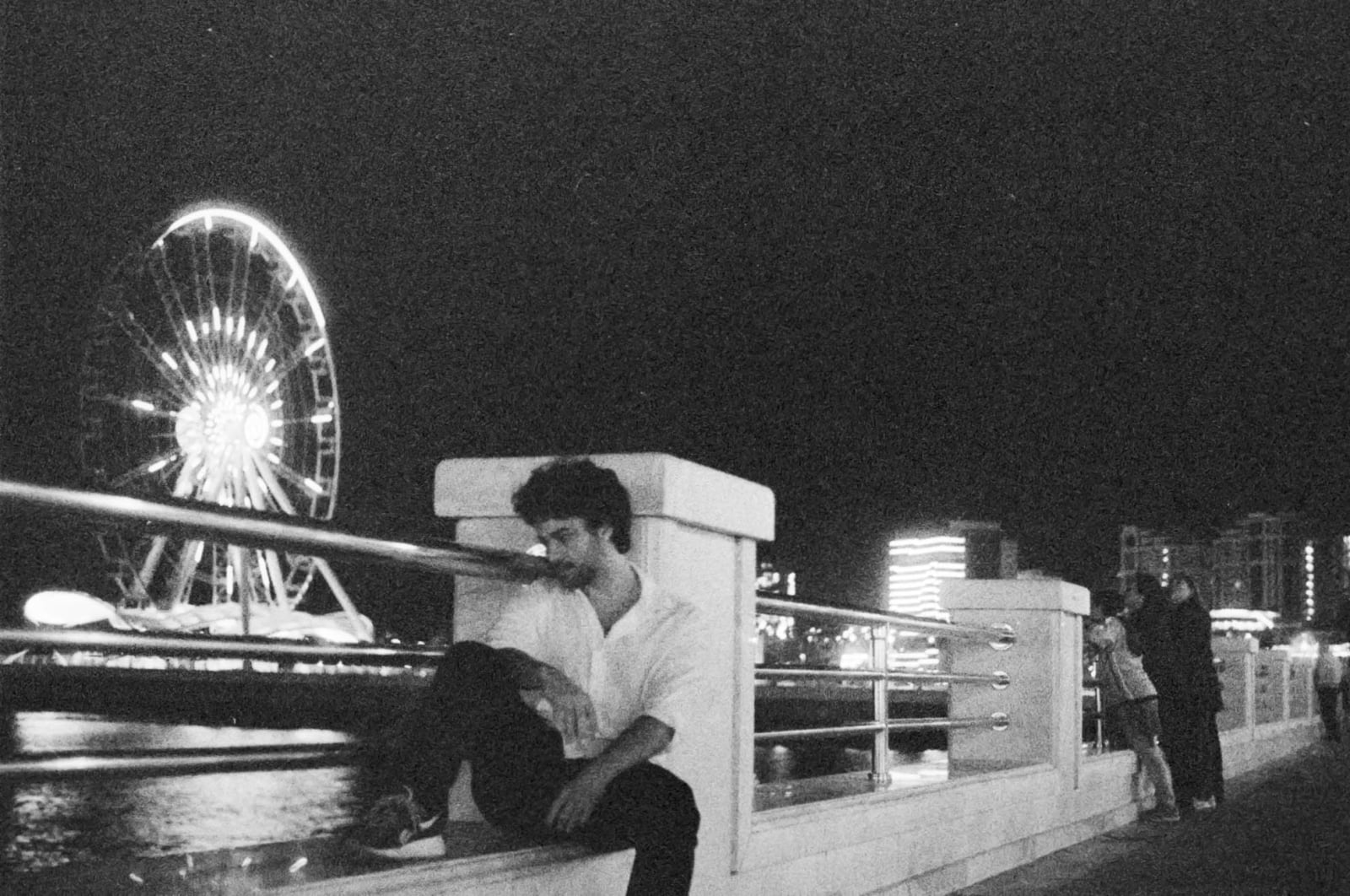
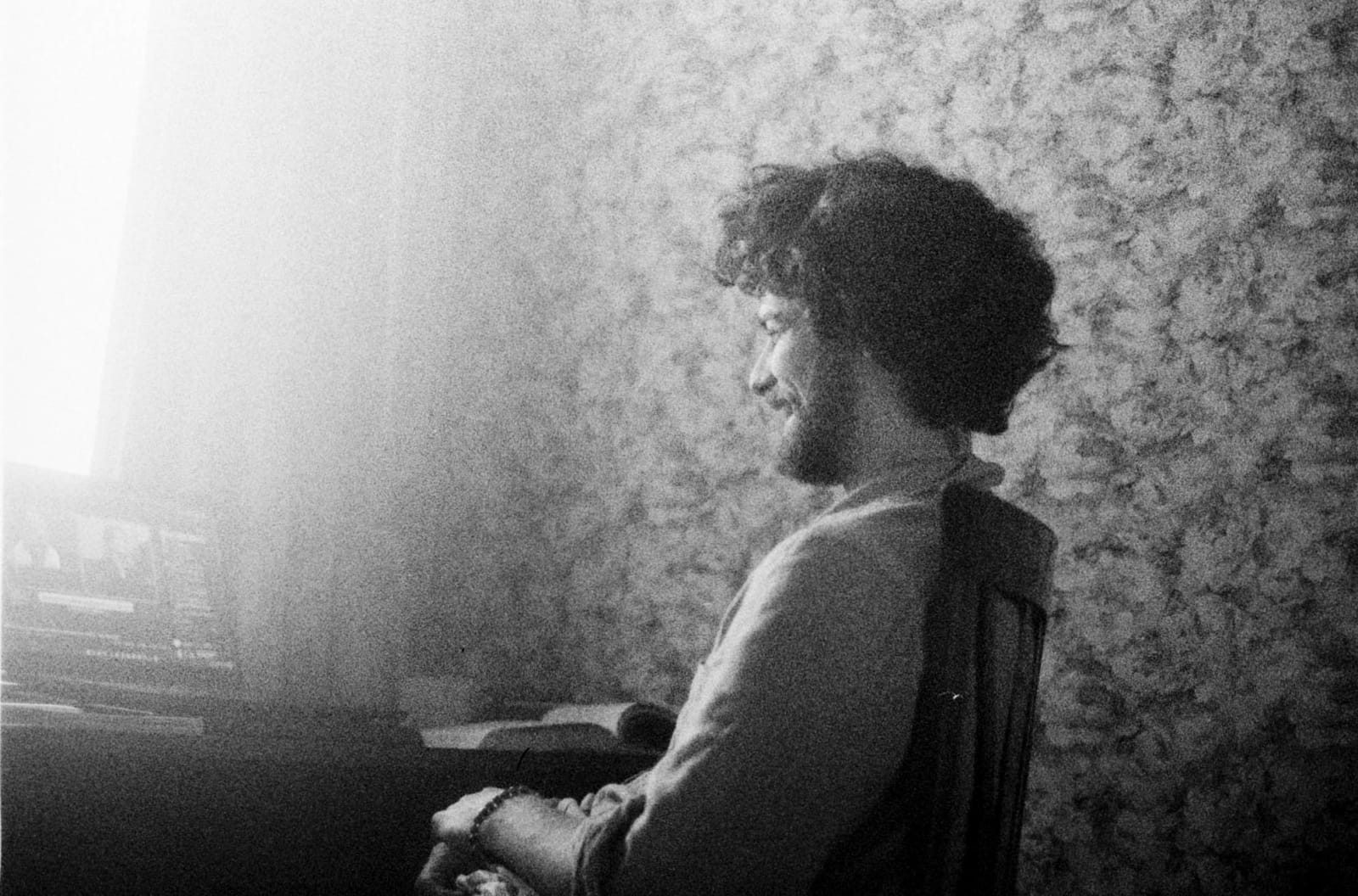
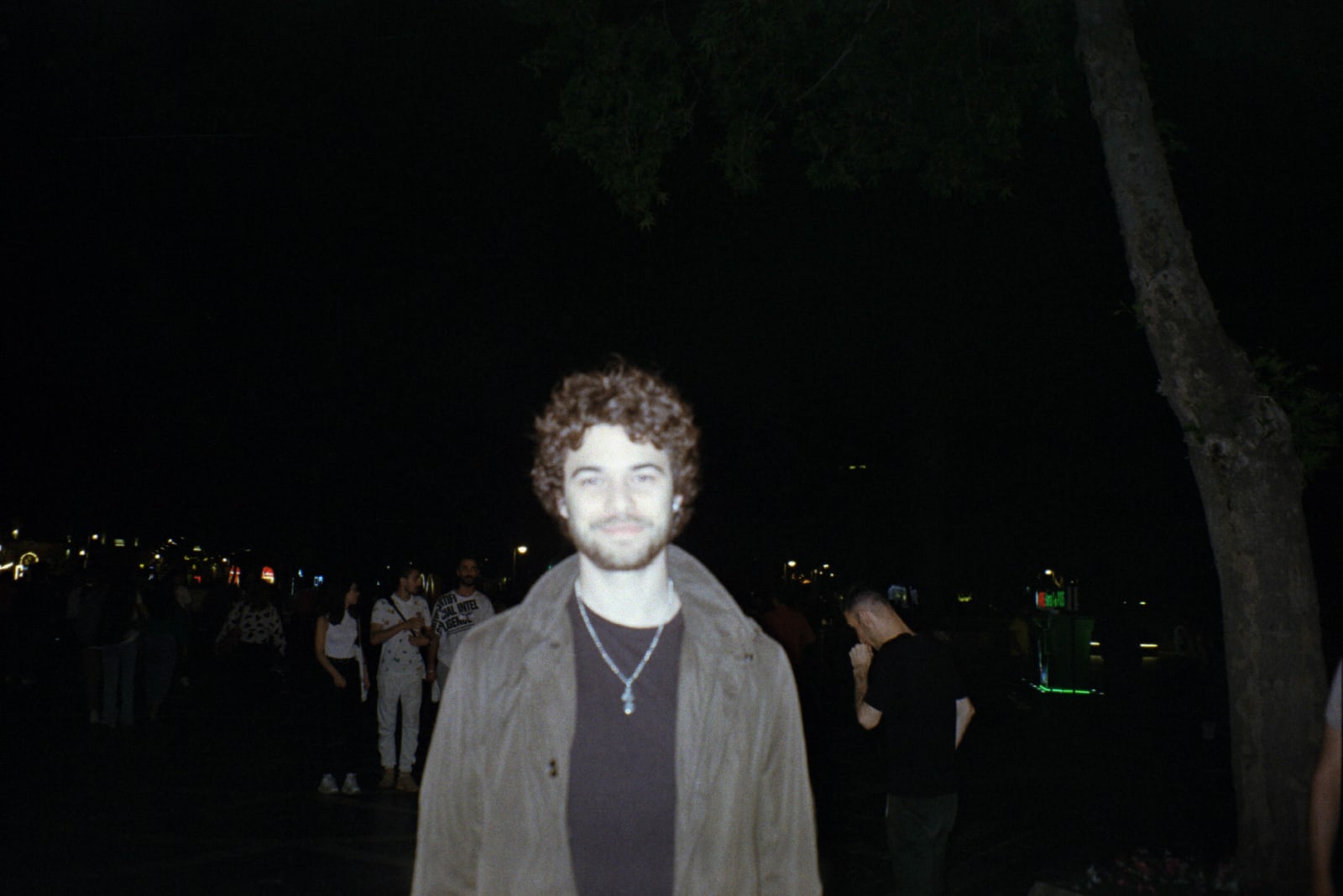
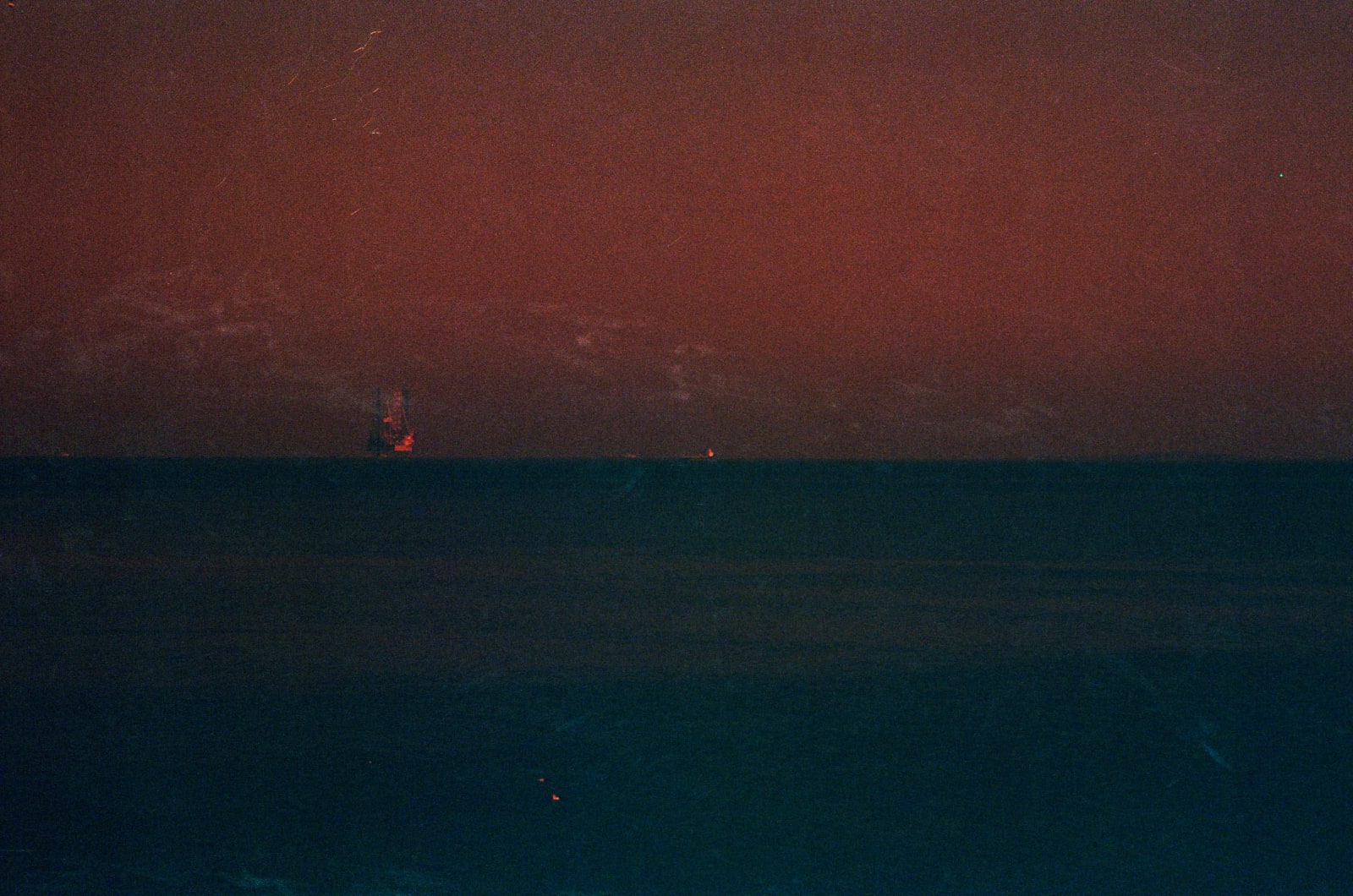
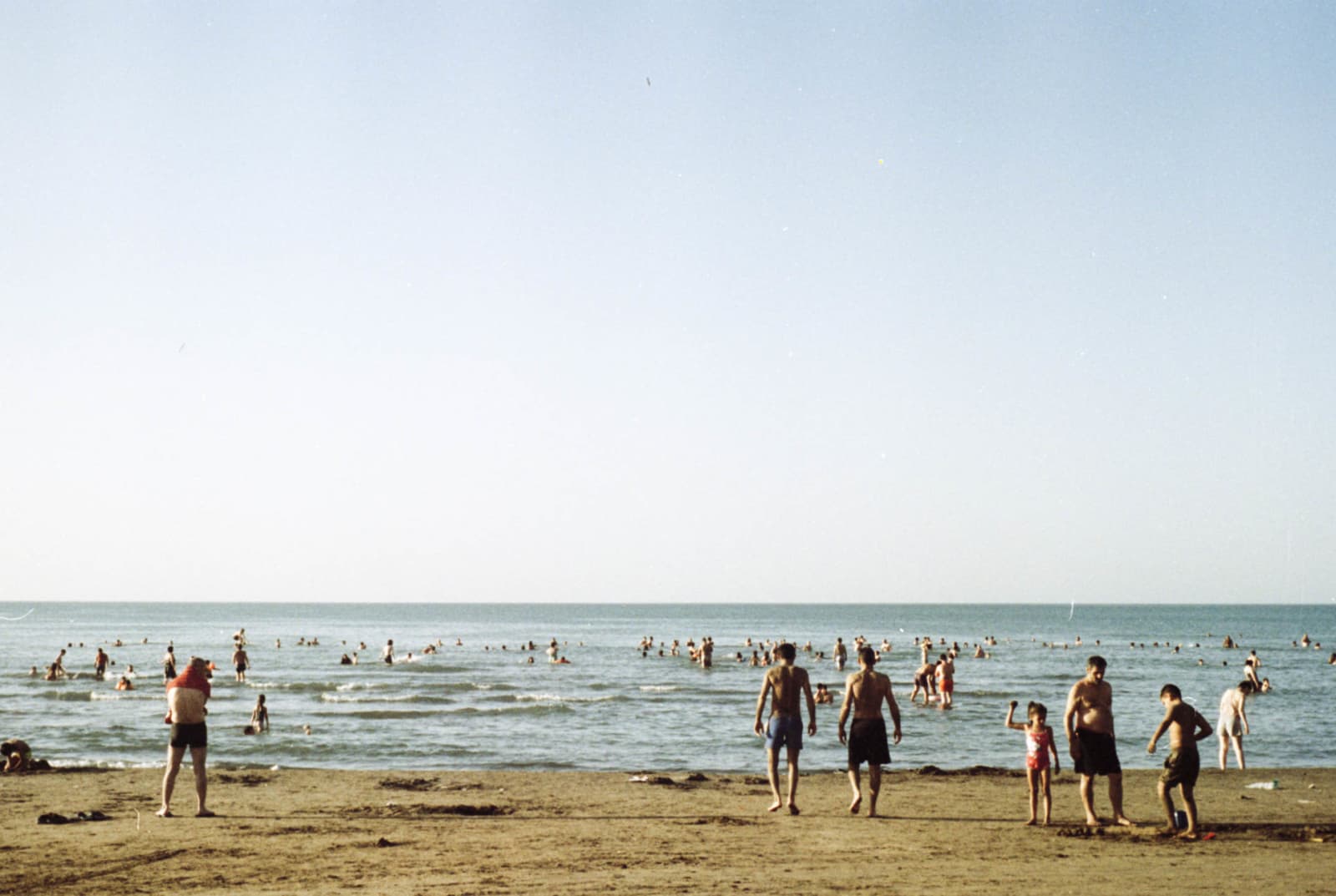
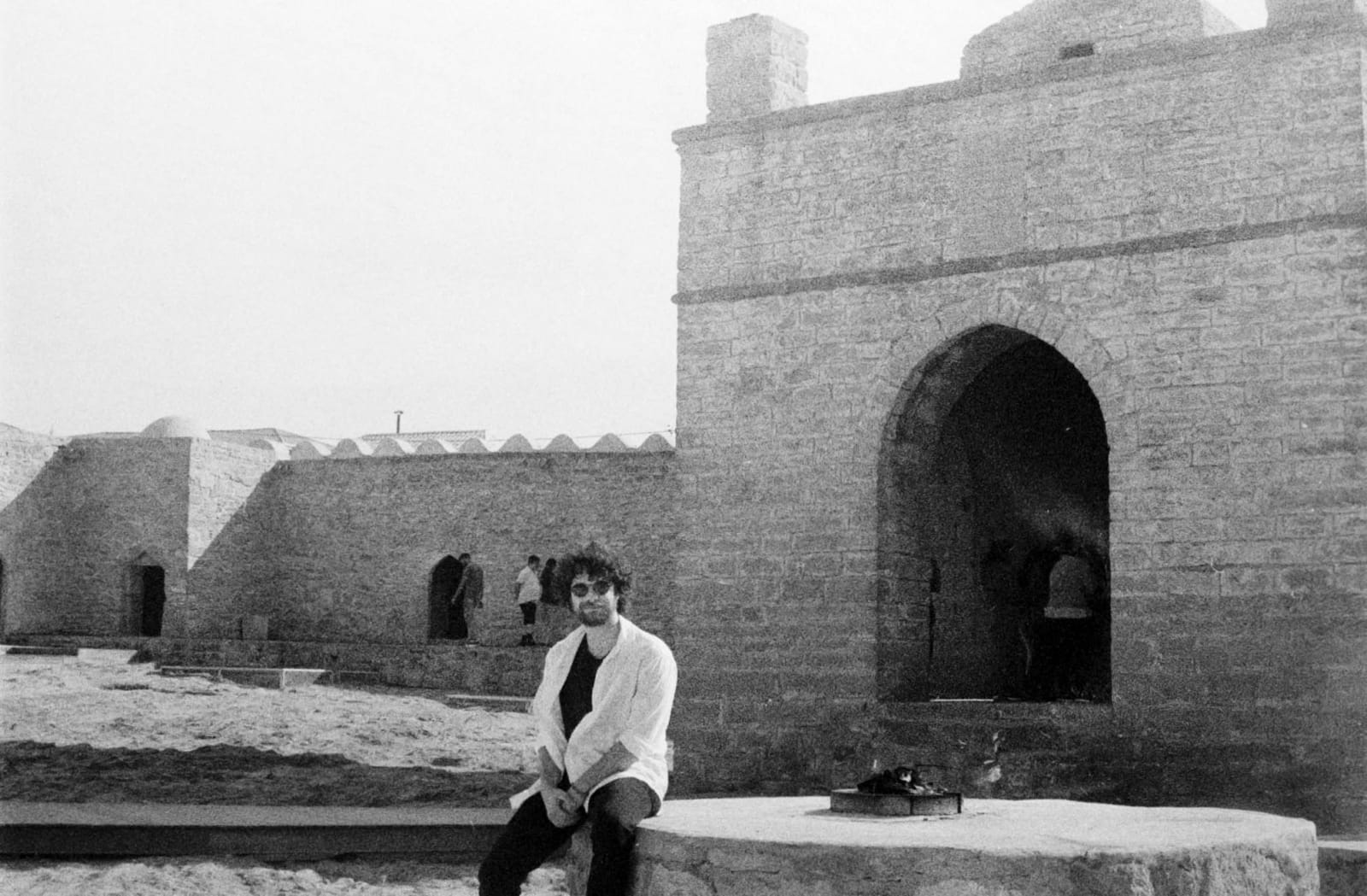
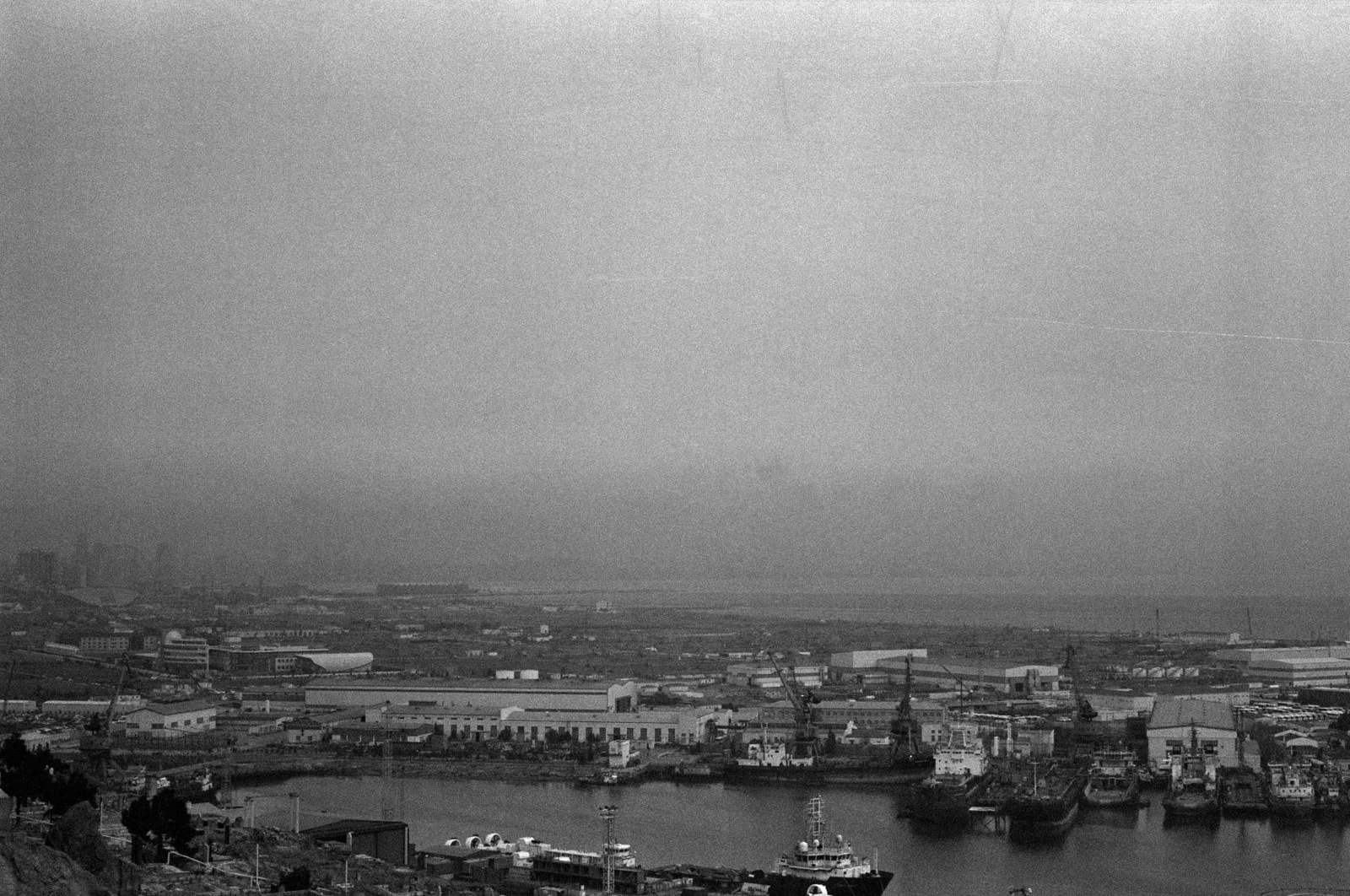
I stayed in Baku for long 7 months. That wasn’t my initial plan, but I fell in love here. I changed 6 apartments while I was here, it was very hectic, but at the time I thought it is worth it. My days were filled with work, and I barely had any time to explore Azerbaijan. But I still managed to have a few adventures. We went to Gobustan, on a trip around Absheron, a peninsula where Baku is located, a trip to the mountains around Quba, and to Sheki.
In Baku, I formed a lot as a person, but there was also a lot of time I simply lost. I was often in a state where I didn’t know what to do, to leave, or to stay. I had many dreams that couldn’t be fulfilled if I stayed in a relationship, and yet, I was happy there with her. The story of me and Baku is a very simple tale. Tale of romance, regret, and later on, a lot of guilt. I was in love, but I was hiding my doubts, I loved my time in Baku, but when you carry a mask, it was never you who actually lived through all of those experiences. Looking back, there are a lot of holes in my memory that could have been filled with pain, and lessons, but I decided to erase them at that moment. The pain came after when I realized that sweet moments in life don’t come so often, and then I wanted to come back into the embrace of love. But that time was gone, the tale of Baku and I was already written and sealed.
Inspired by this I wrote a little dialogue in the “Sky” section. You can check it out here, it is called “Ending the Story”.



Military Machine
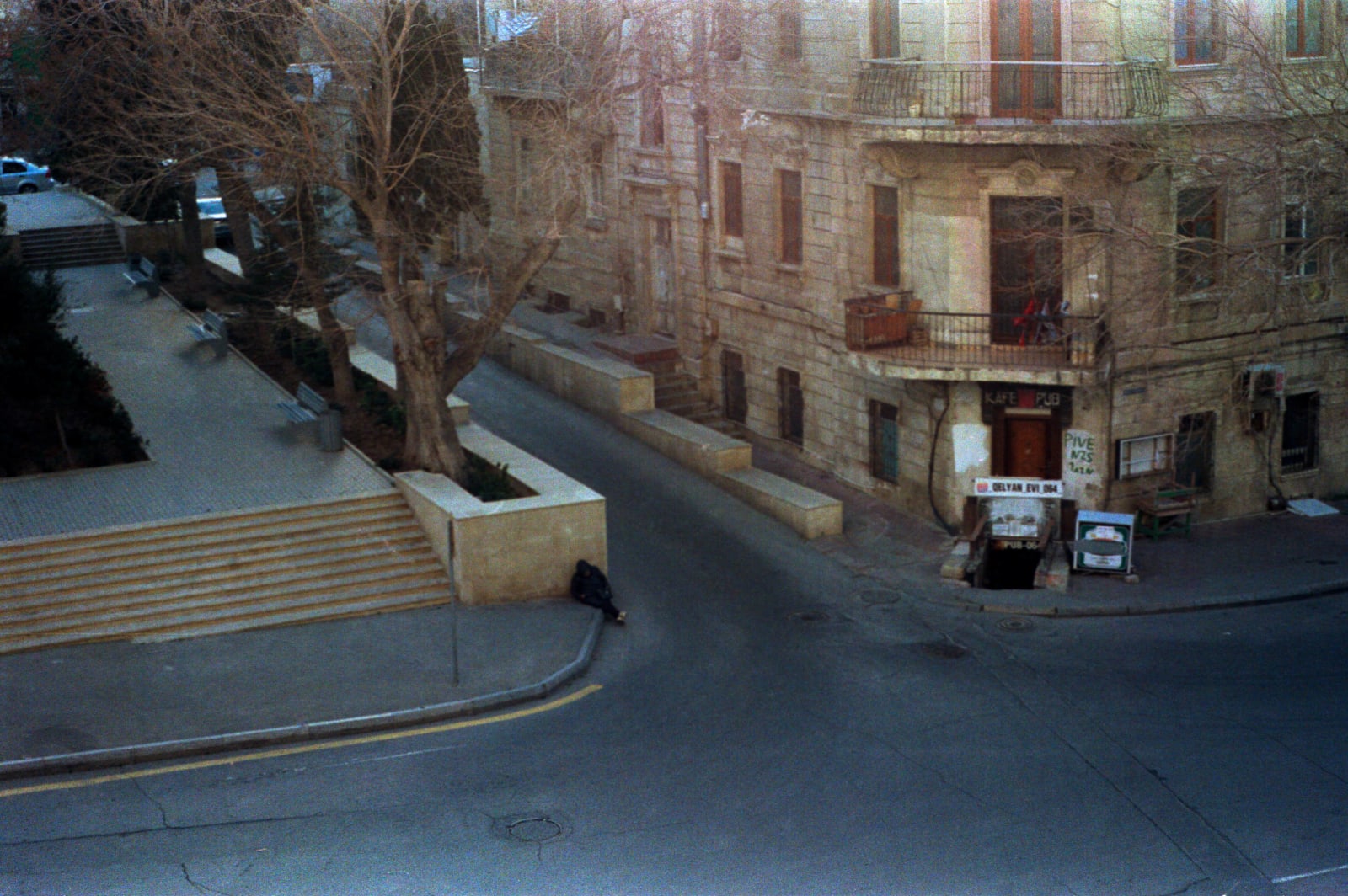
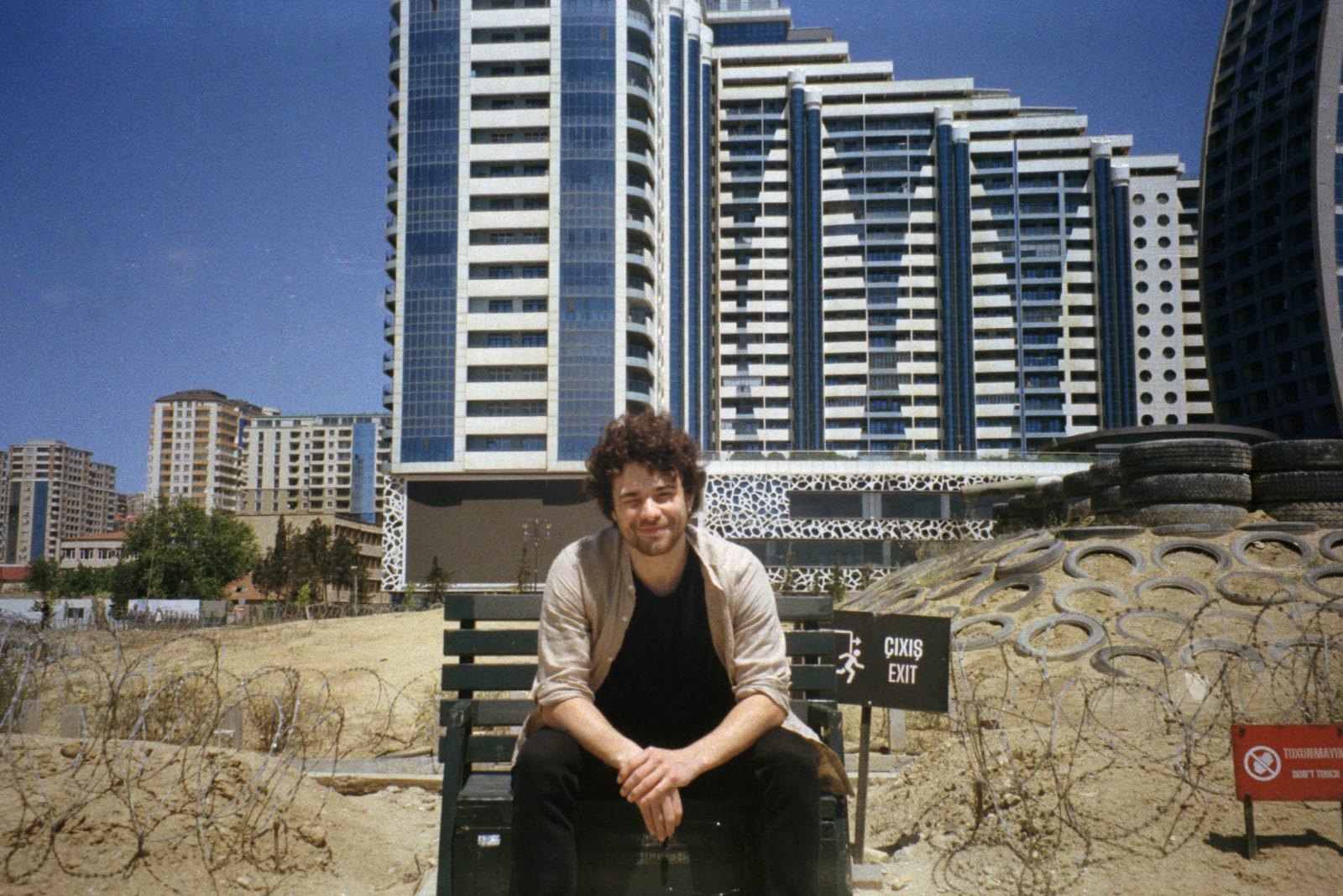
Baku is a strange city. It doesn’t have much culture, it is full of poverty, it is very traditional, and yet there is an aura of modernity around. 30 years ago, Baku suddenly escaped Moscow’s grip, and since then it is using gas and oil money to build the nation and prove itself on the big stage of the world. However, the oligarchy they inherited from the Soviet Union is still strong, so the money rarely drips down to the poorest classes. Just for reference, they don’t have a universal healthcare system, something that almost all ex-soviet nations share.
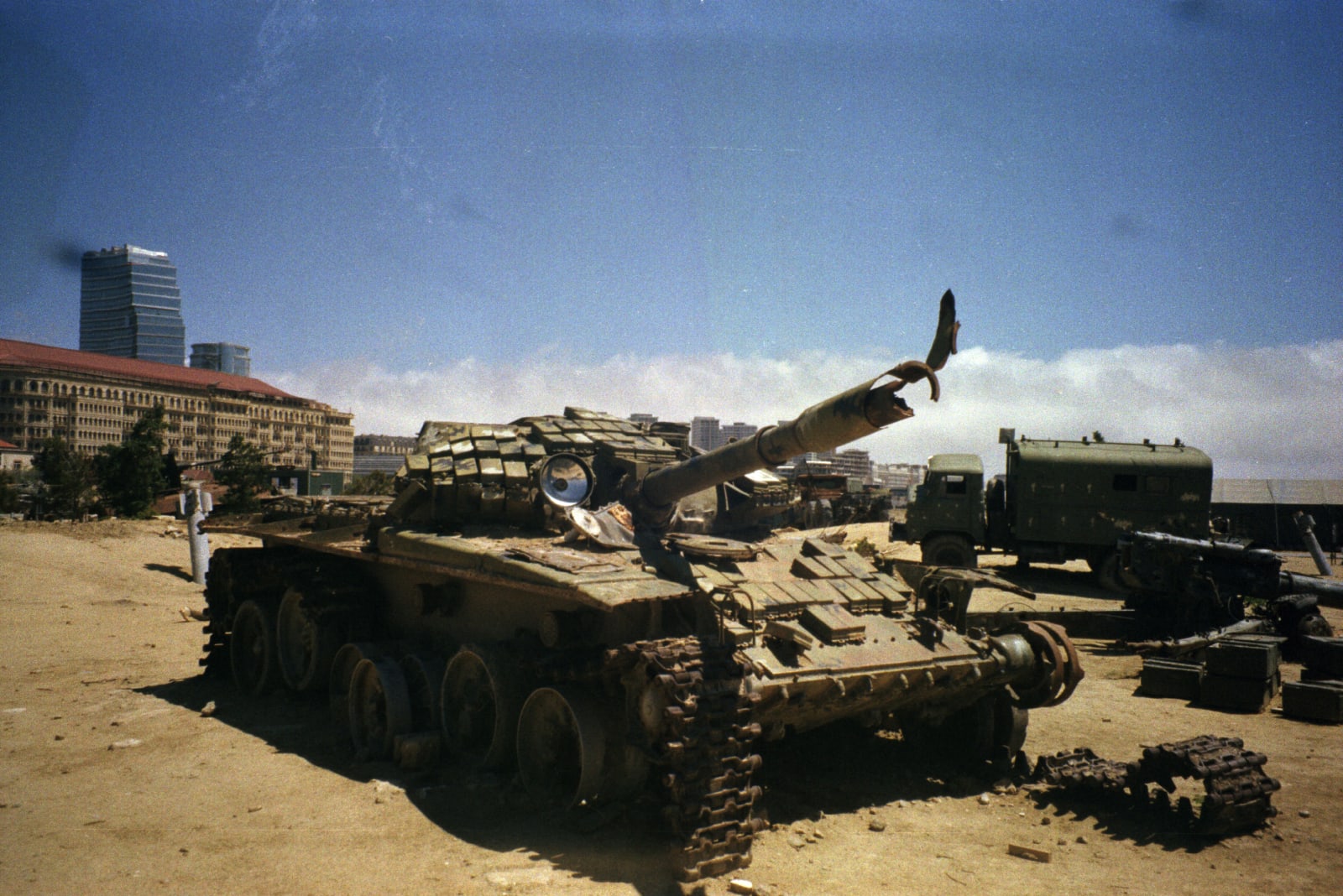
A lot of new countries formed in the 20th century have at least some history to fall back onto, but not Azerbaijan. The first glimpse of their independence happened only a century ago. They aren’t just fighting to improve their country's well-being, but also for their right to exist. Conflicts on the border with Armenia are now permanent, and the government is using them as a tool to control public opinion. Everywhere you go, you will see small signs of their ever-growing military might. Posters, news on TV displaying their victories, exhibitions with new military technology, and so on. A lot of money is invested to maintain a public perception of them as a victorious nation, and their leader as a rightful heir. If you take a walk in Baku, or anywhere in Azerbaijan, you will see the faces of two men above anything else, Heydar Aliyev, and Ilham Aliyev. Heydar was the big boss at the time of independence, and he ruled over the country as a dictator. After he died, his son Ilham inherited the role. It is enough to say that his wife Mehriban is vice-president of the country.



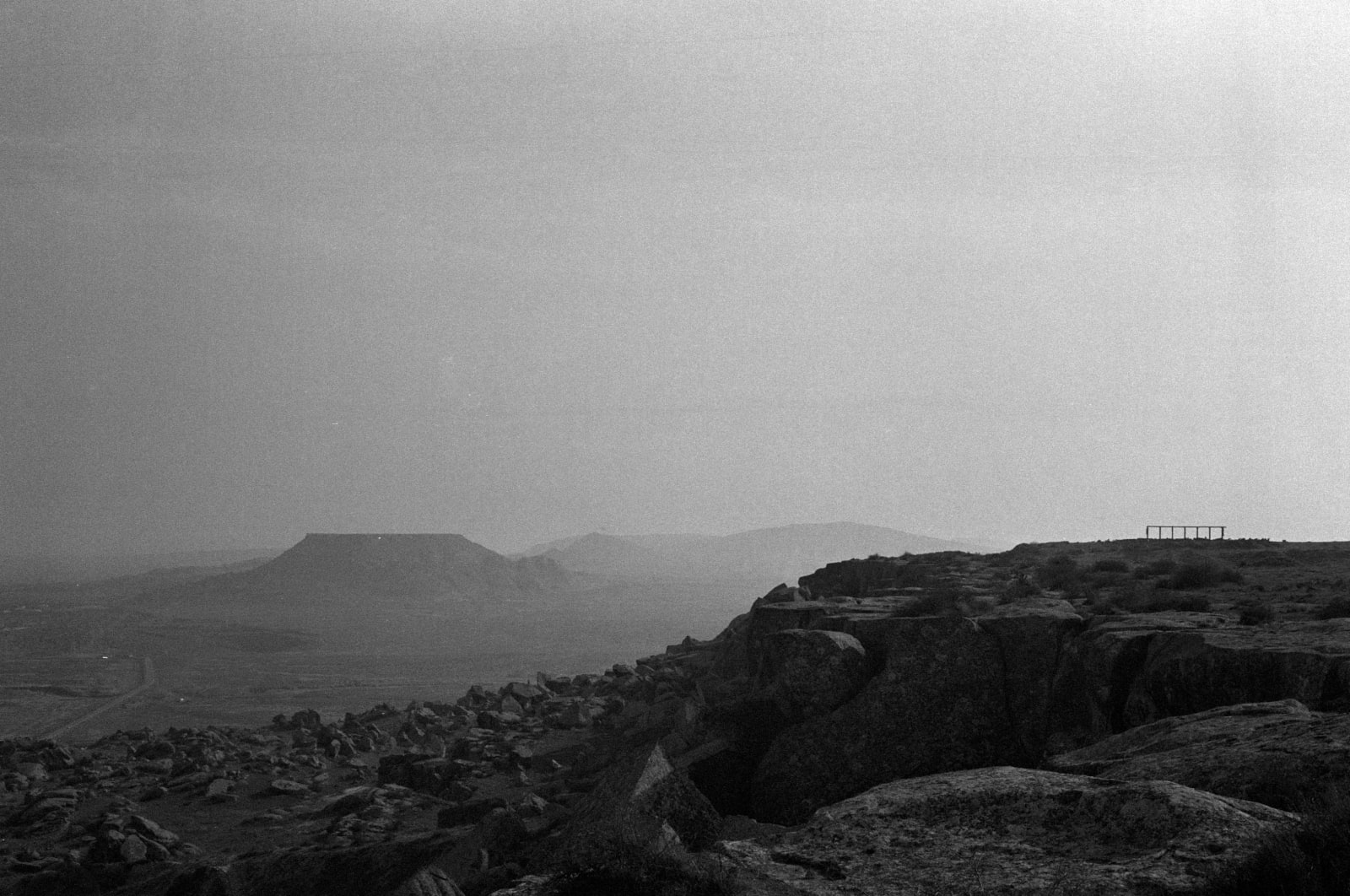
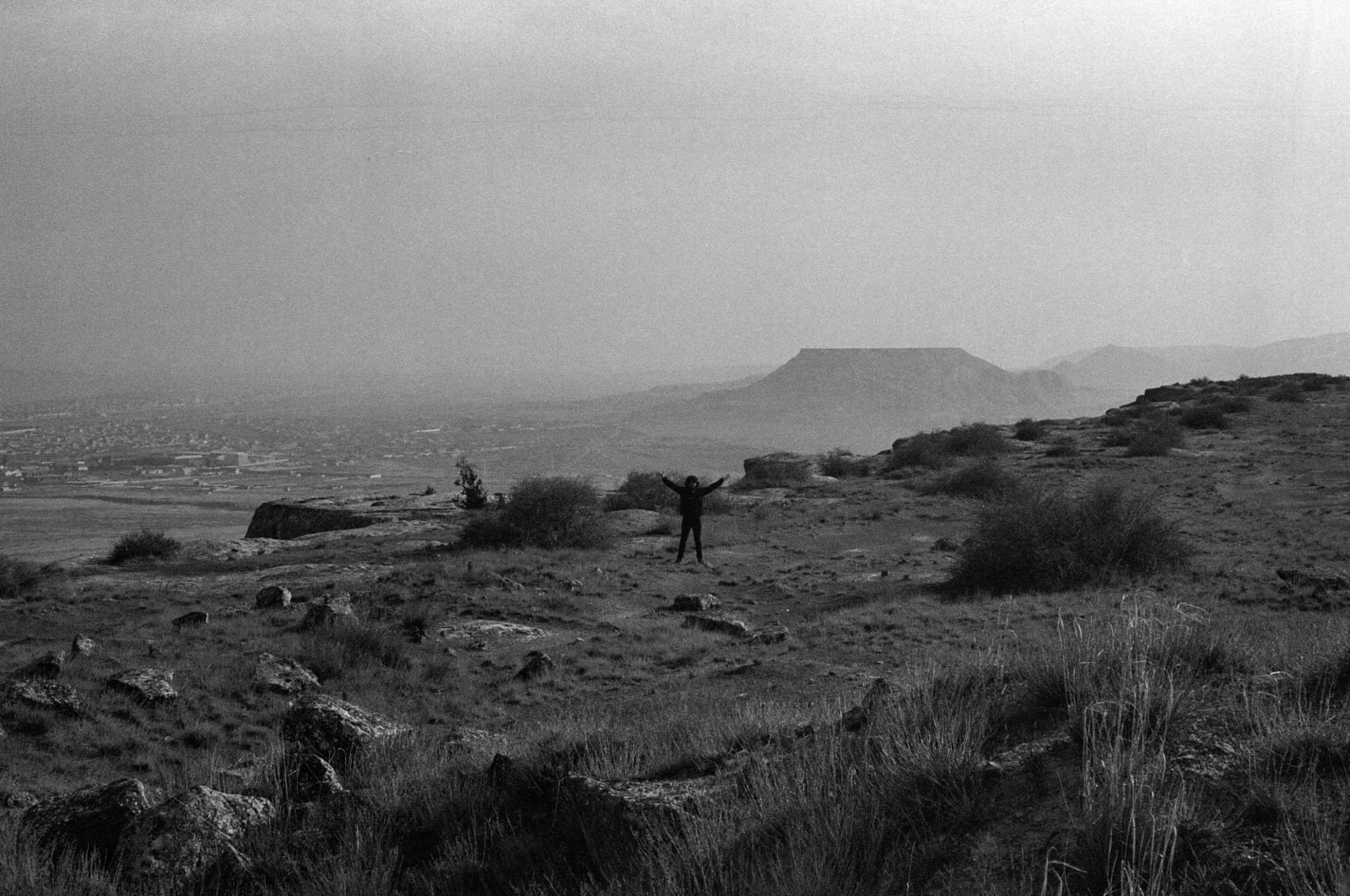
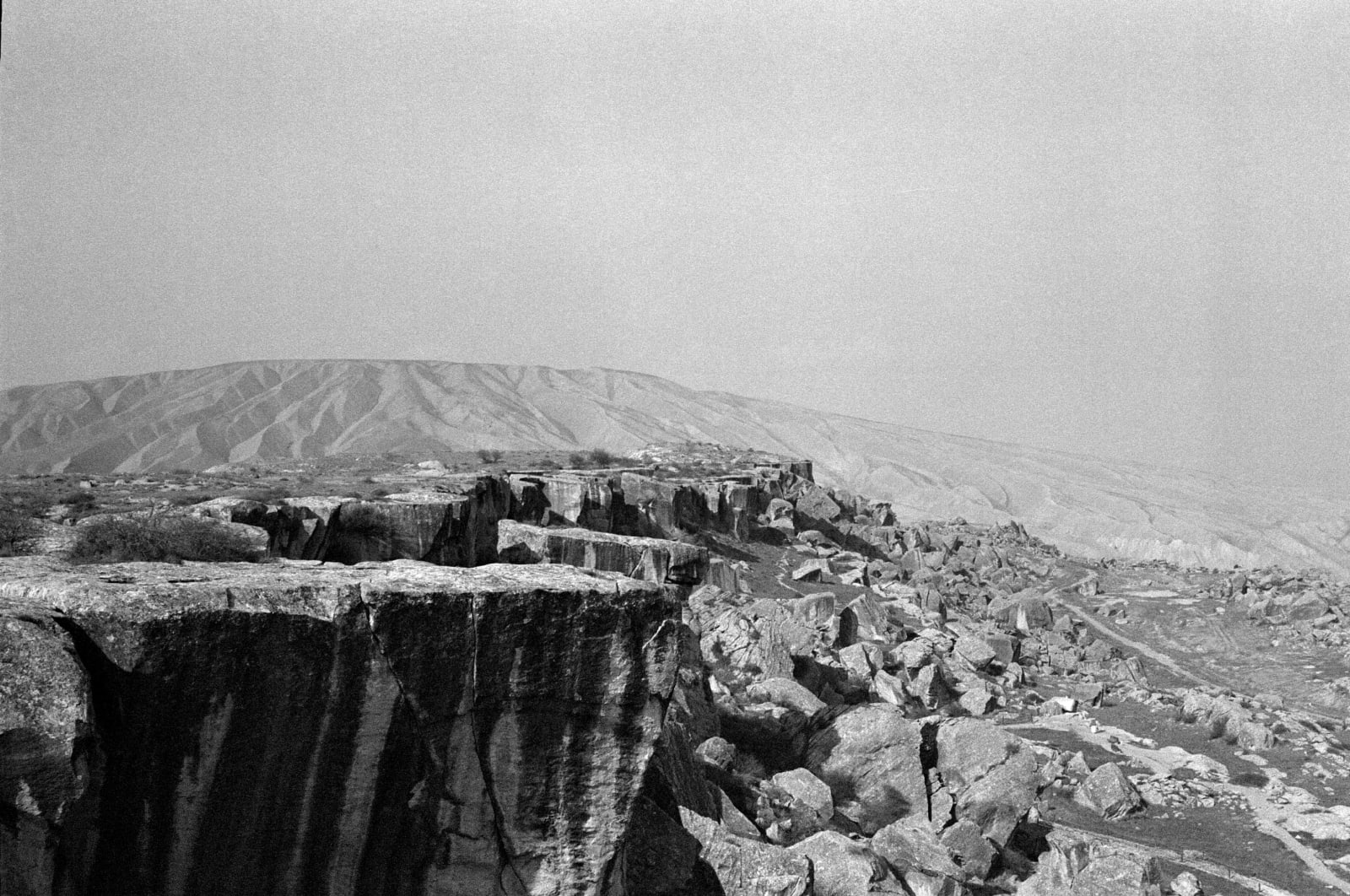
Gobustan
I already wrote a little bit about our experience in Gobustan in a previous post.
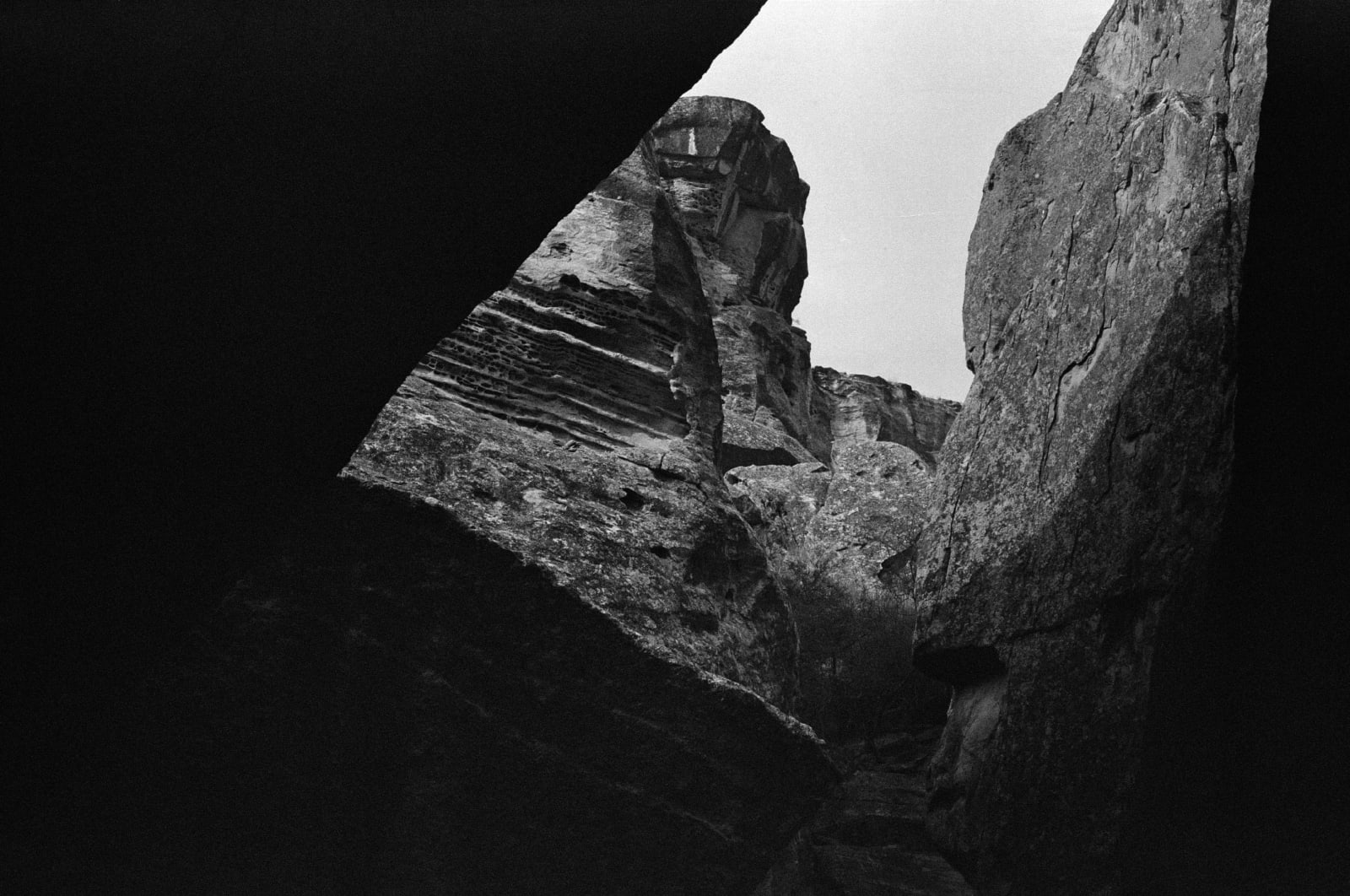
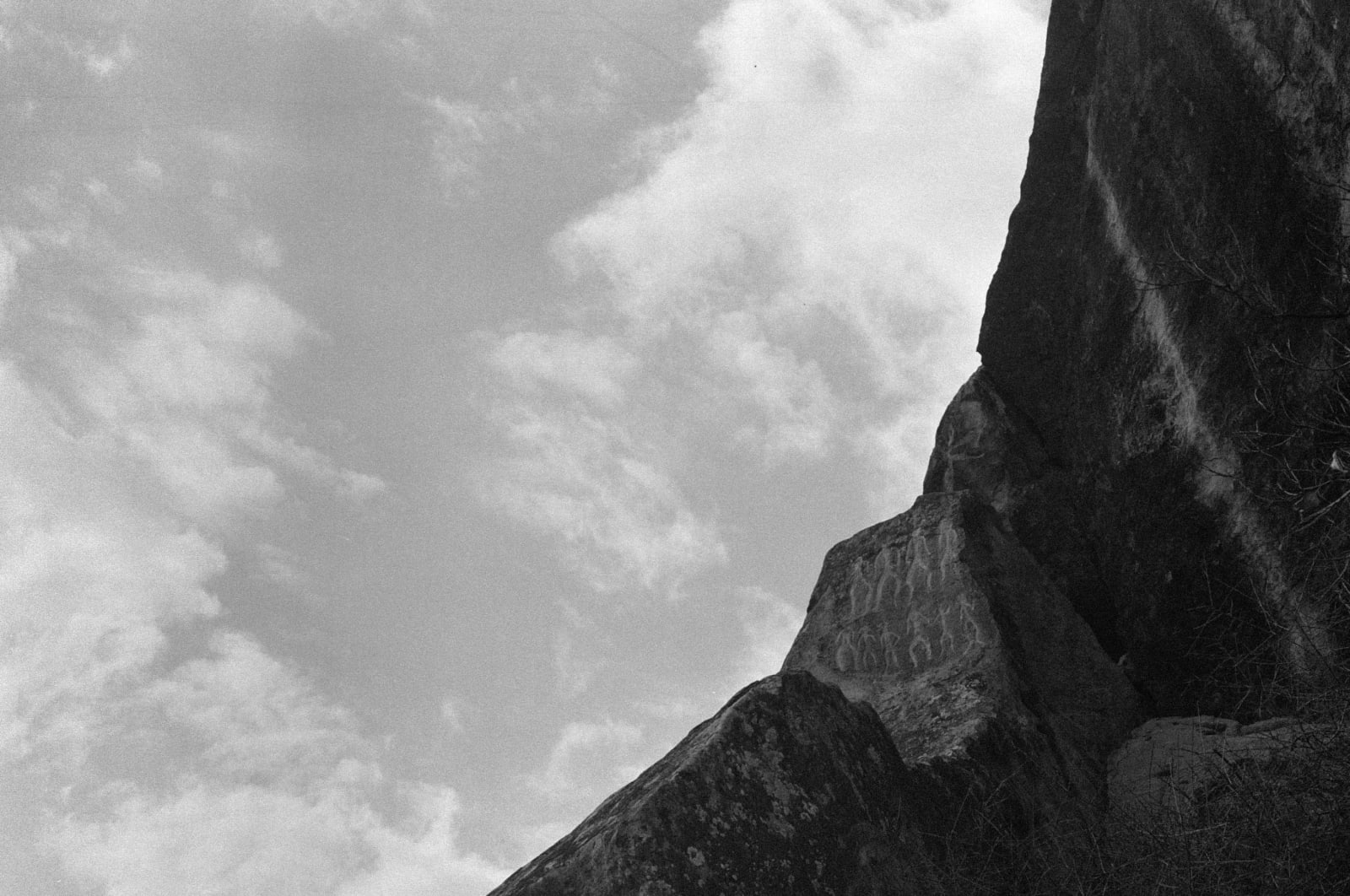
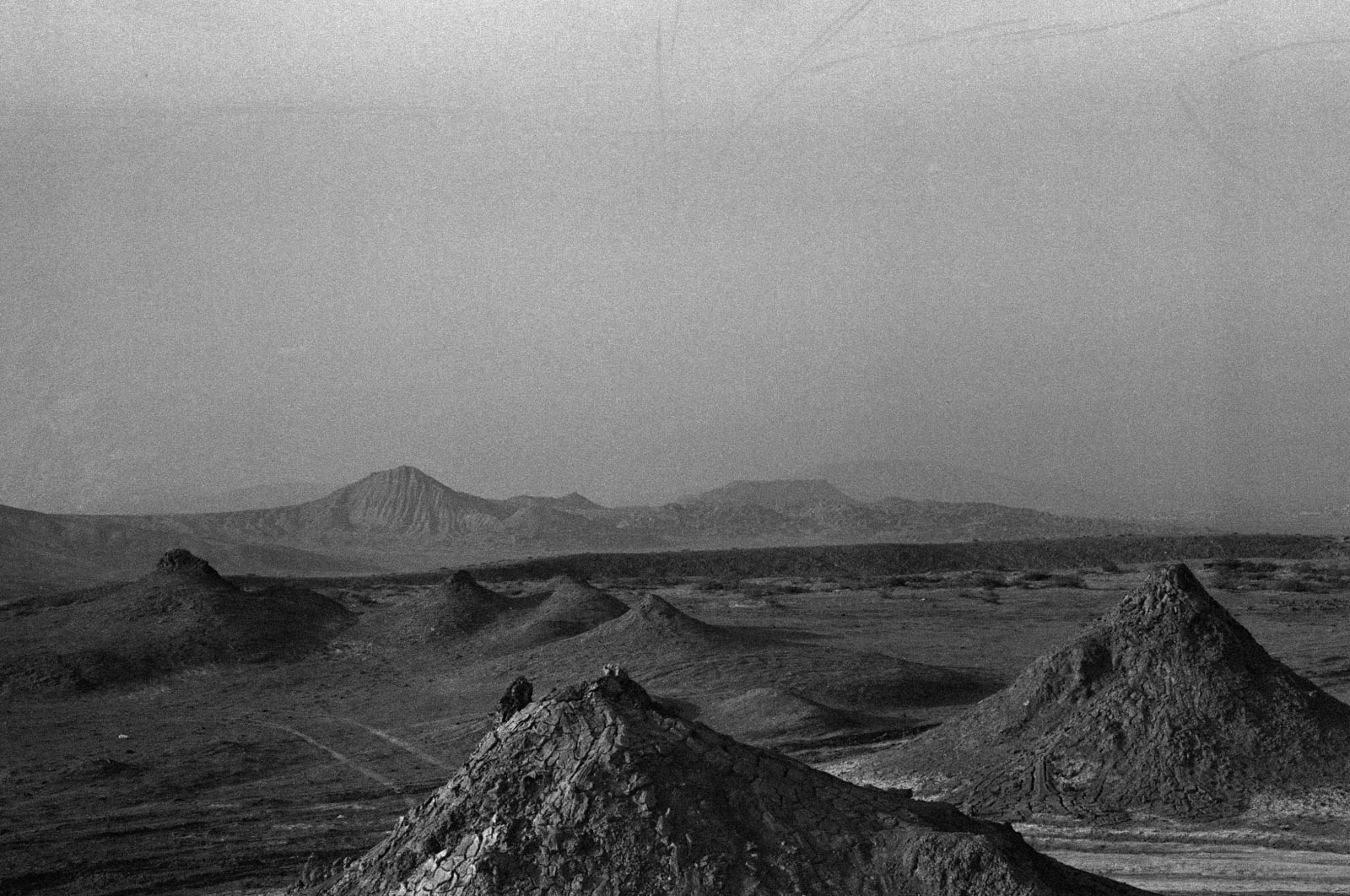
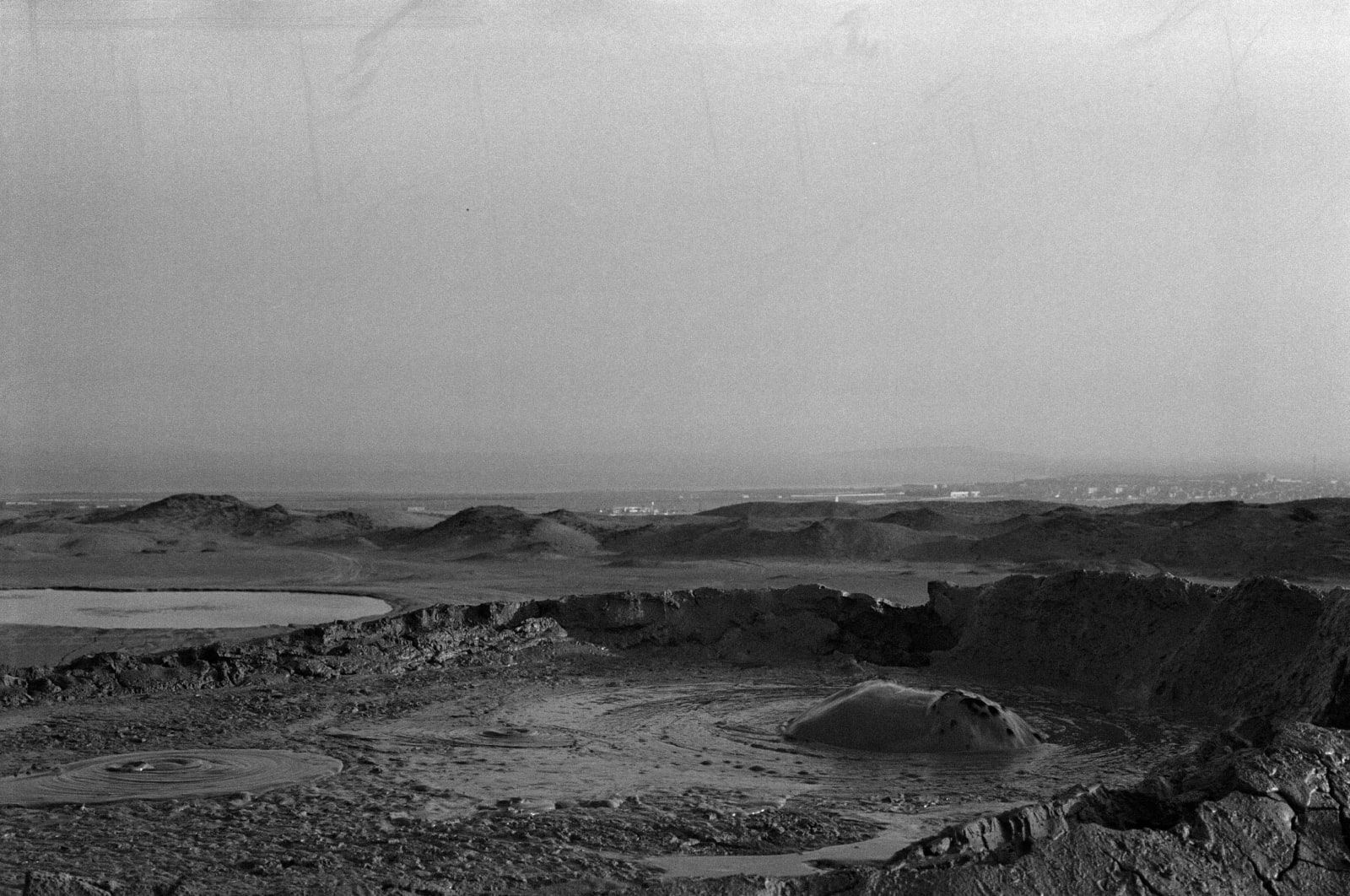
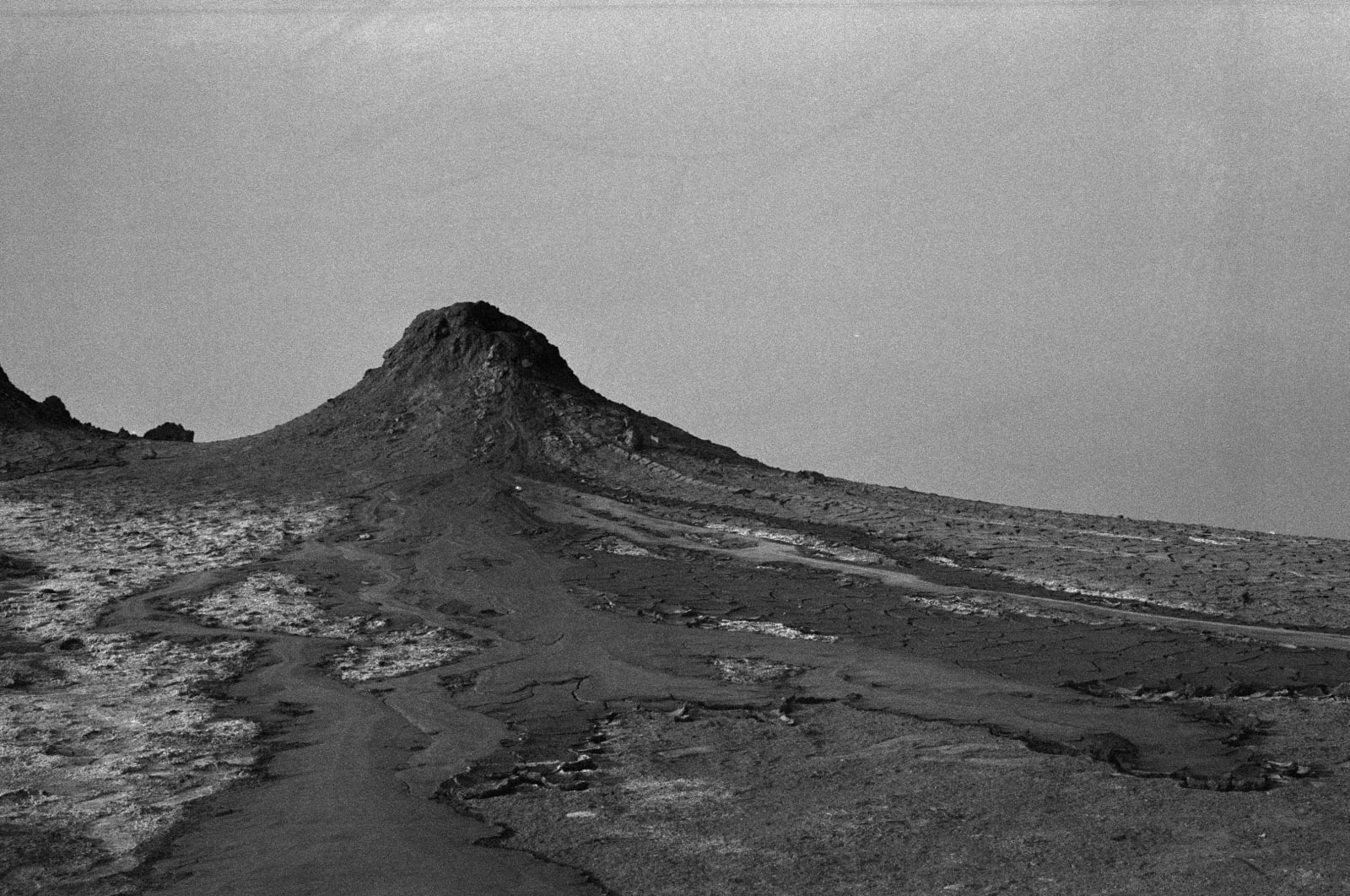
There are two things worth visiting in Gobustan, an ancient settlement filled with rock art, and mud vulcanos approximately half an hour further. The settlement is estimated to be 10,000 years old, but who knows? Interestingly enough, there is also a Roman inscription in Gobustan saying “to Imp(erator) Domitianus Caesar Aug(ustus) Germanicus, (by) Lucius Julius Maximus, Centurion of Leg(ion) XII Ful(minata)”. No one knows what this carving is doing here, but it is interesting how this is the easternmost Latin inscription in the world.
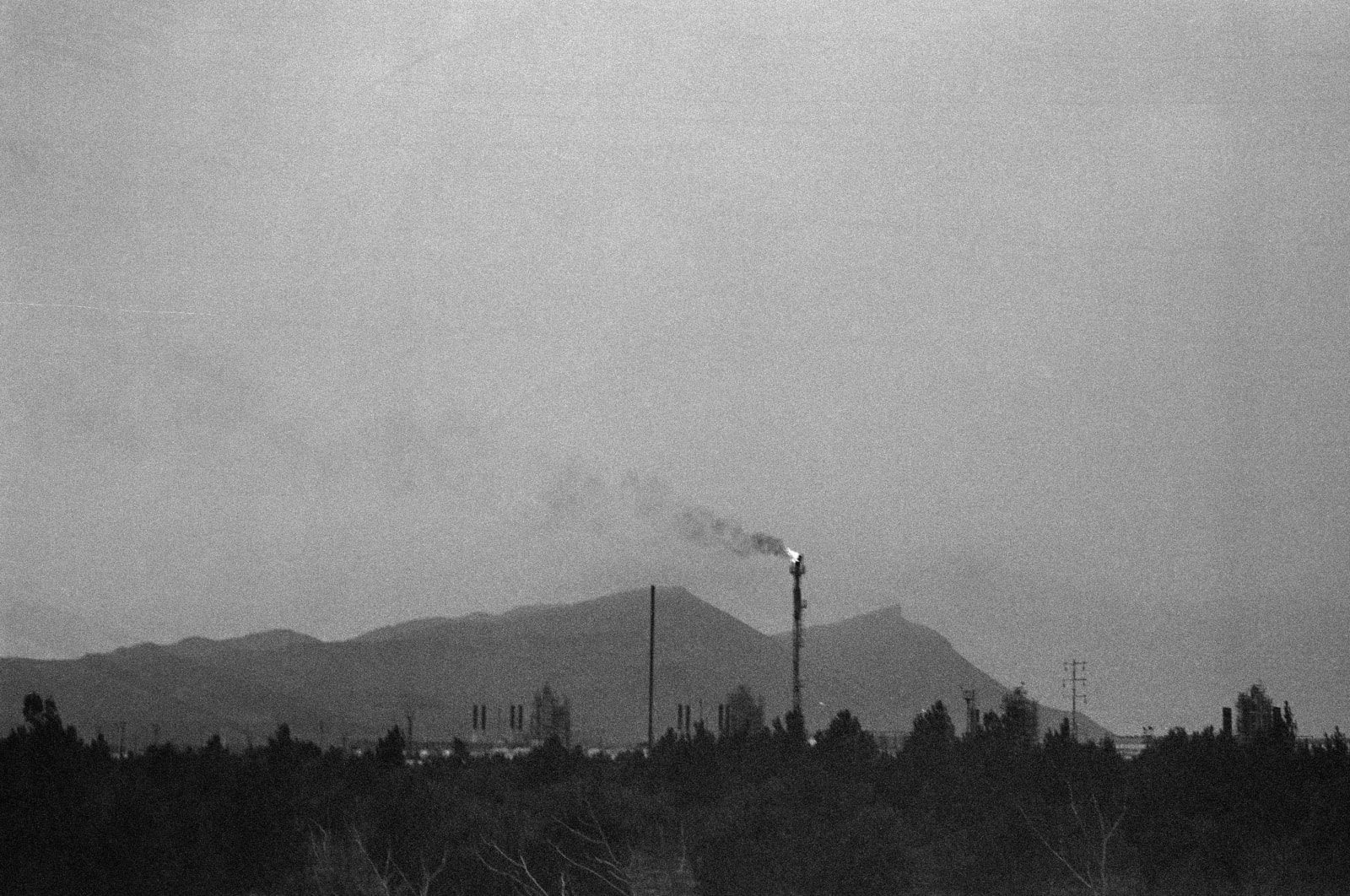
Azerbaijan literally translates to the “Protector of Fire”. In the past, before the Soviets extracted almost all the gas from the ground, the fire could be found all over Azerbaijan simply raising from the ground up. It is enough to say that the main objective of the Third Reich’s invasion of the Soviet Union was to reach these oil and gas deposits.


Absheron
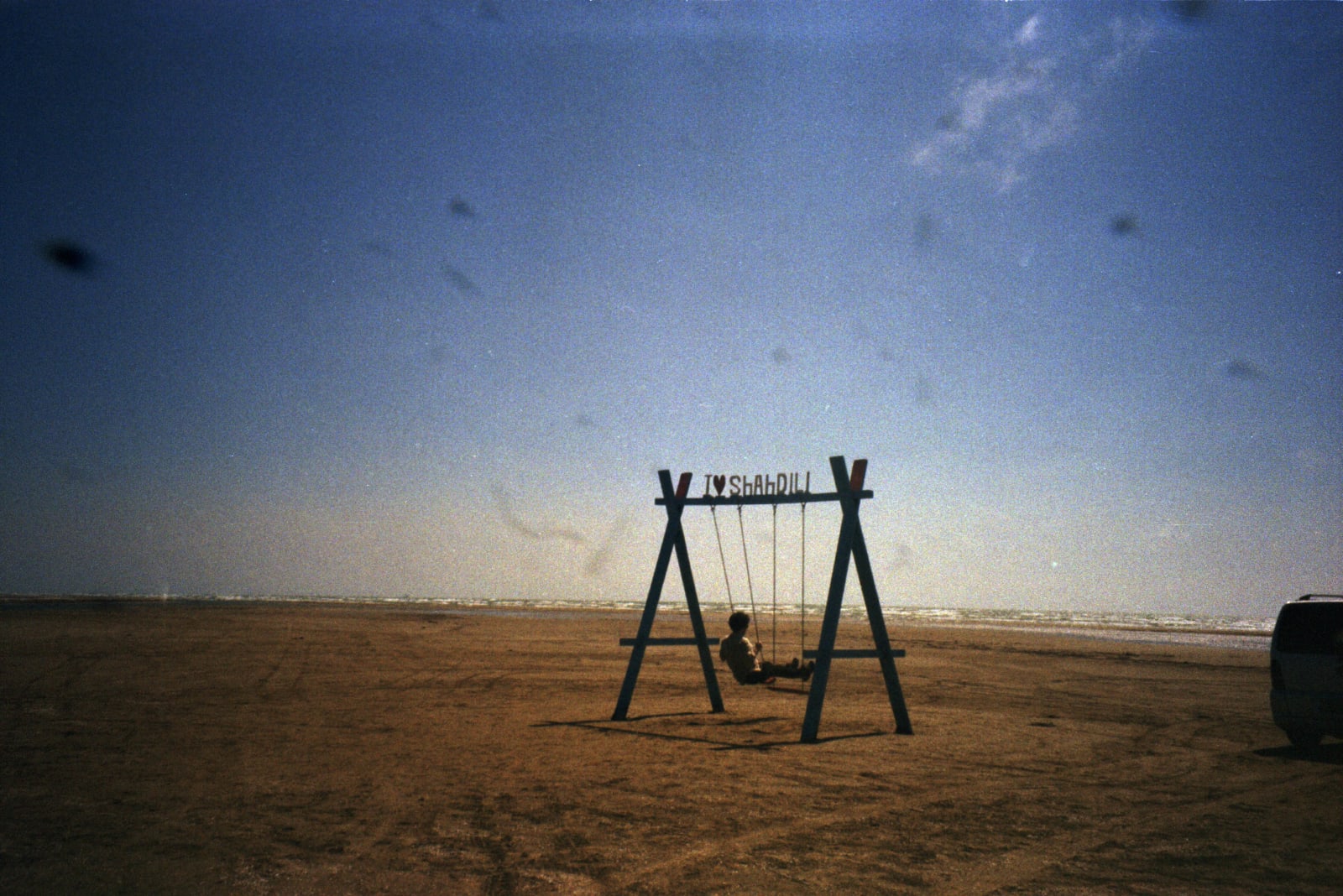
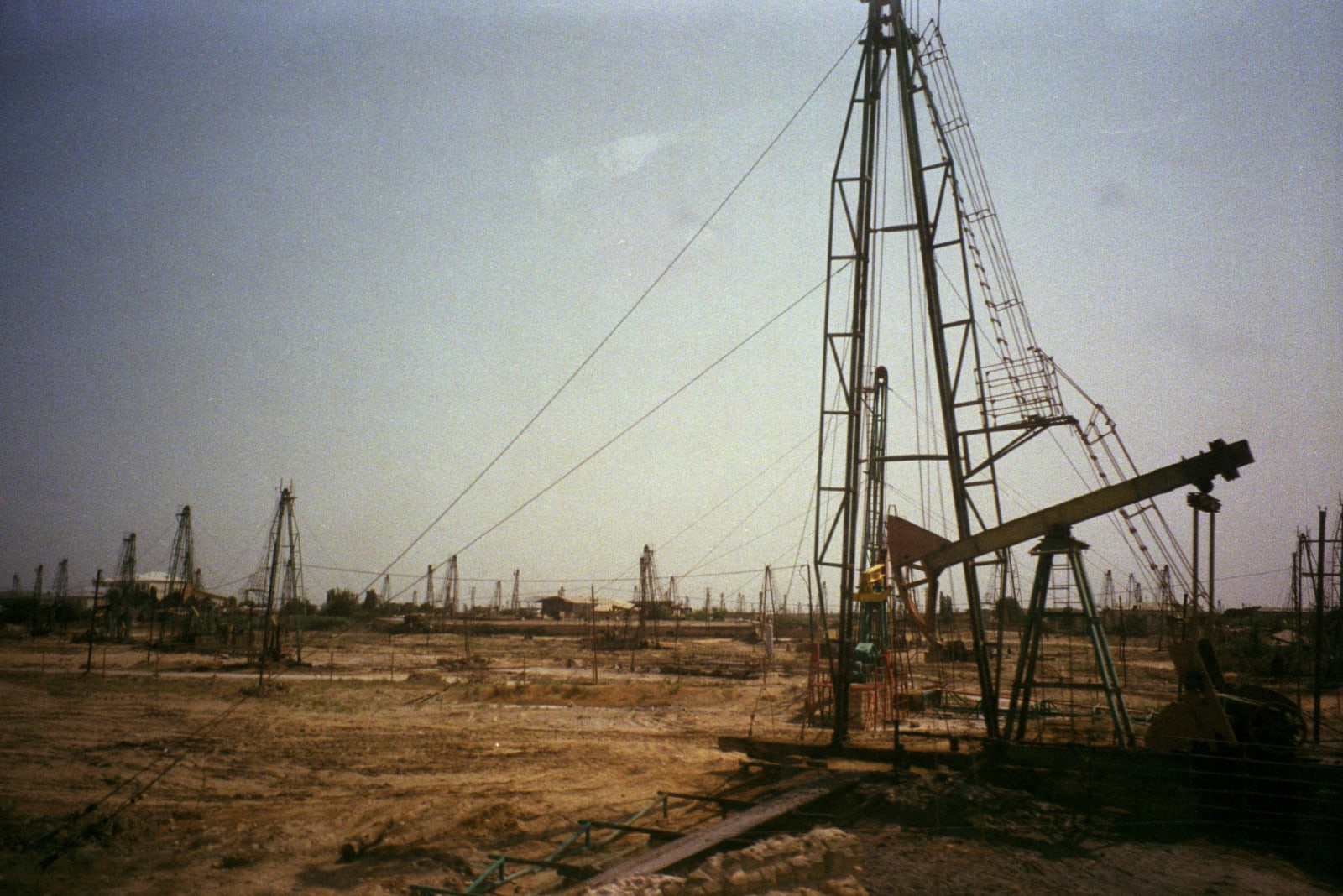
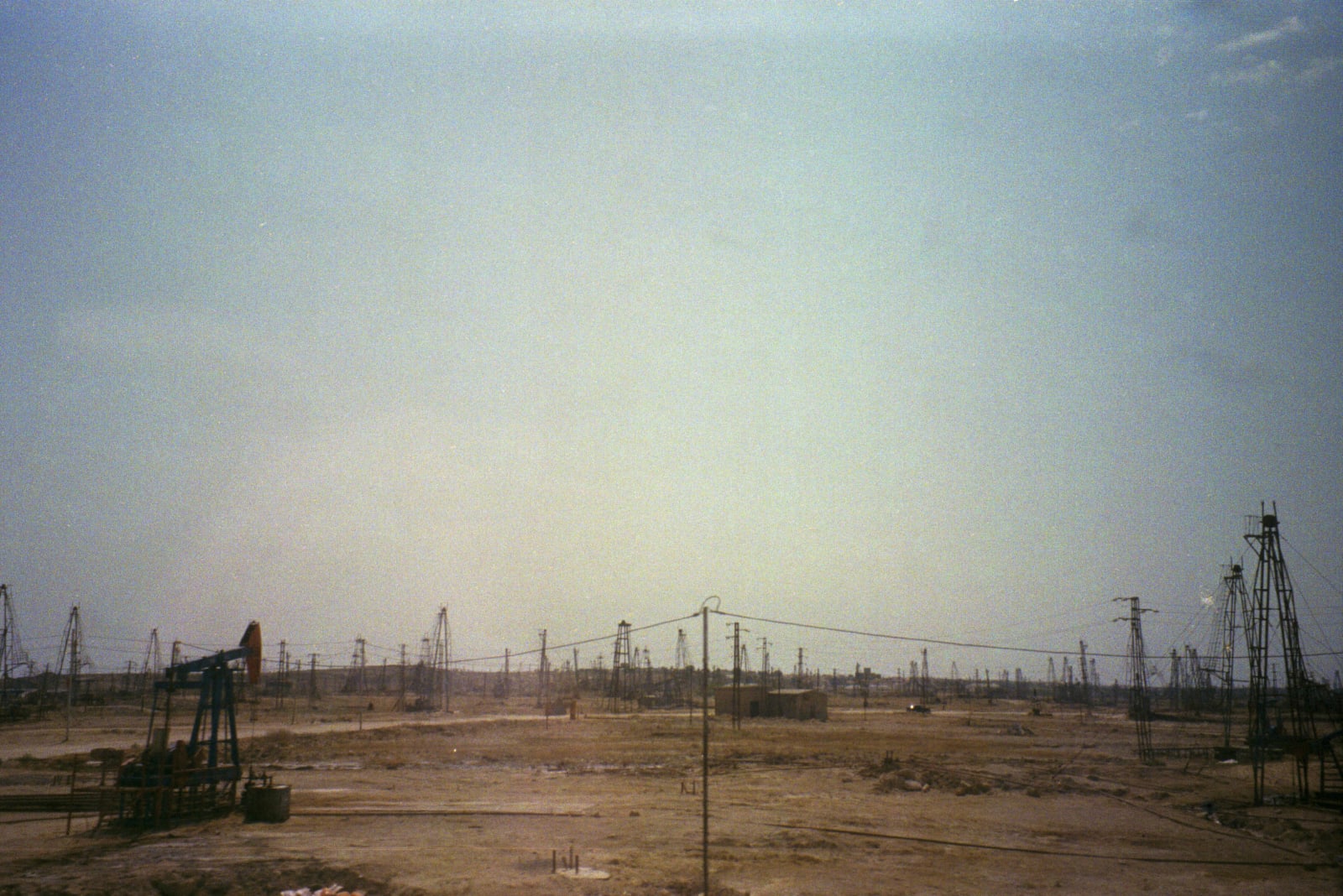
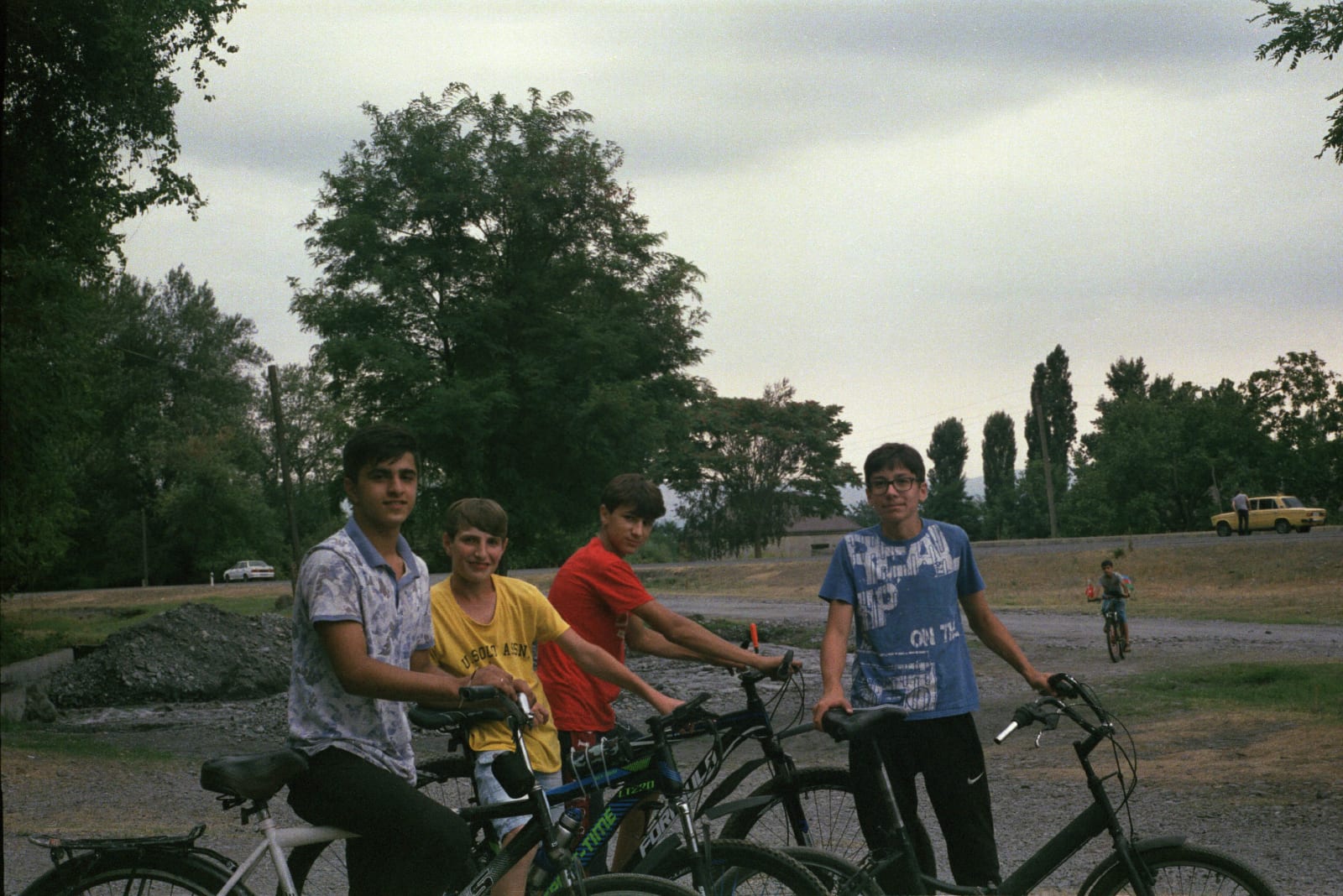
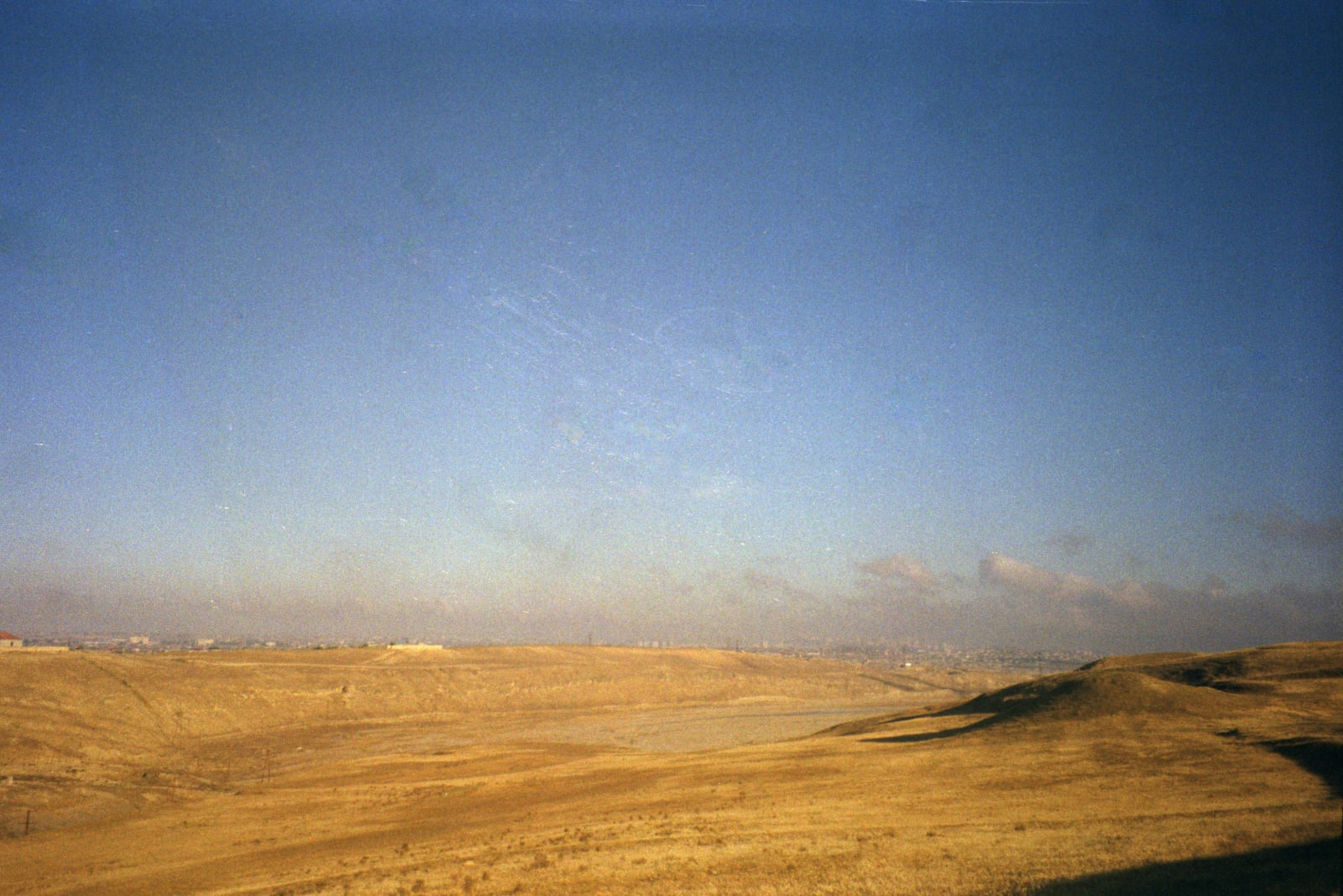
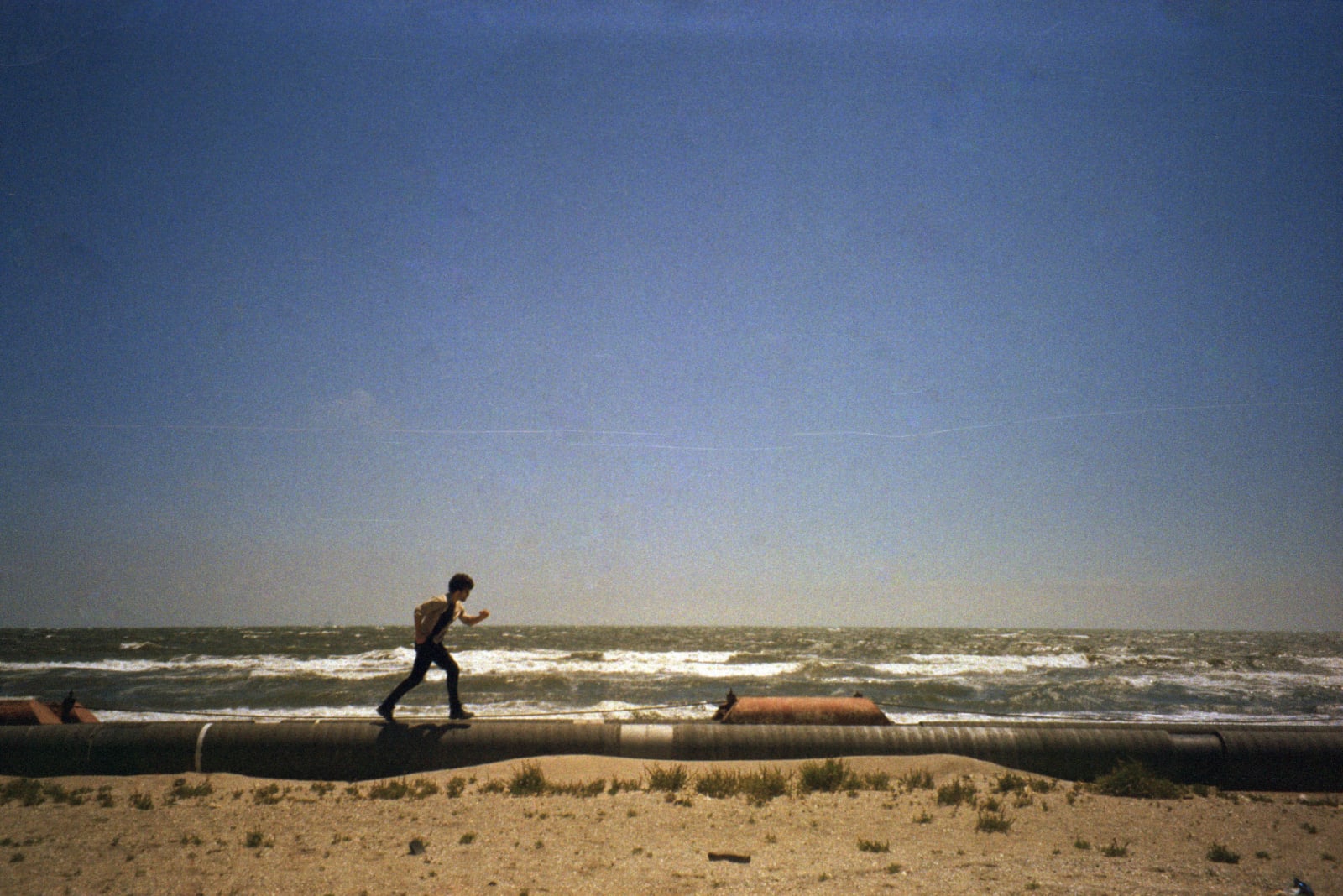
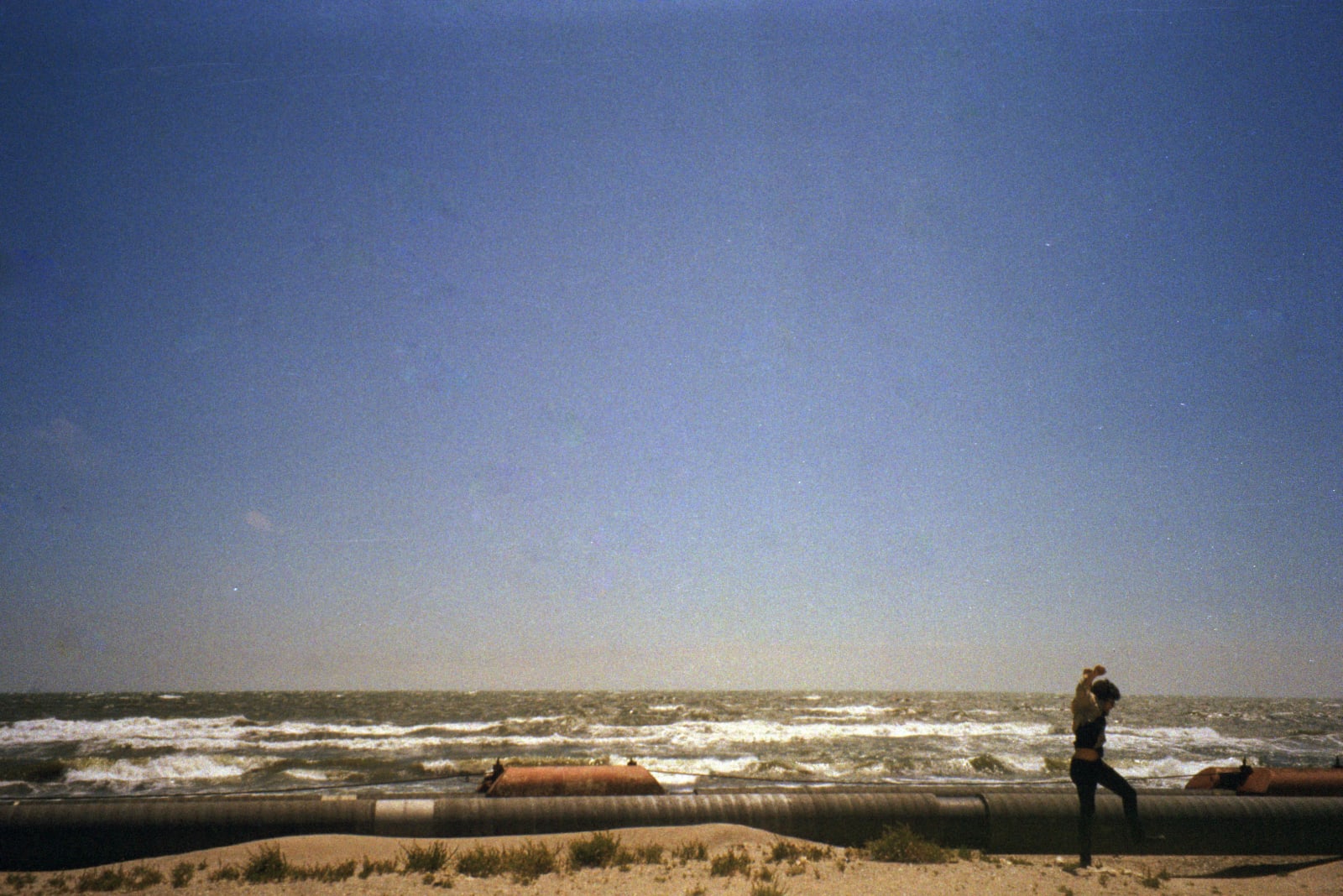
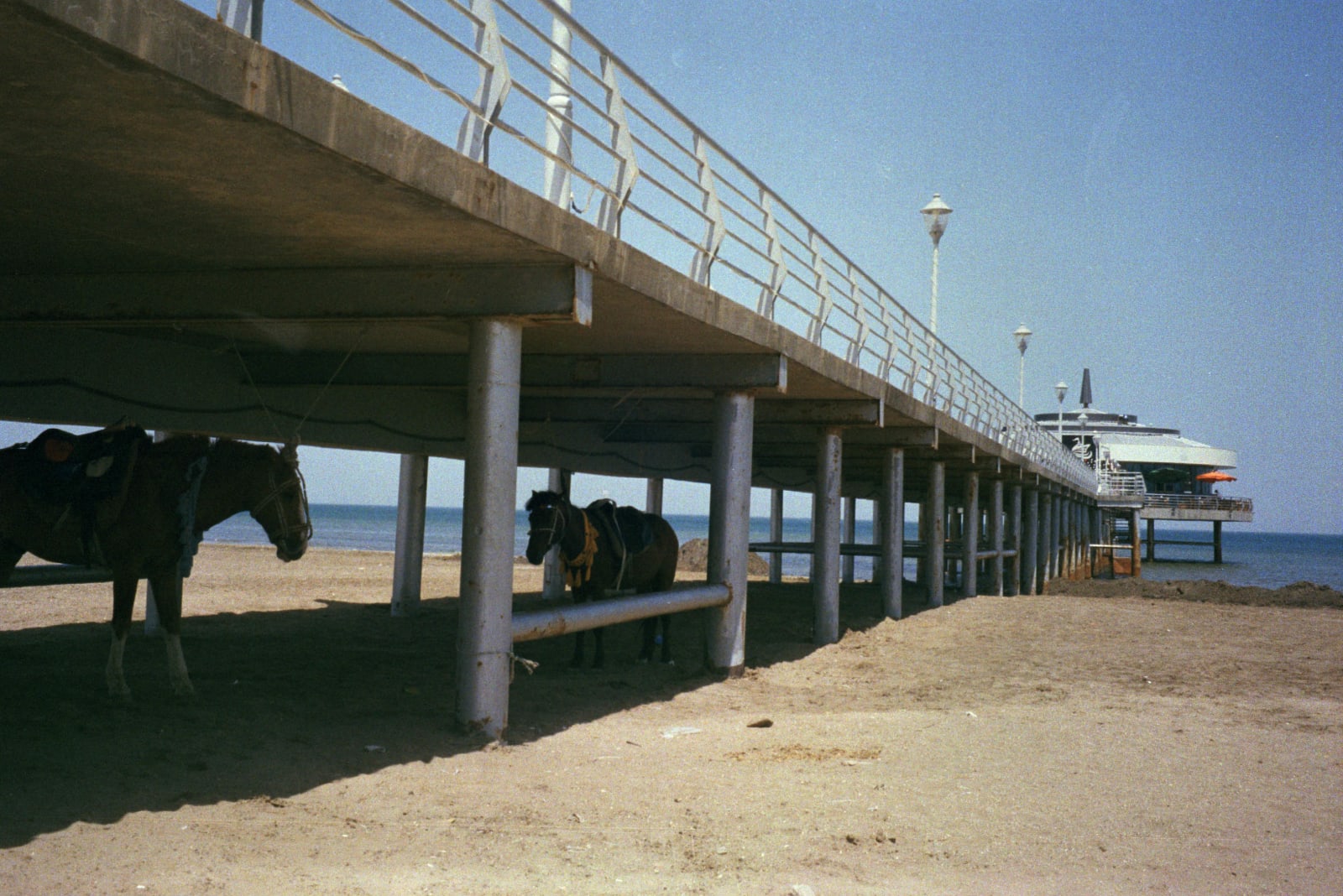
This was just a one-day trip, but I loved it. Absheron is a desert, but nonetheless, more than 3 million people live on this small peninsula. This was a strategic region since antiquity because it allows for trade with the rest of the nations bordering the Caspian Sea.


Sumgayit
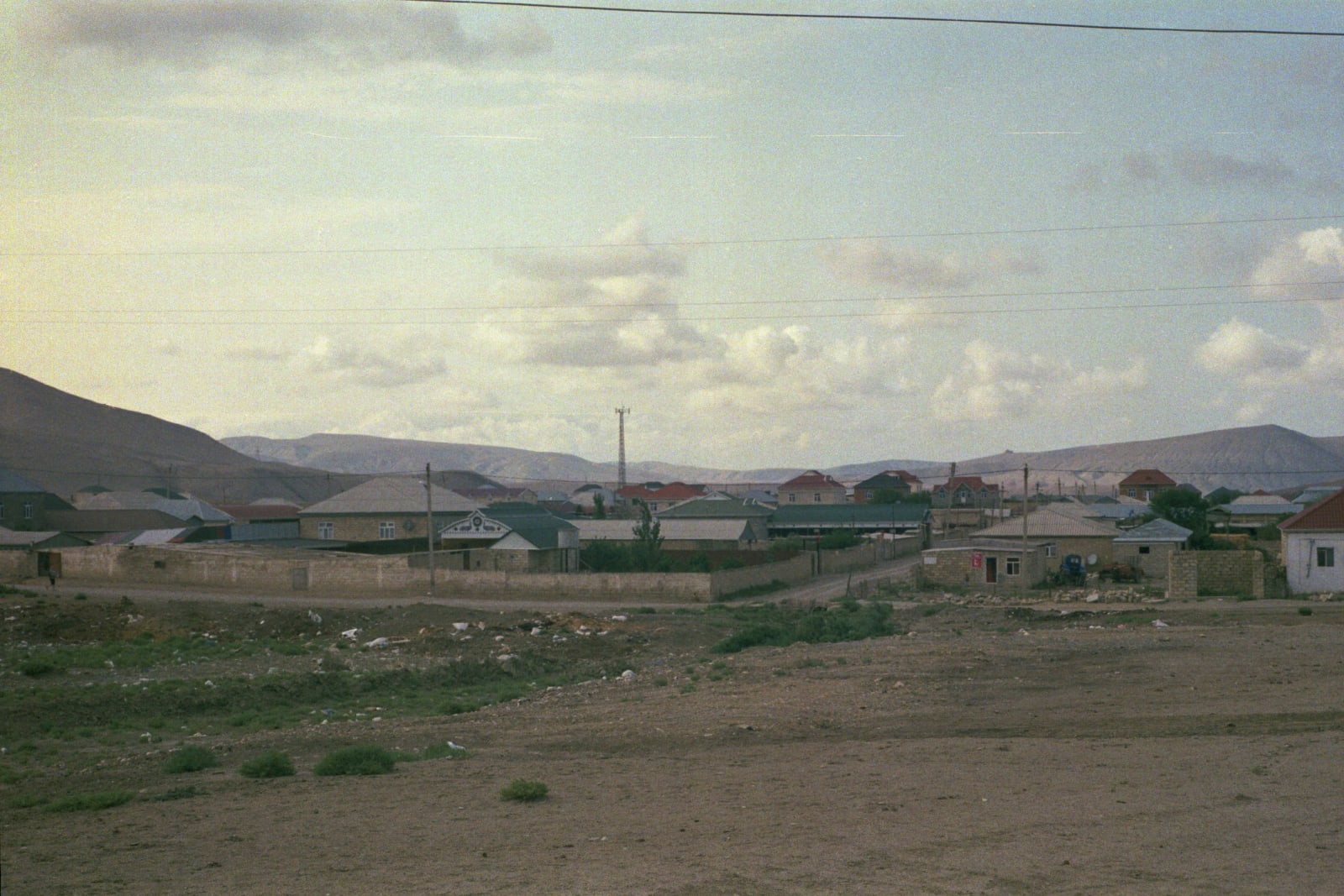
Sumgayit is the second biggest city in Azerbaijan, but less than an hour away from the capital. It is one of the ugliest places I have ever visited. The architecture is stark, the beach stinks of sewers, there are no interesting places, and the layout of the city doesn’t offer anything new. Everything is extremely bland.

Quba
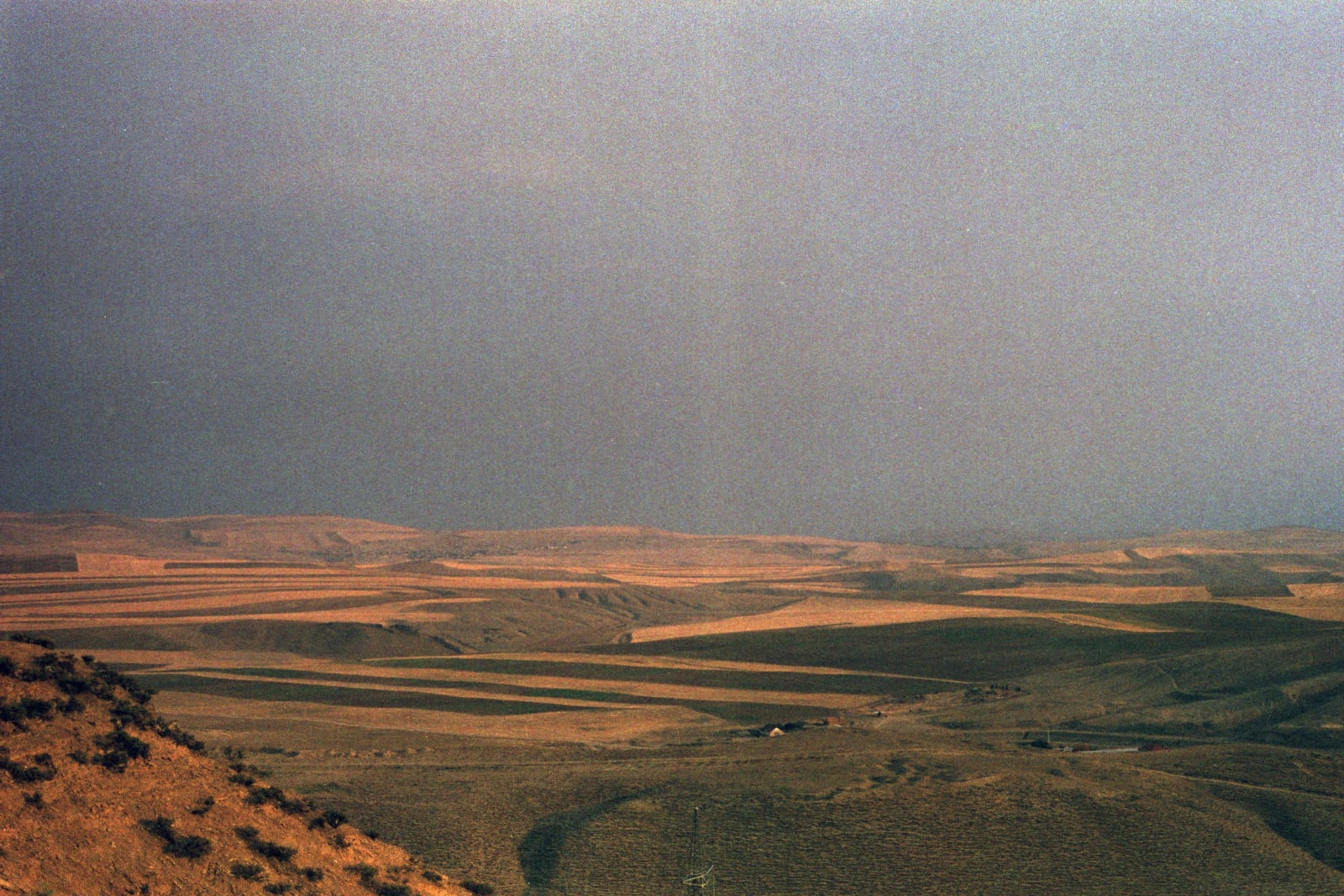
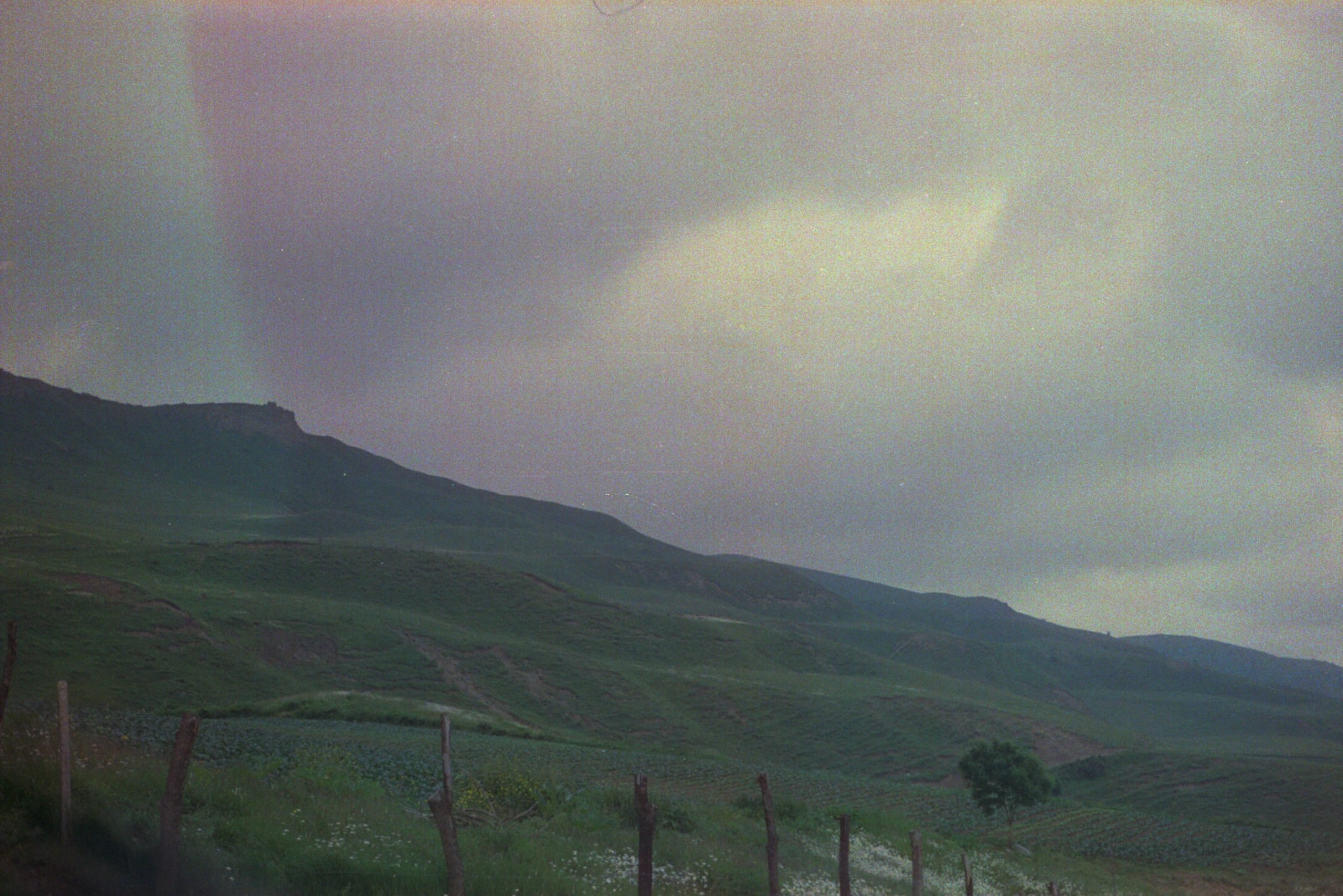
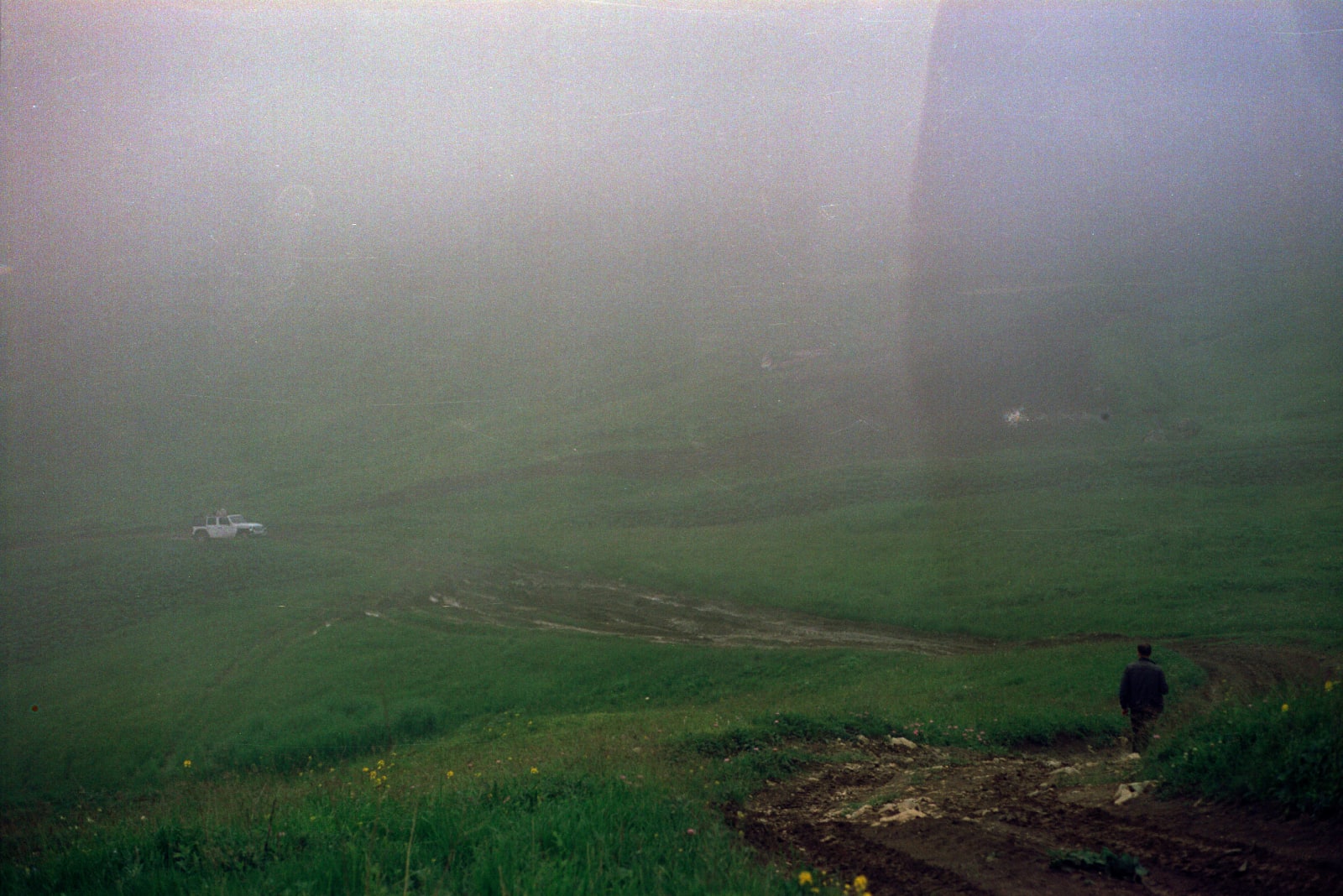
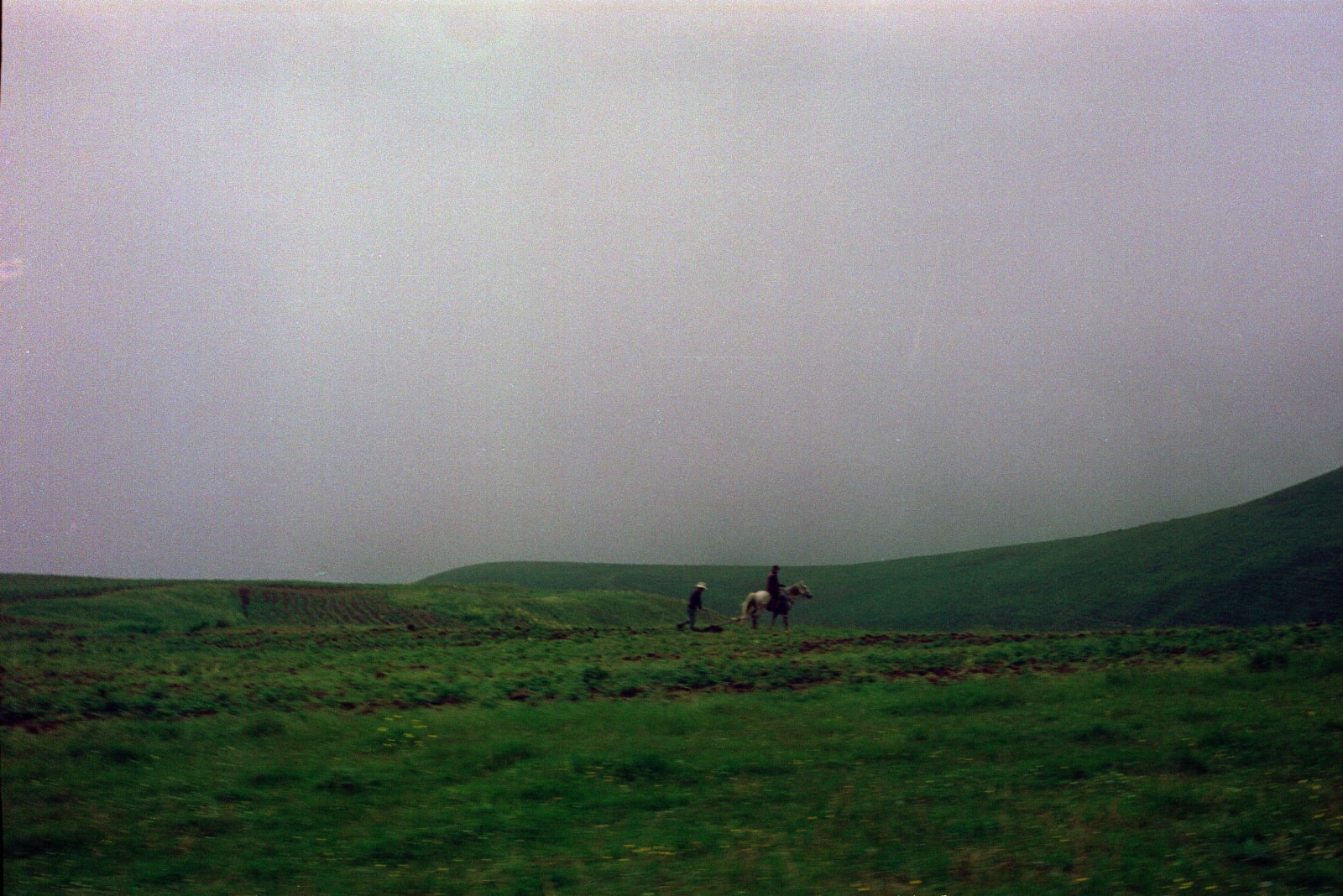
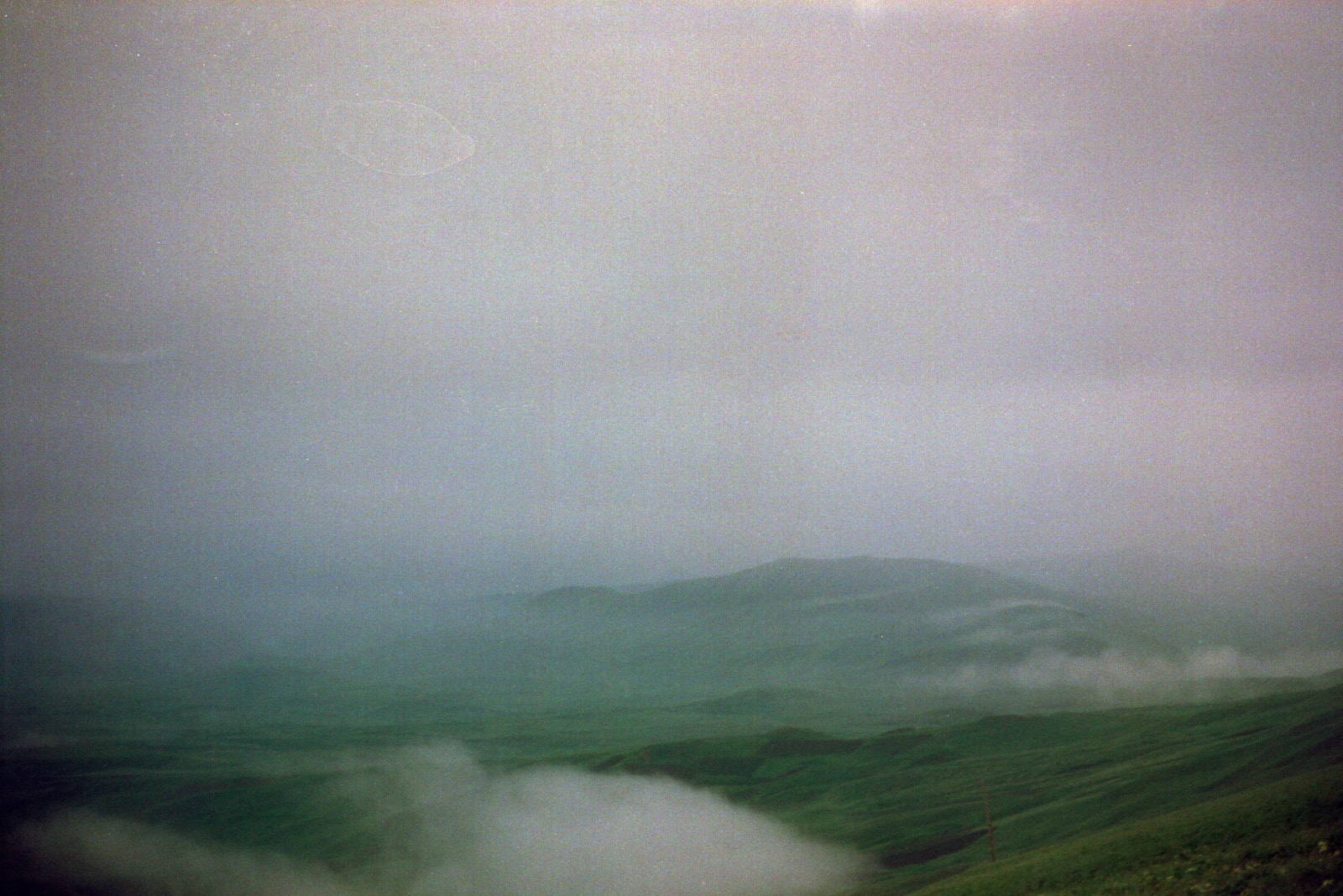
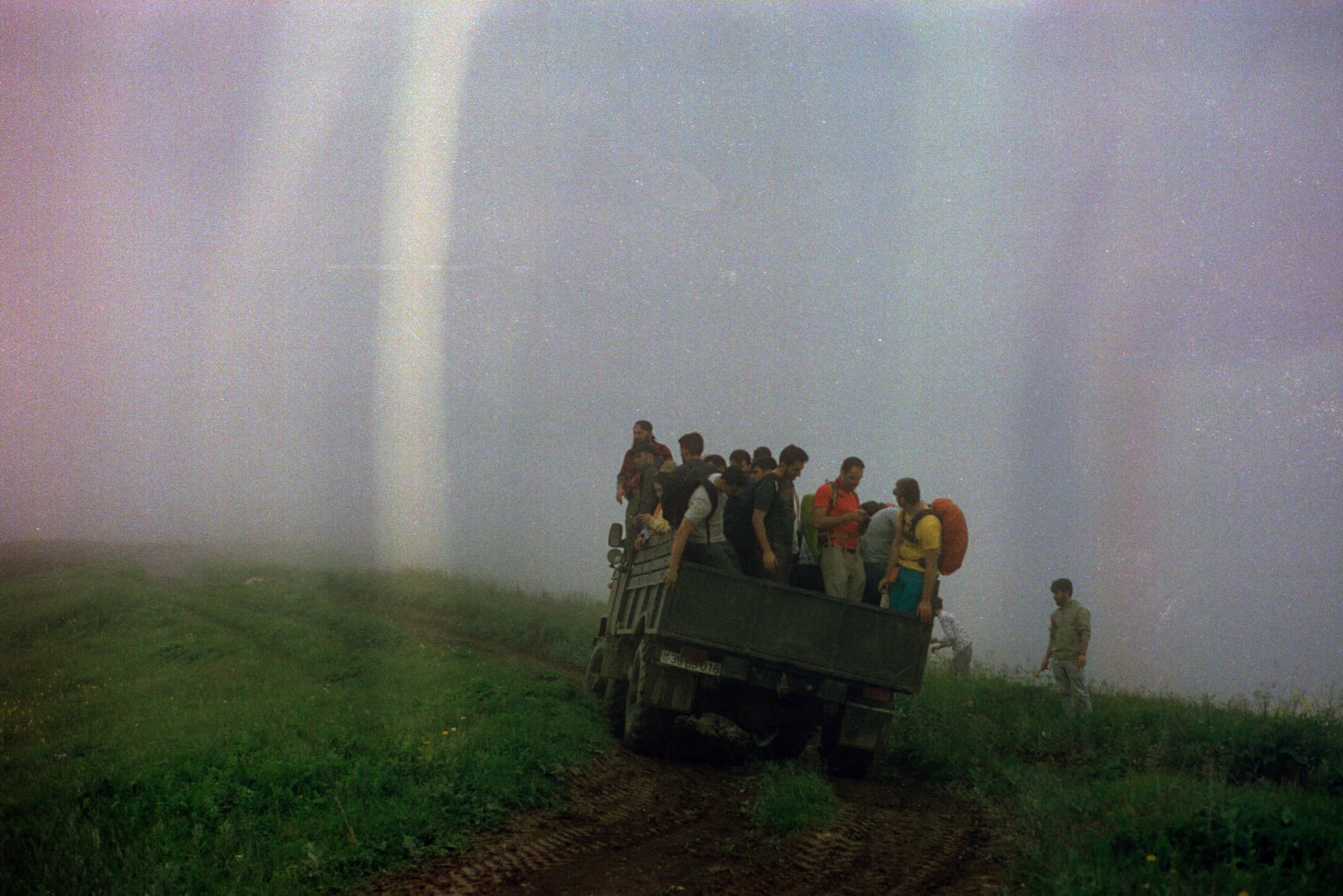
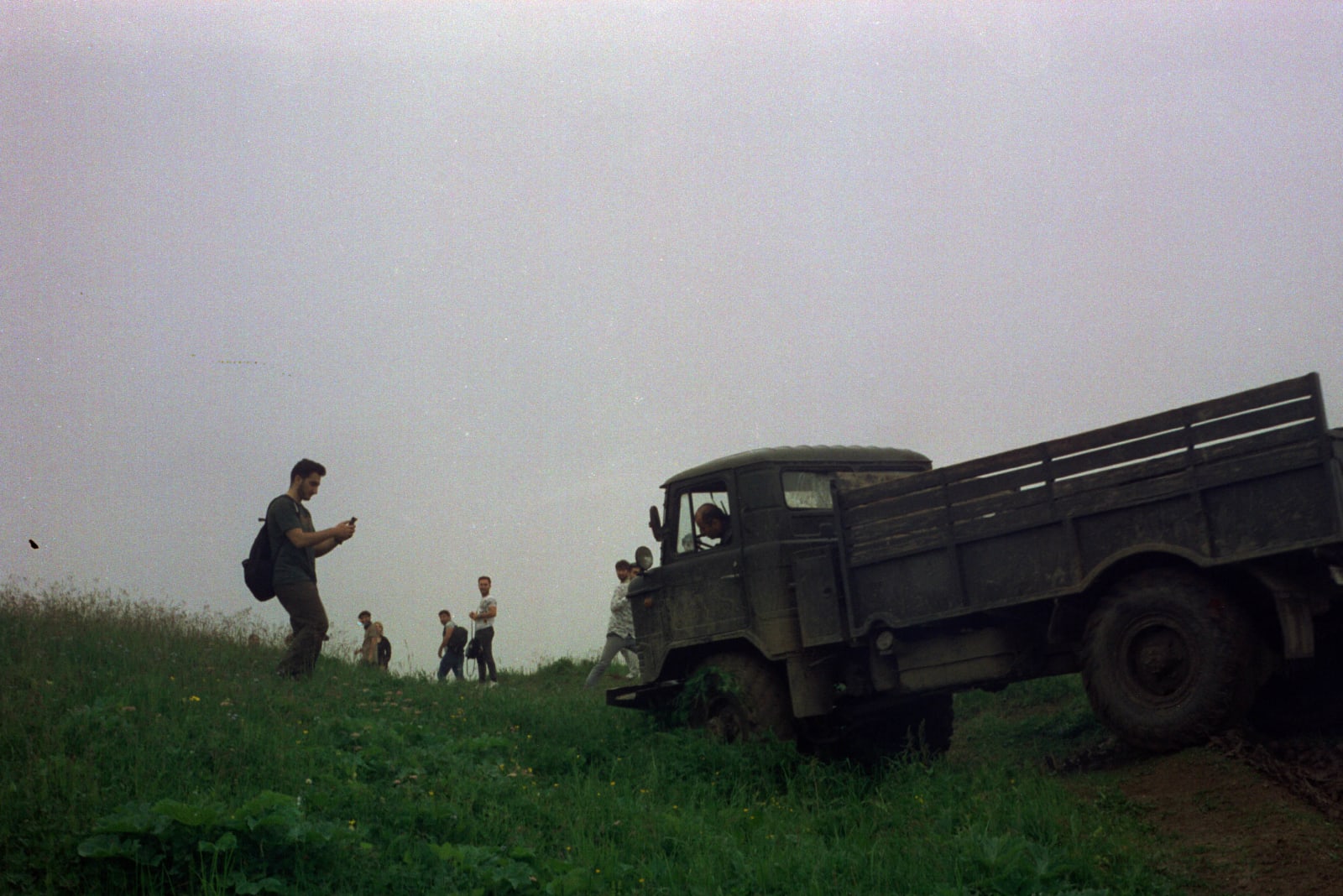
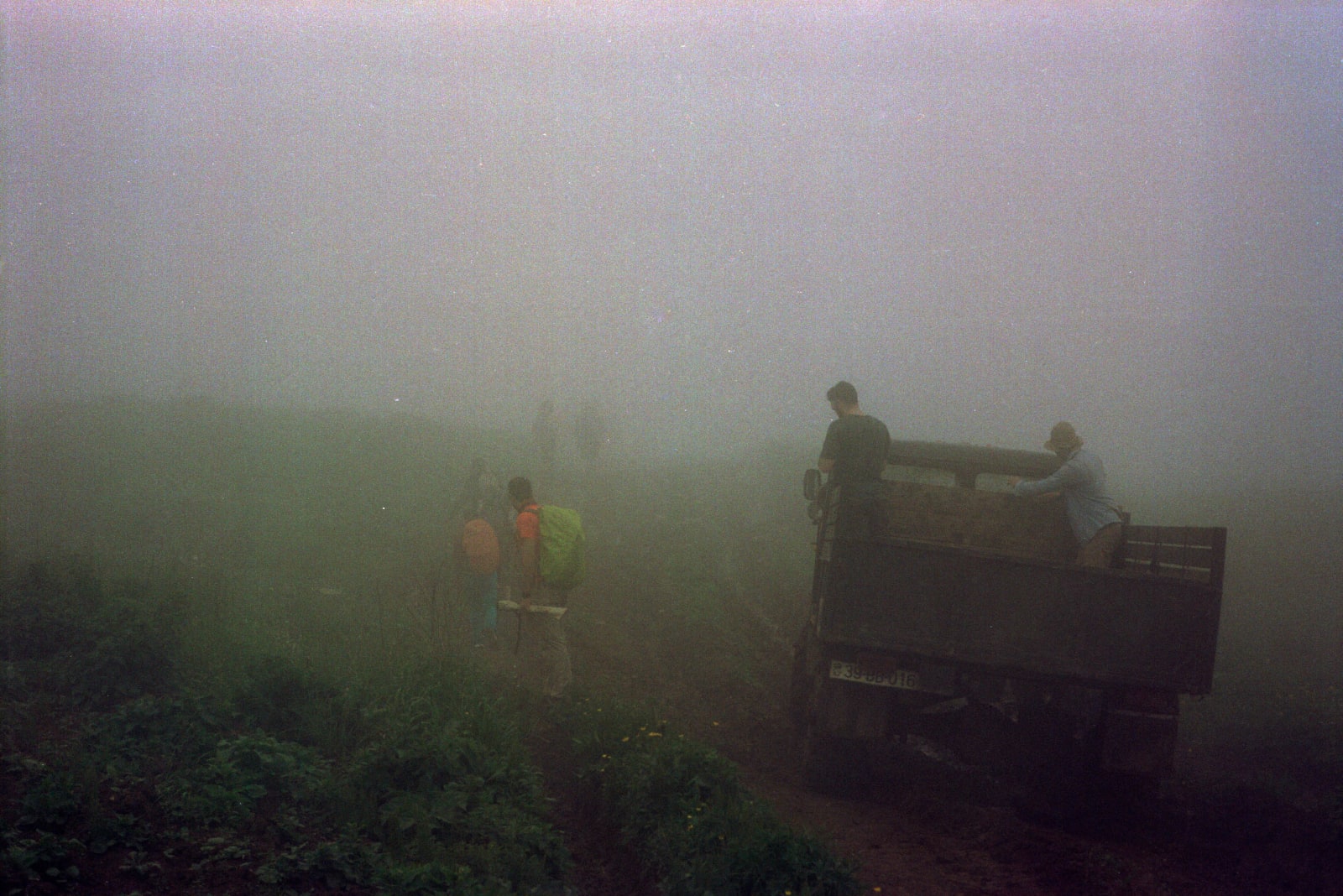
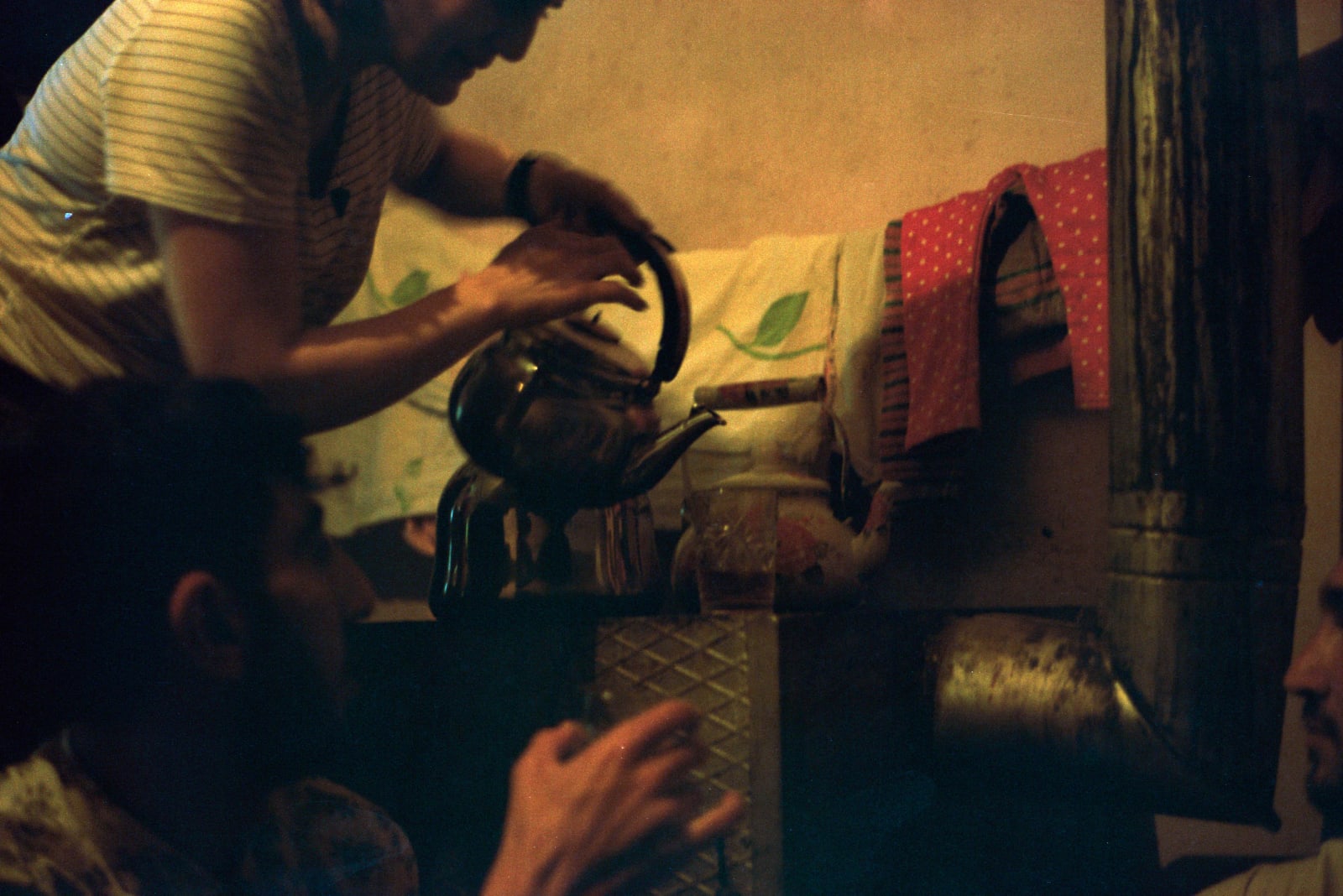
I wish I had more time to explore the mountains of Azerbaijan, but this was our only trip. We went far to the northwest, right on the border with Russia. The day was dark and foggy, but whenever the sky cleared out even a little bit, the views were stunning.


F1
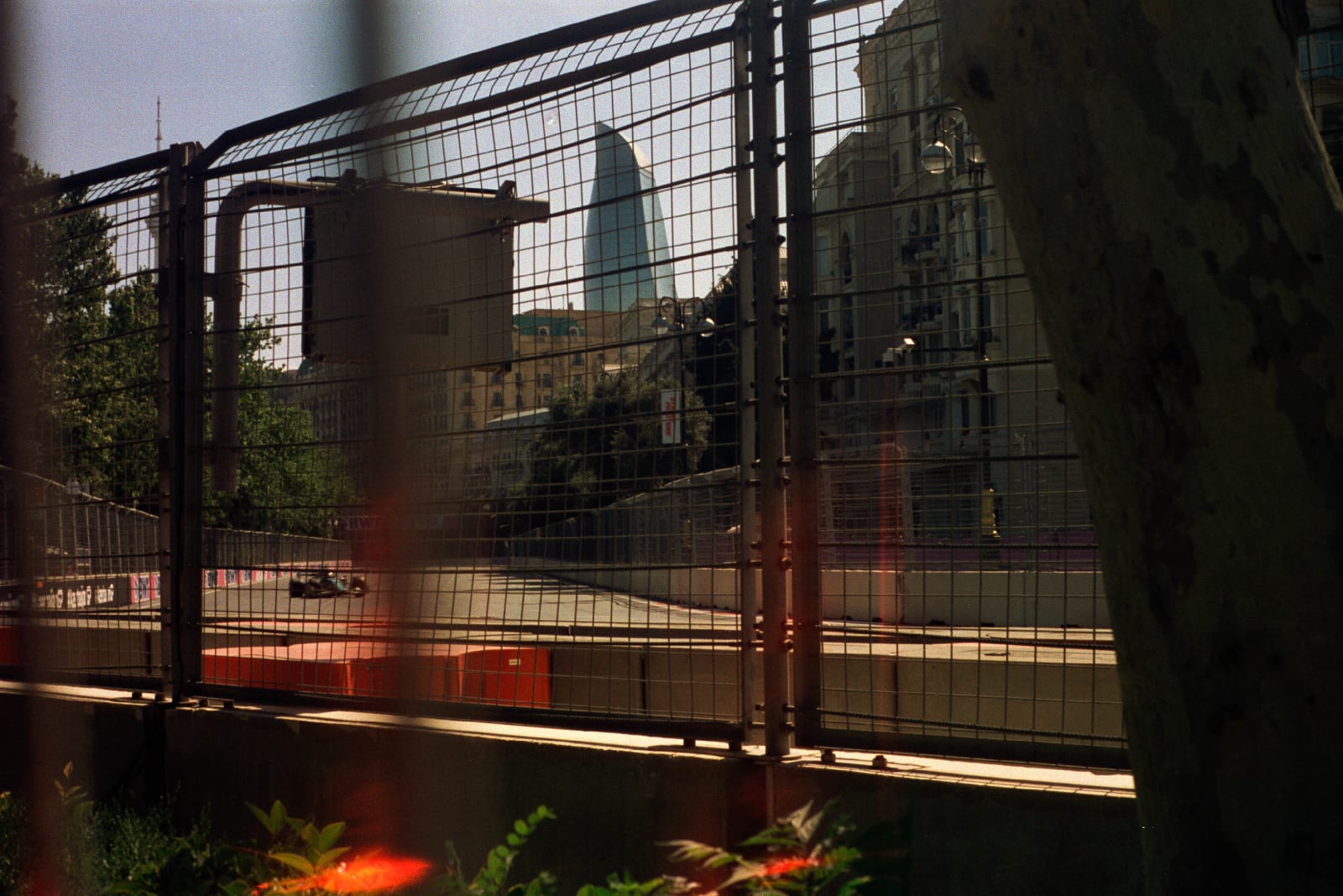
I just have to say that the formula cars are unbelievably fast and loud.

Sheki
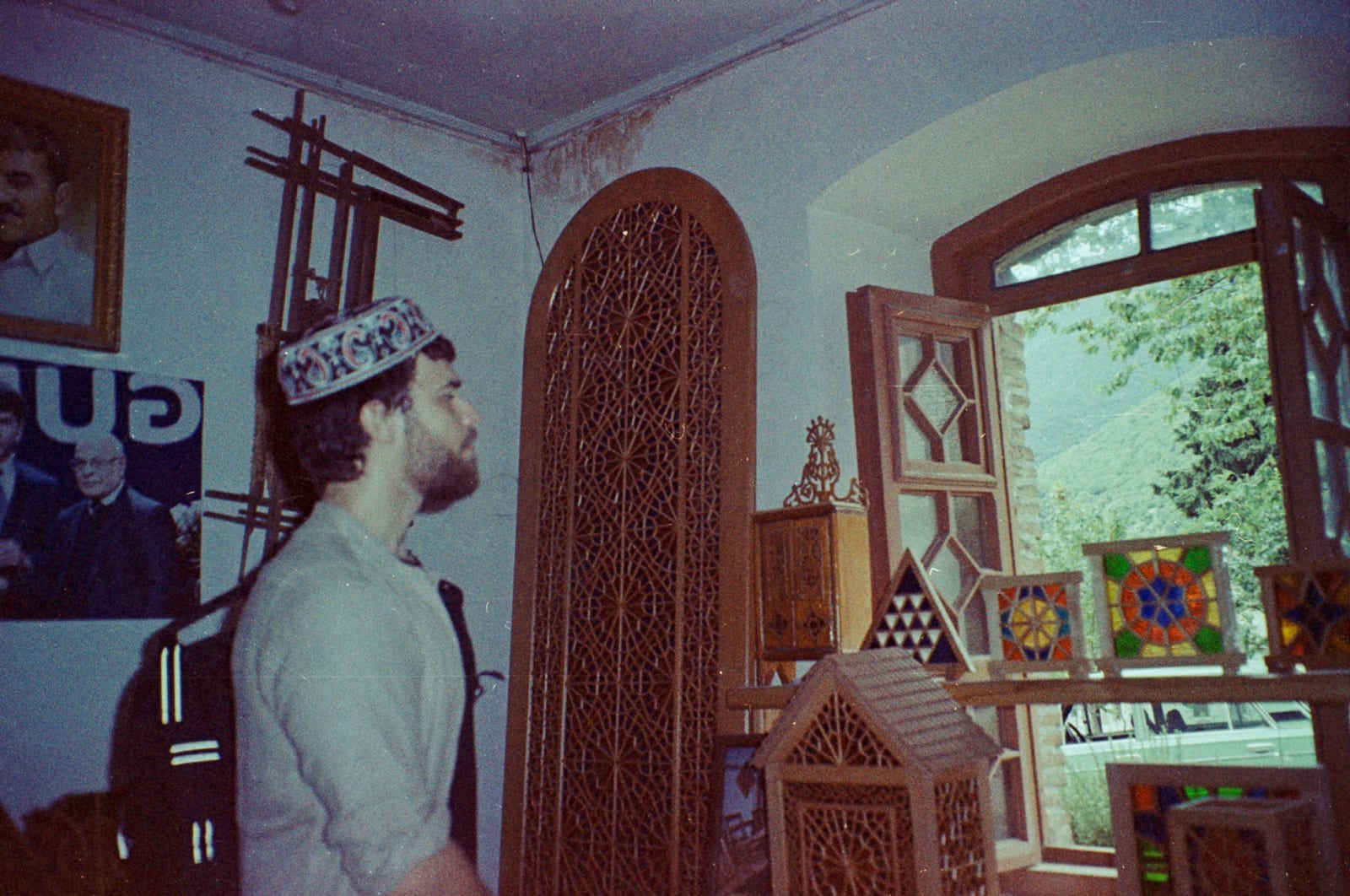
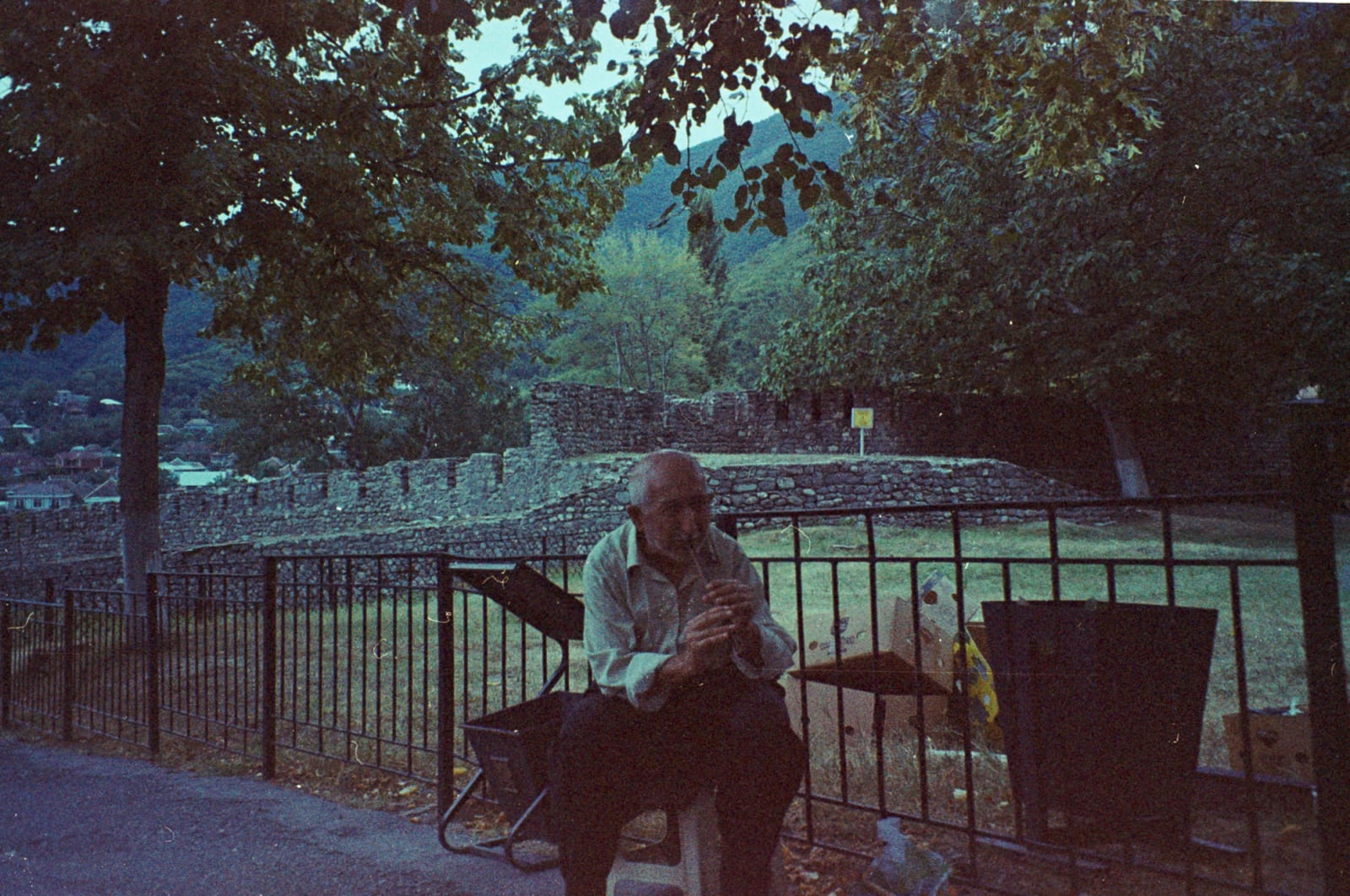
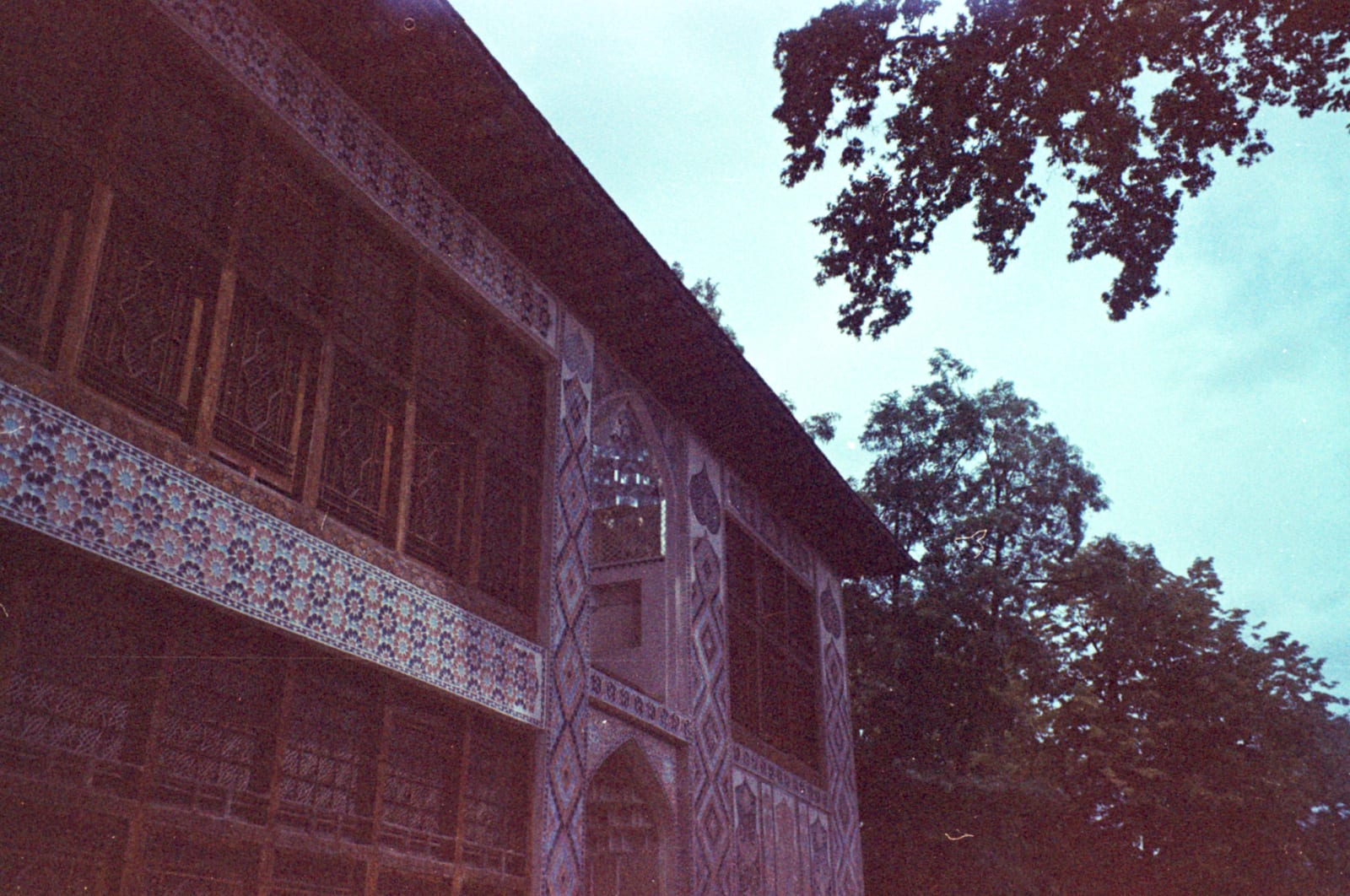
I rented a car for 4 days to go to the westernmost region in Azerbaijan, Sheki. The ancient silk route passed right through this city, making it very wealthy for its time. Up until the beginning of the 19th century, the Shaki Khanate had substantial autonomy, but then they signs a peace treaty with Russians and their glory days came to an end. Russians didn’t take care of the heritage in the city, so only in recent years renovations are being made to show the old glory of the khanate.
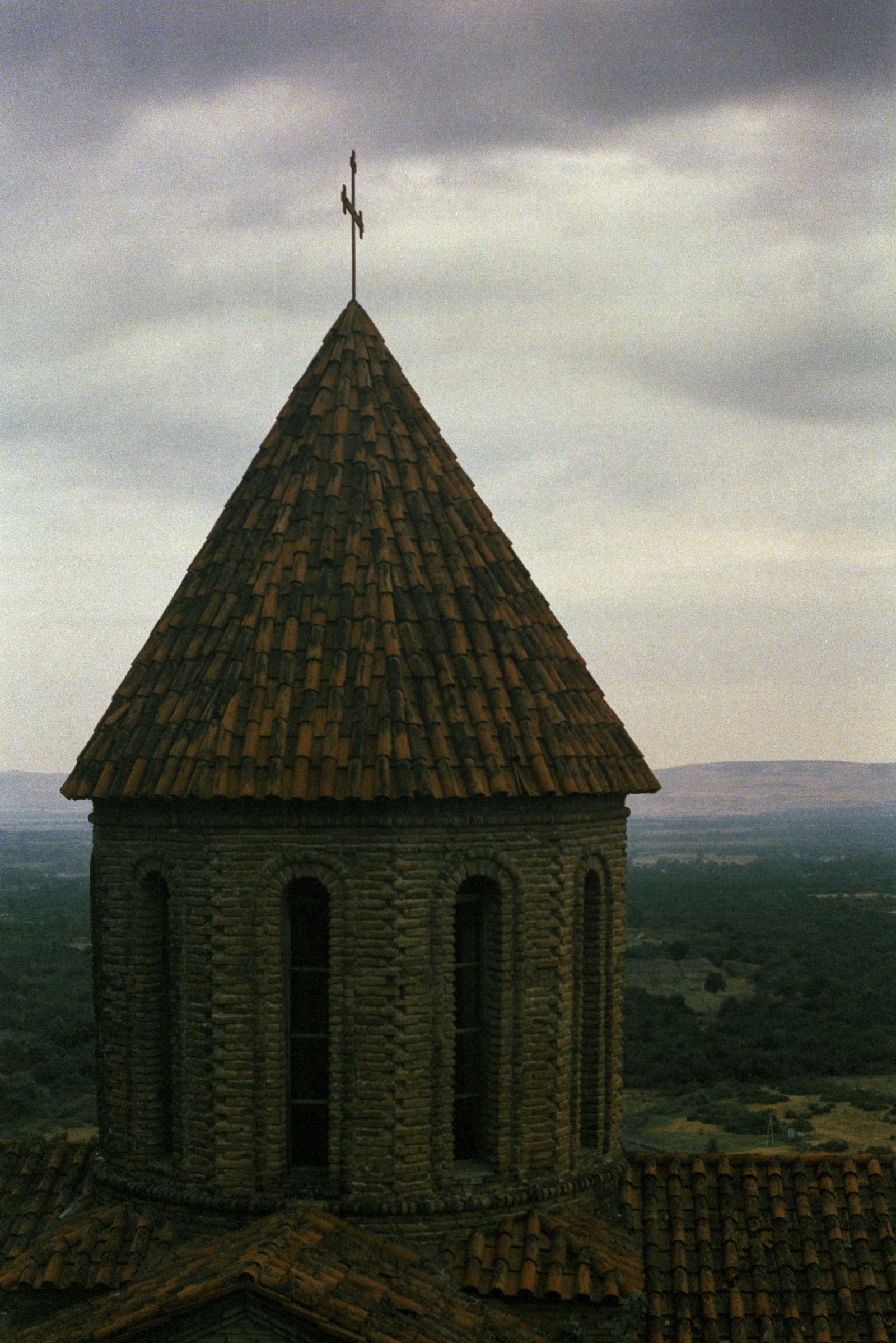
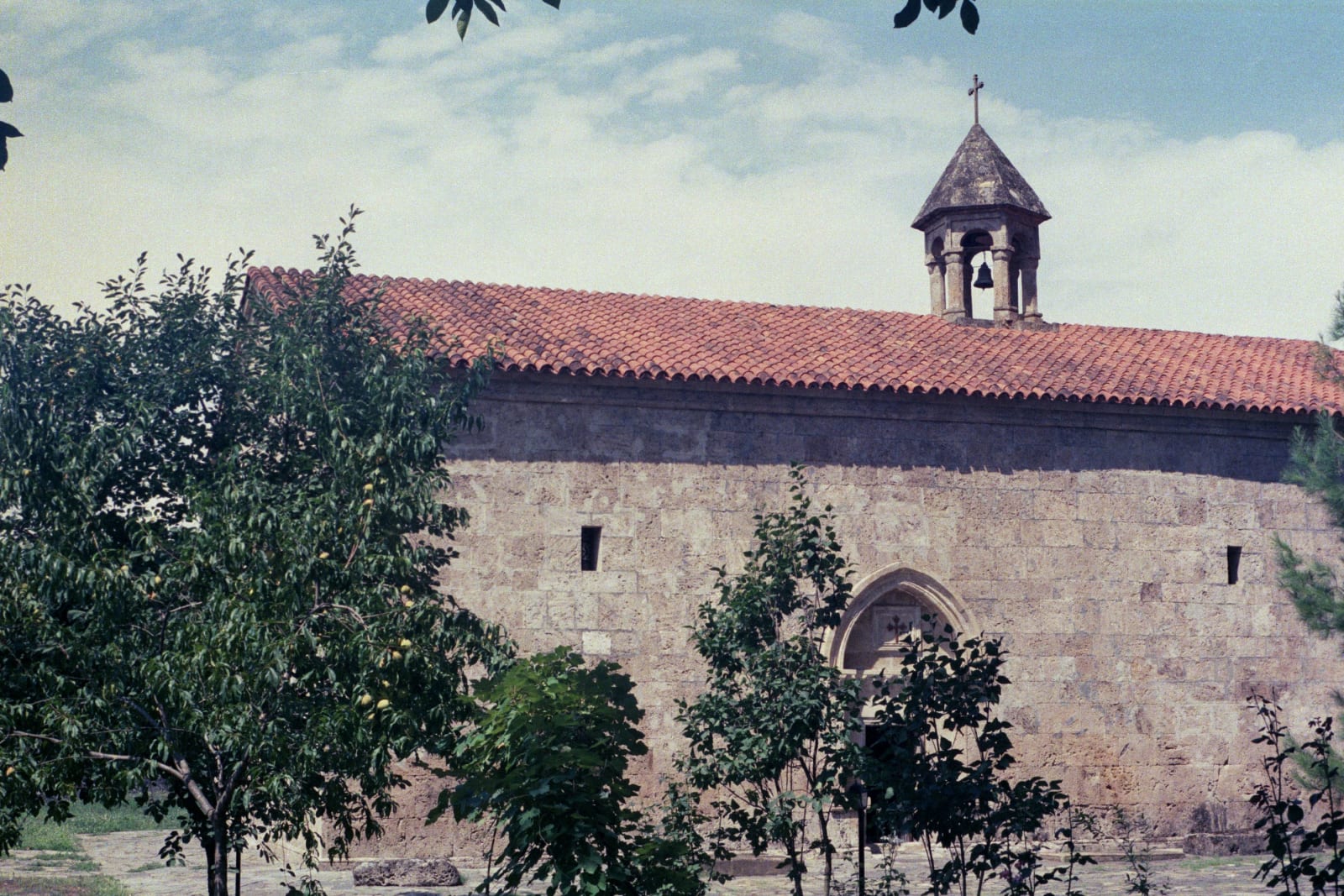
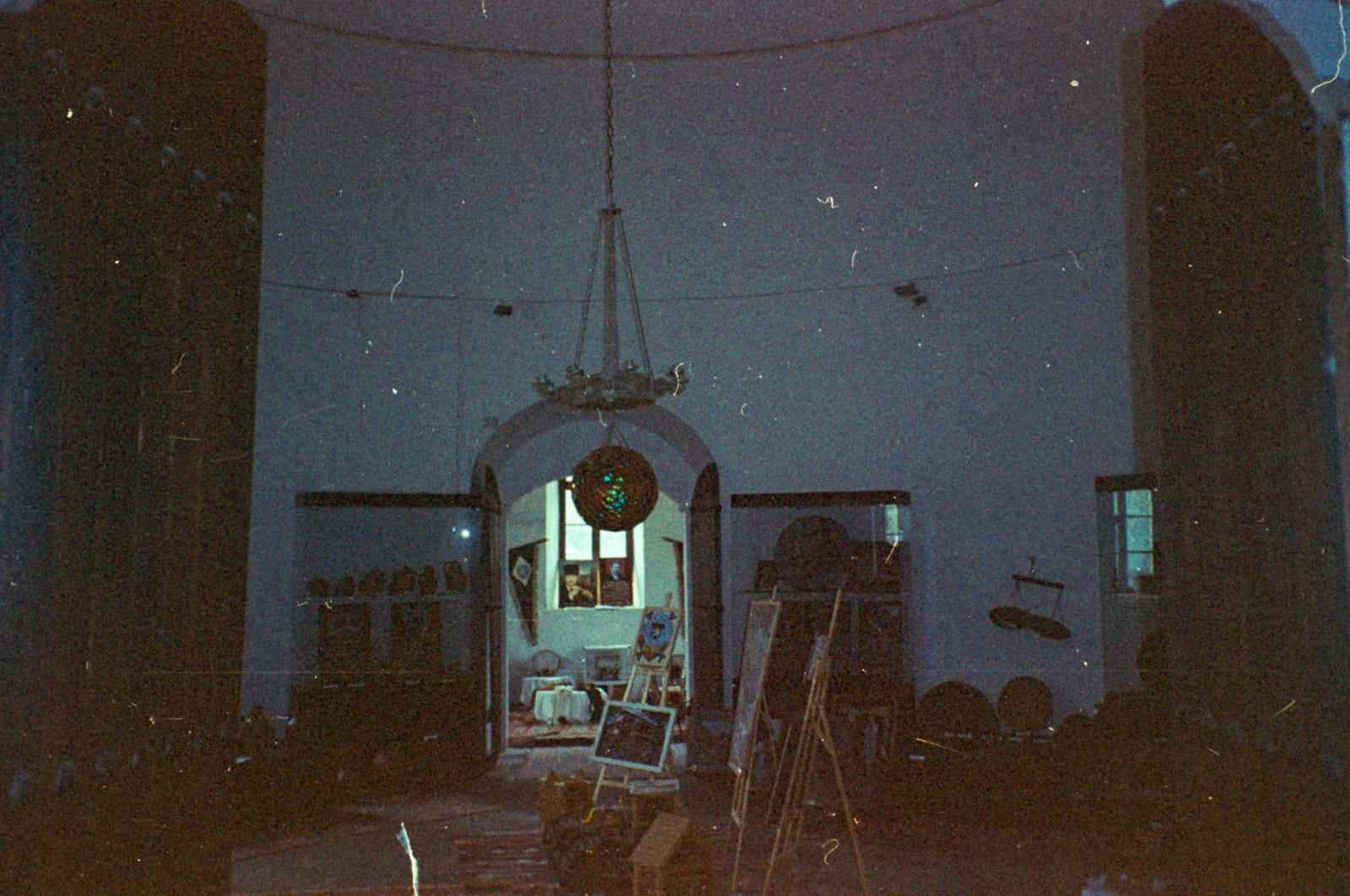
The most interesting part of the trip were the two churches we visited. The first one was Kurmukhi Church, an almost abandoned Albani church overlooking the plain of the river Kurmukhchay river that flows into the grand Kura which gives life to the region. I felt this is a special place. Inside was only one non-verbal man who was keeping the candles lit and the church alive. Azerbaijan is a Muslim nation, but they don’t care much about religion. Still, there are a few Christians left who try to revitalize these sacred spaces.
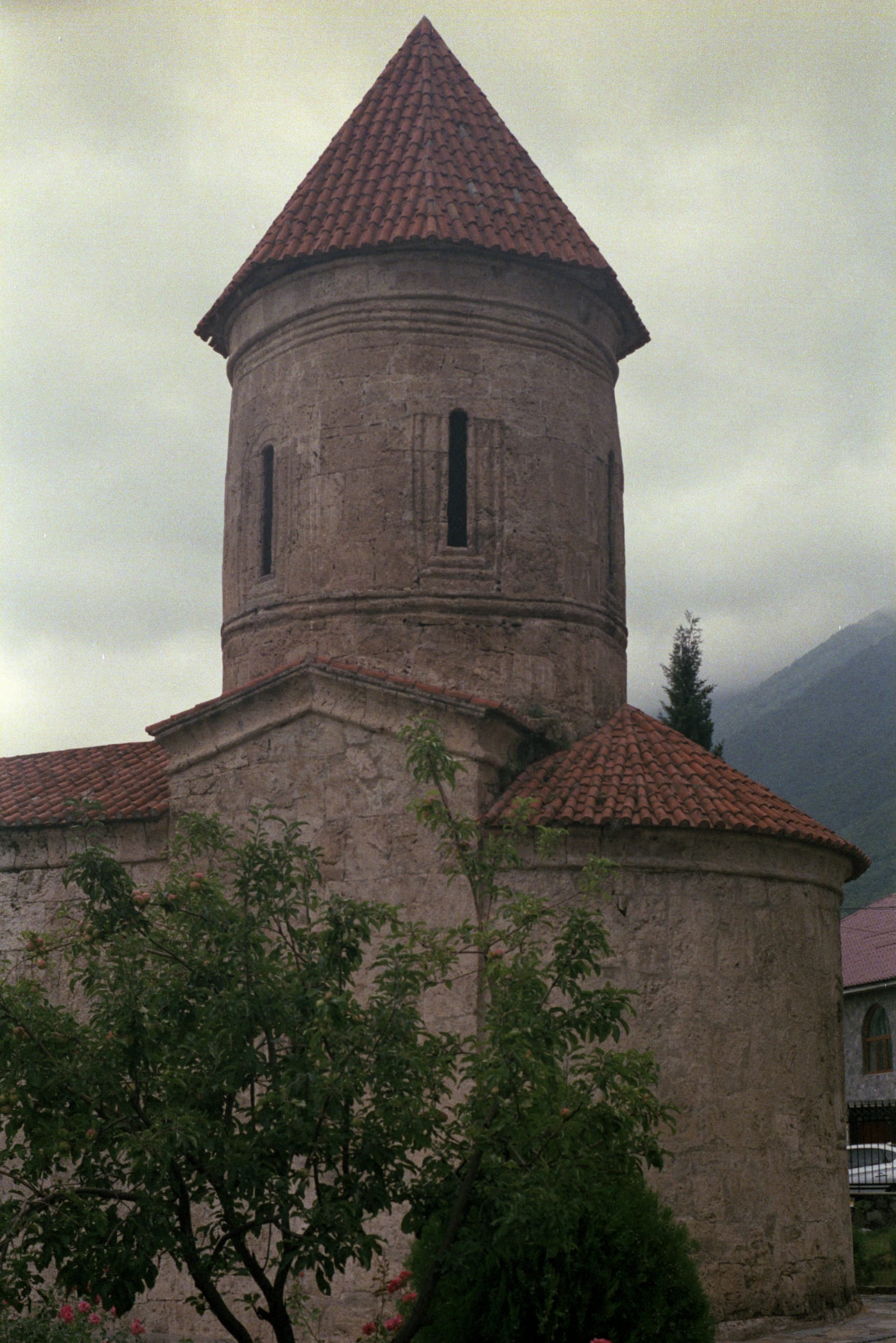
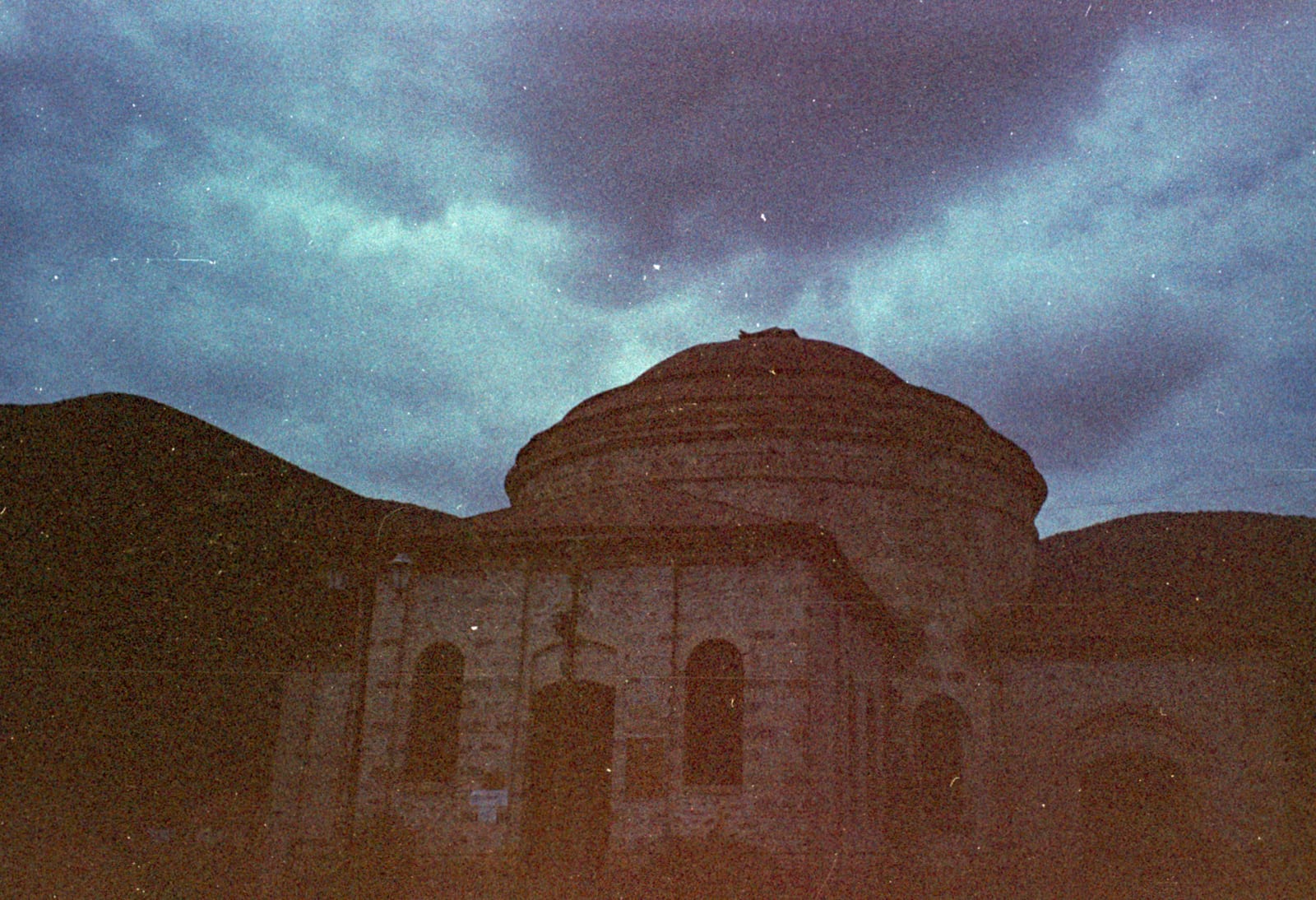
The second church was in the village above Sheki called Kish. It is an old Albani church that was a pagan temple before the arrival of Christianity. The building itself is not that interesting. What intrigued me was the story Azerbaijan developed around it. Our guide was adamant about how Armenians have destroyed this church in an effort to make it look more like one of their churches. That might be true, however, the zeal with which they tell their story, and the appropriation of Armenian culture in other parts of Azerbaijan makes me doubt that narrative. That aside, they have found something extremely interesting underneath the church. They found the tombs of ancient Albanis who were more than 2 meters tall, both women and men. They also had blond hair and eyes. This, plus the similarities between the rock art in Scandinavia and Gobustan, have made one Norwegian researcher think that Scandinavians came from Azerbaijan using ancient waterways. This researcher is called Thor Heyerdahl, and although his theories never found much support in the scientific community, to me it sounds like they could have some merit.
The trip to Sheki was definitely a highlight of my time in Azerbaijan, and I’m looking forward to returning here one day.