14 July 2023
Tales of Yerevan
You know those times when something bad happens but it instantly makes you go after something you have been postponing for a while? I couldn’t stay in my apartment in Tbilisi for Christmas and New Year, so I finally decided to go to Yerevan and explore Armenia for a bit.
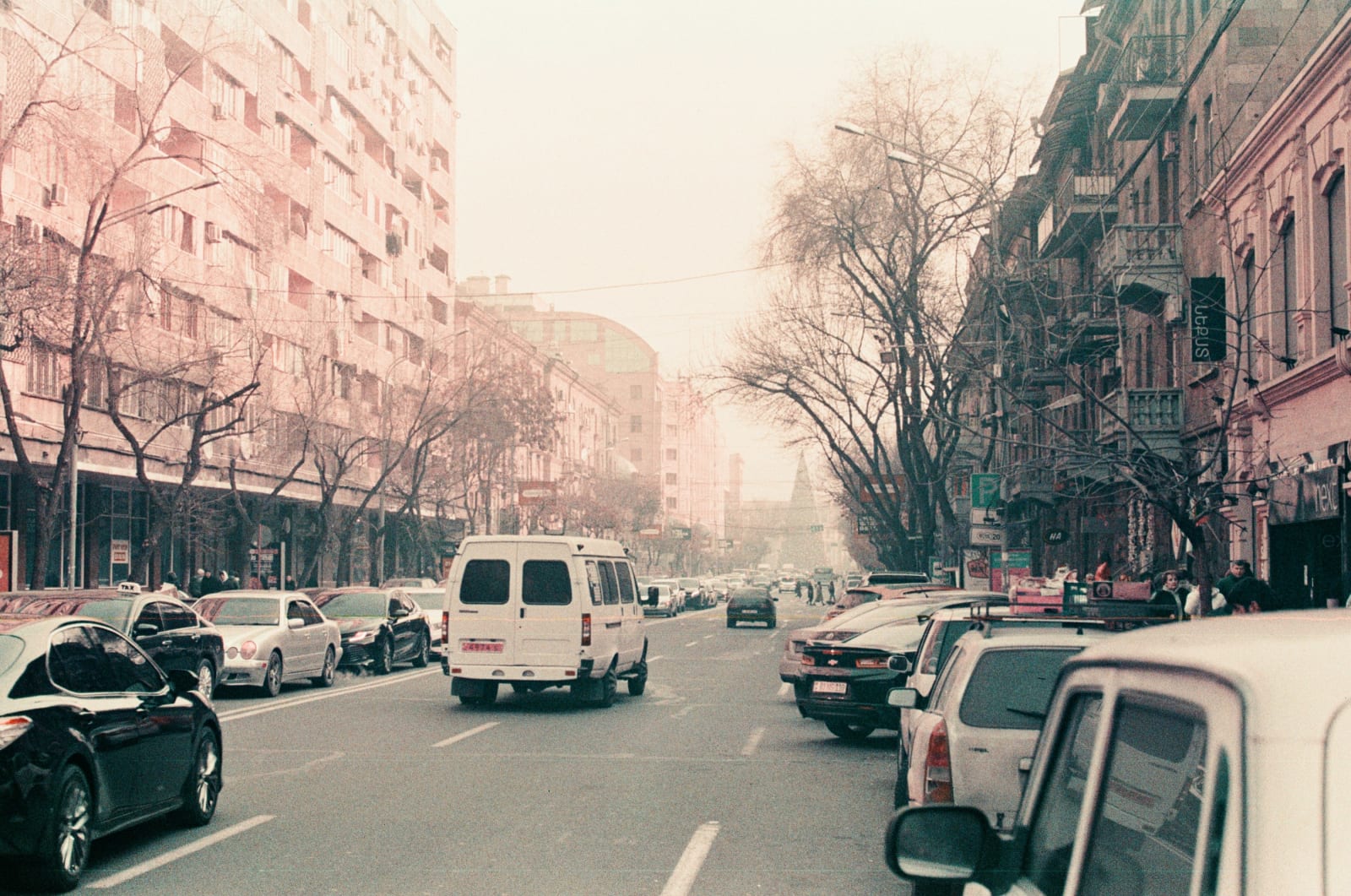
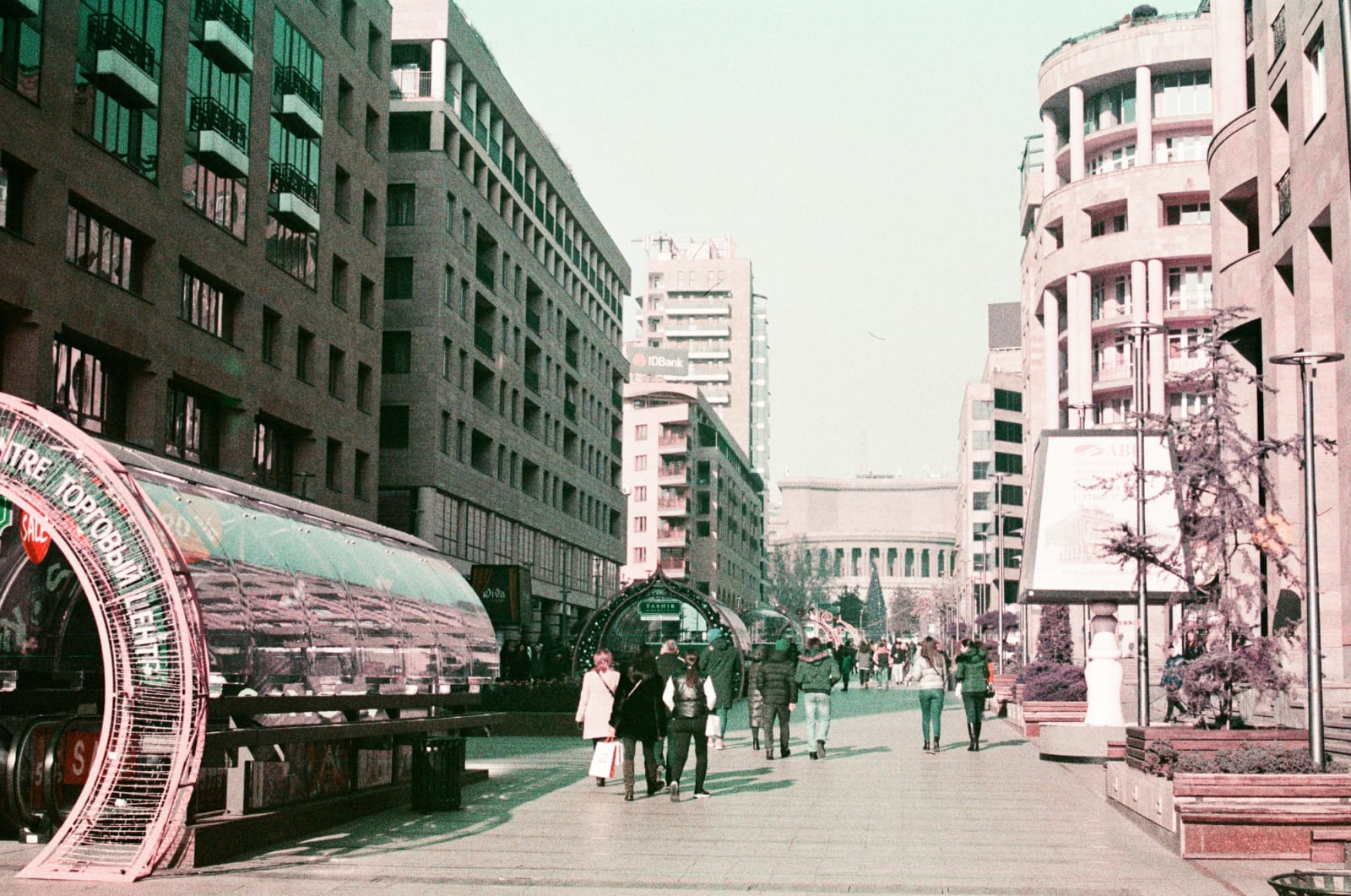

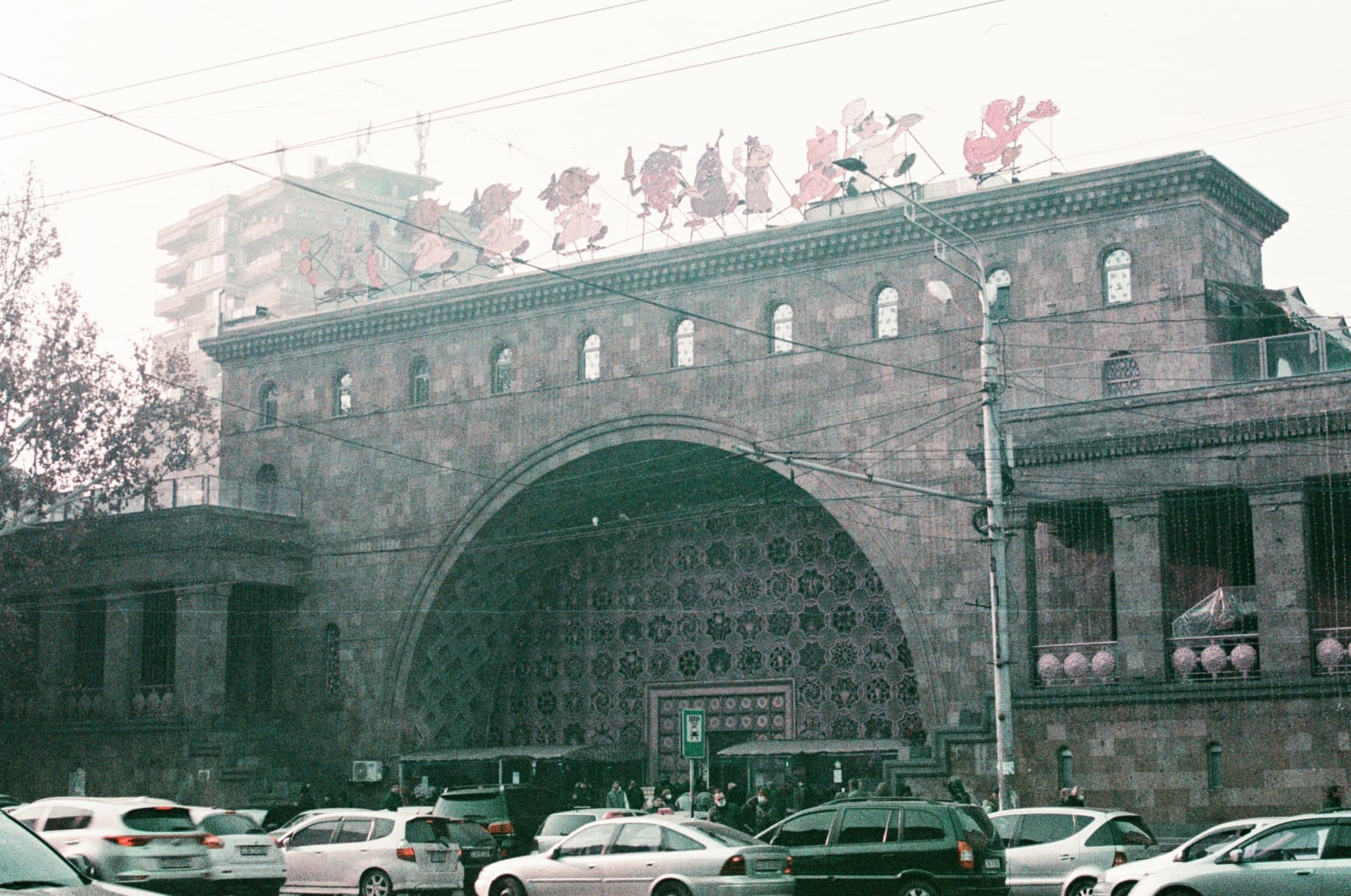
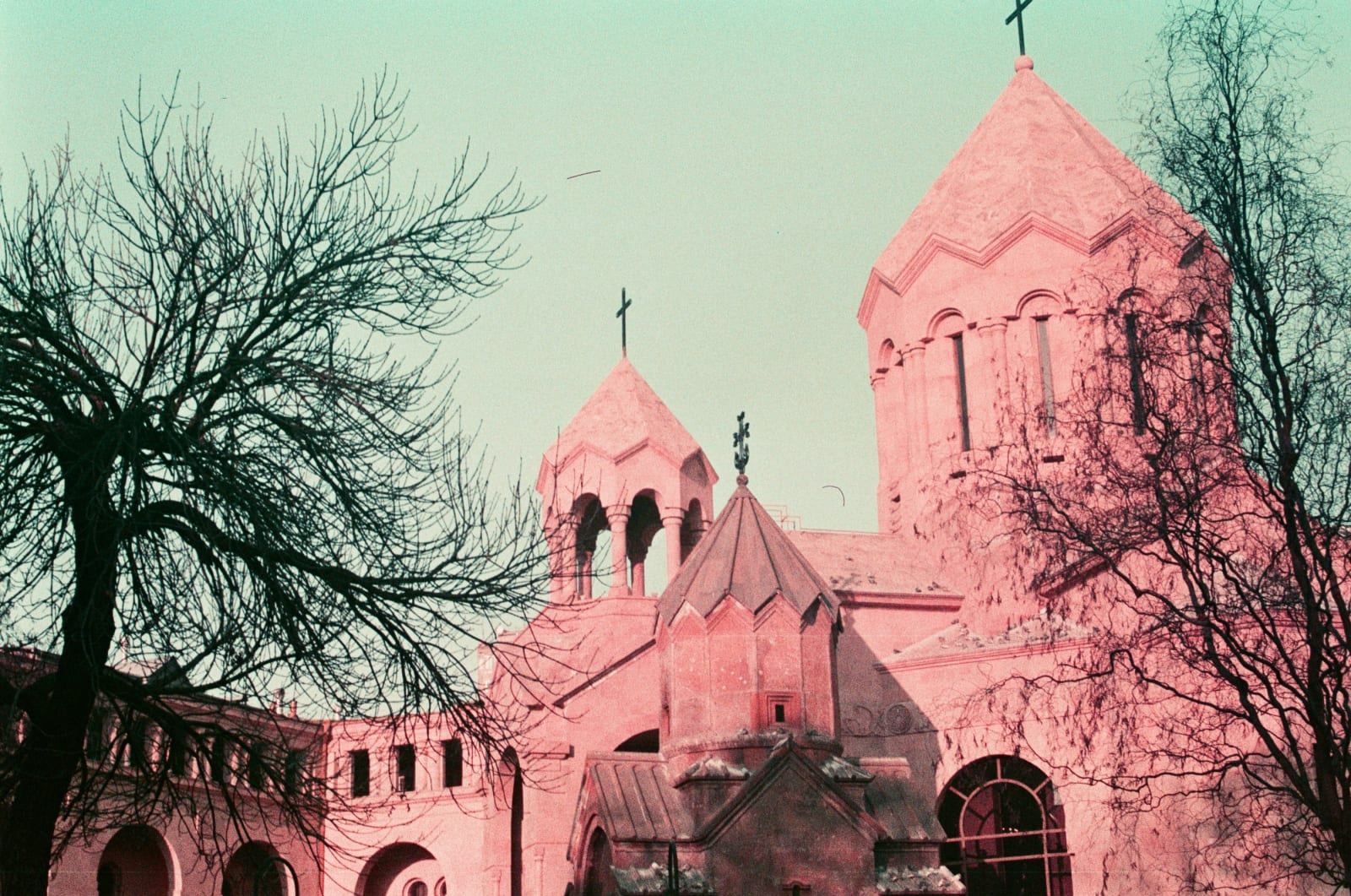
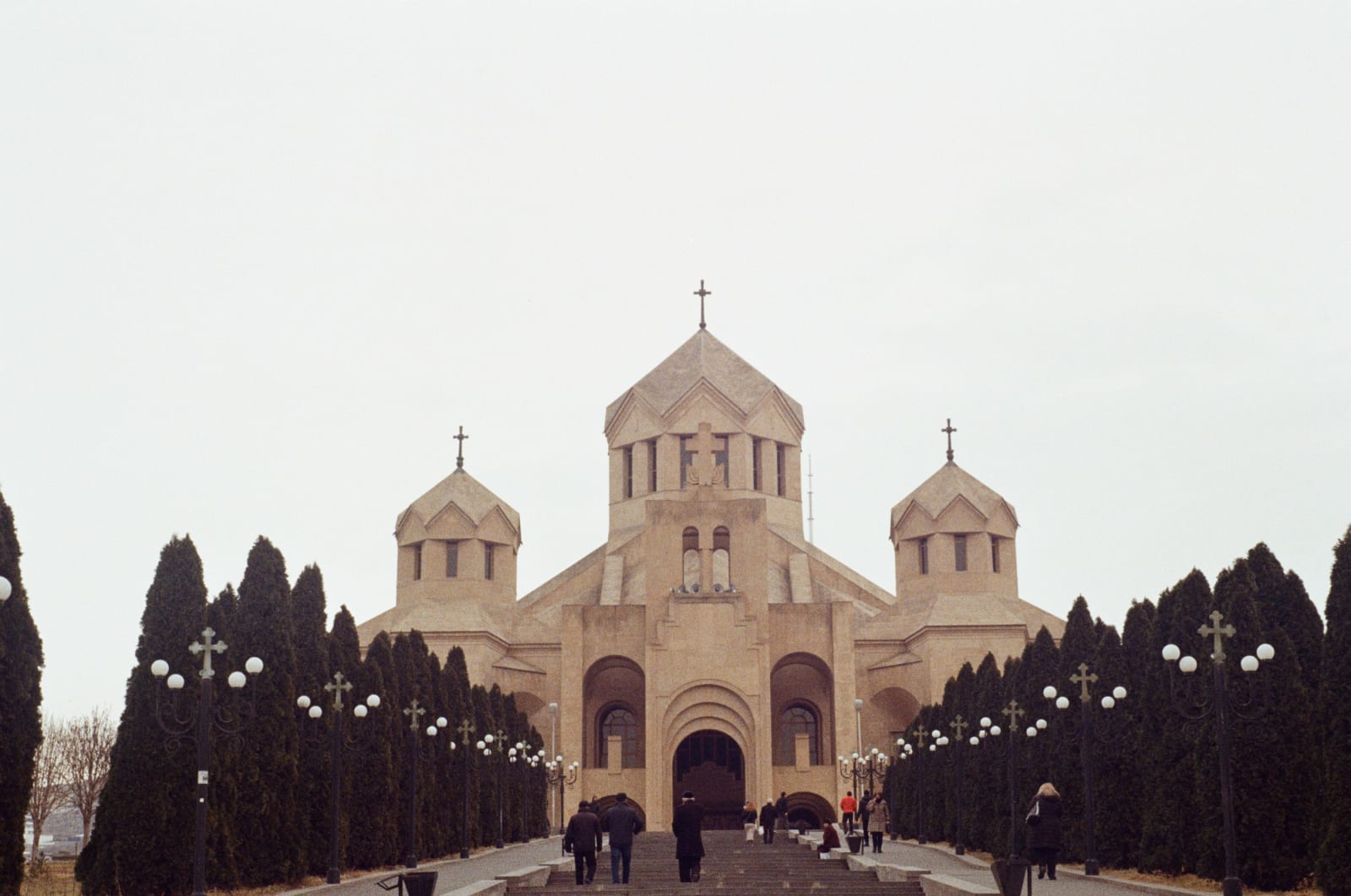
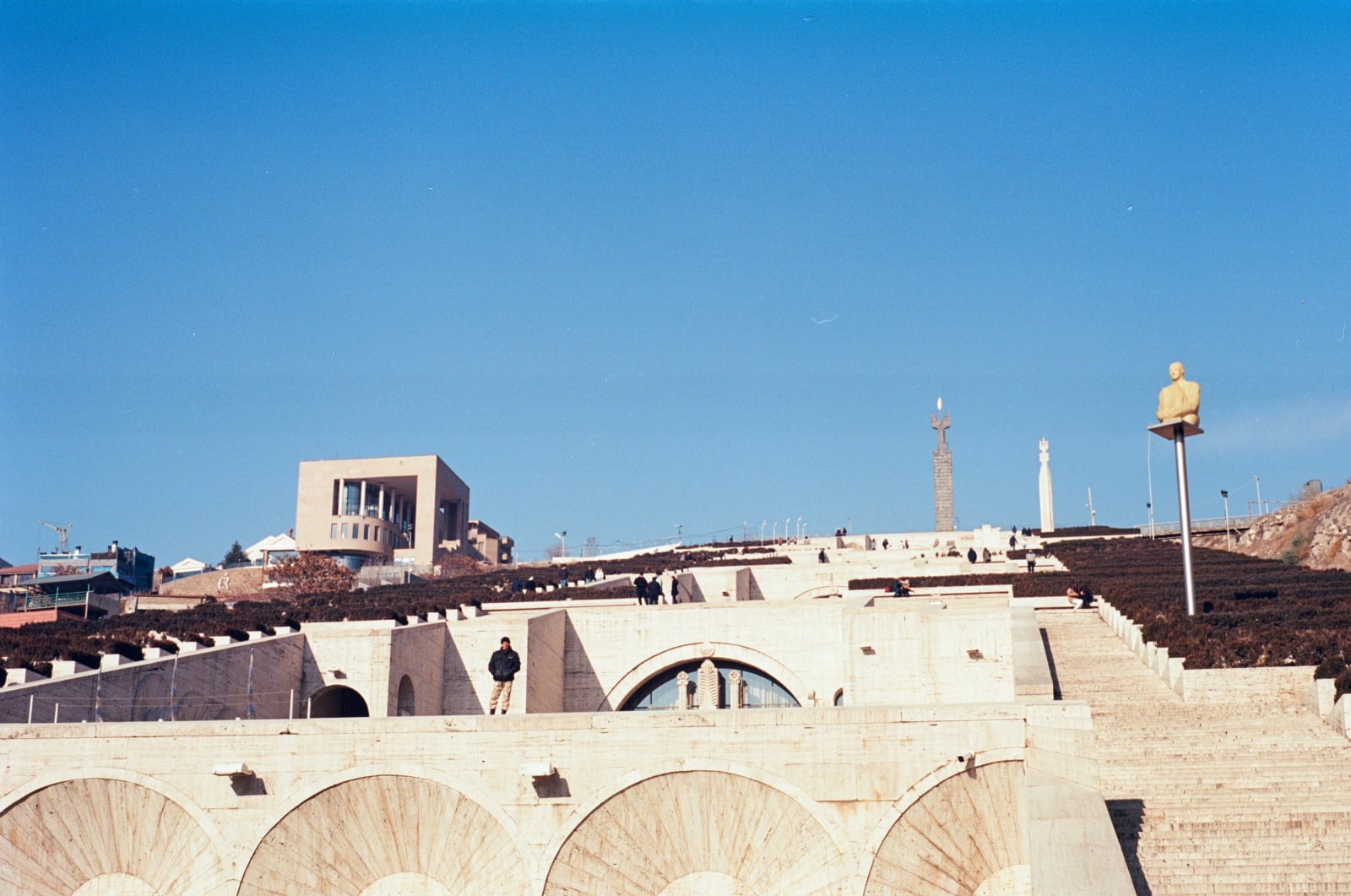
Below are the famous Cascades
In my mind, Armenia has always been an exception, a strange Christian nation right on the border of the Islamic world. To this day they are still resisting foreign efforts of conquest. Armenians live all over the world, telling us the story of resistance, hardship, and slow loss of land. It isn’t surprising that Armenians are one of the leading inventors in the world, as their ingenuity is shaped by centuries of struggle. They are also deeply rooted in tradition and proven values, which certainly helps their imagination to wander and their discipline to shine.
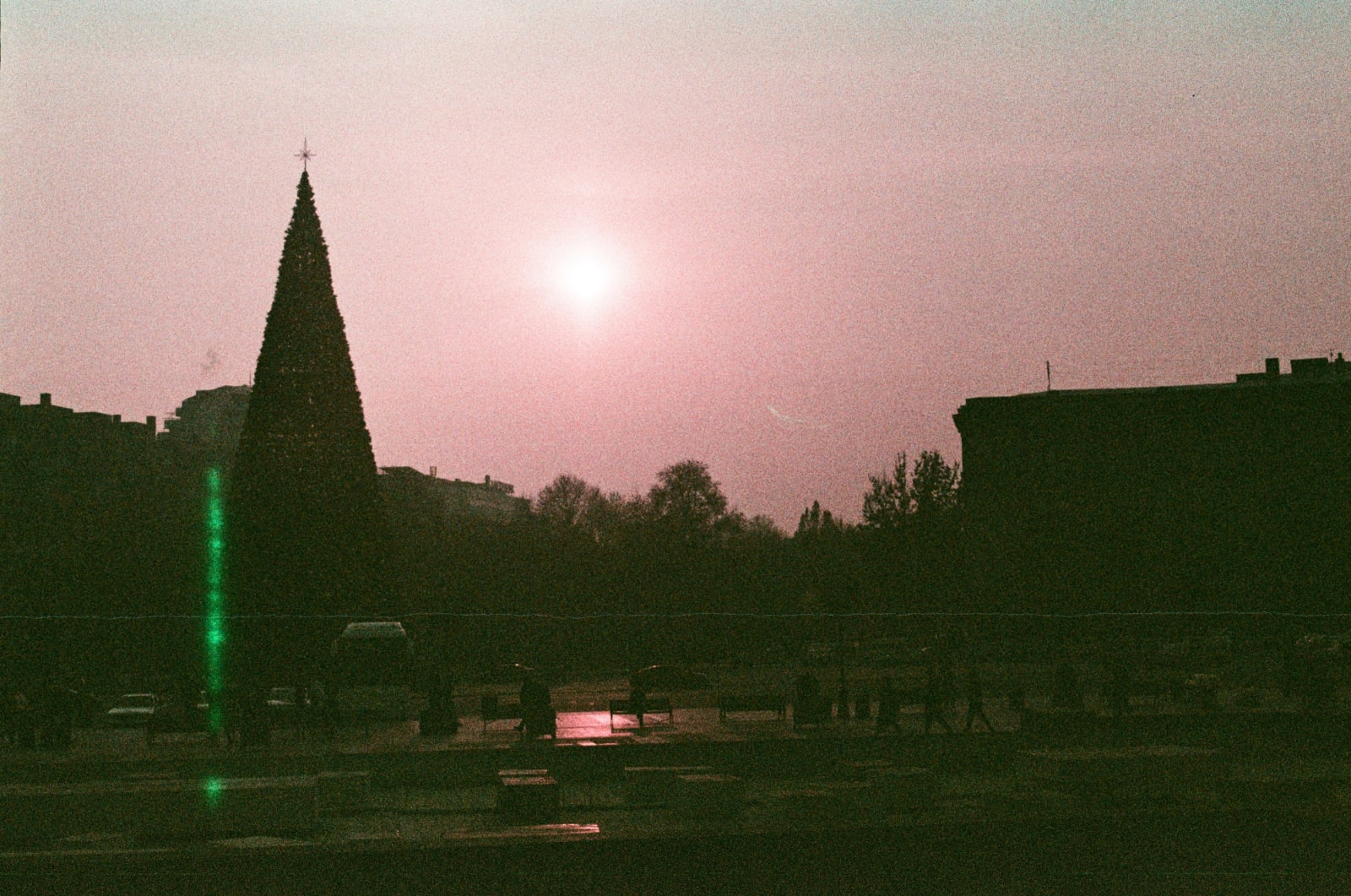

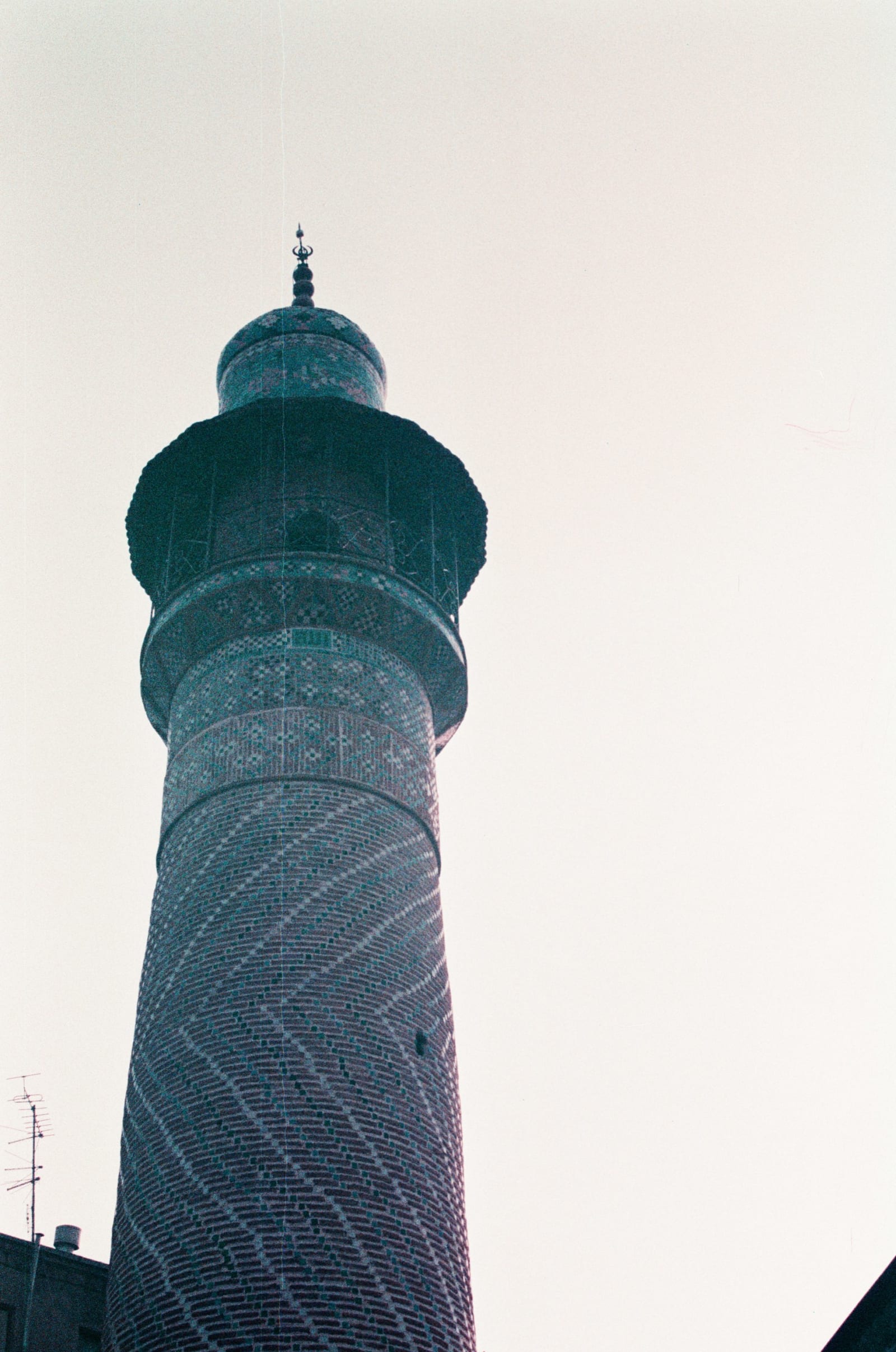
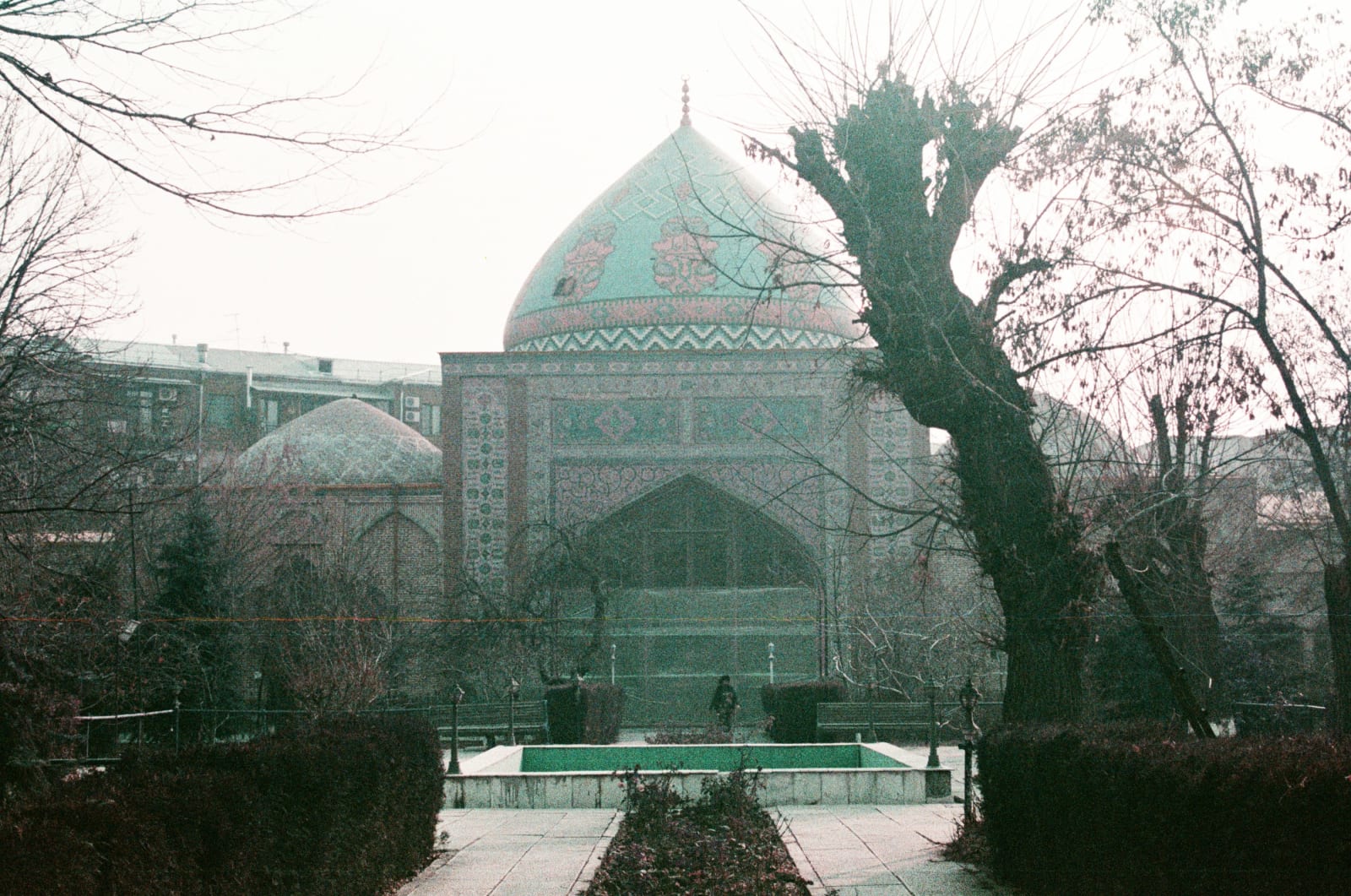
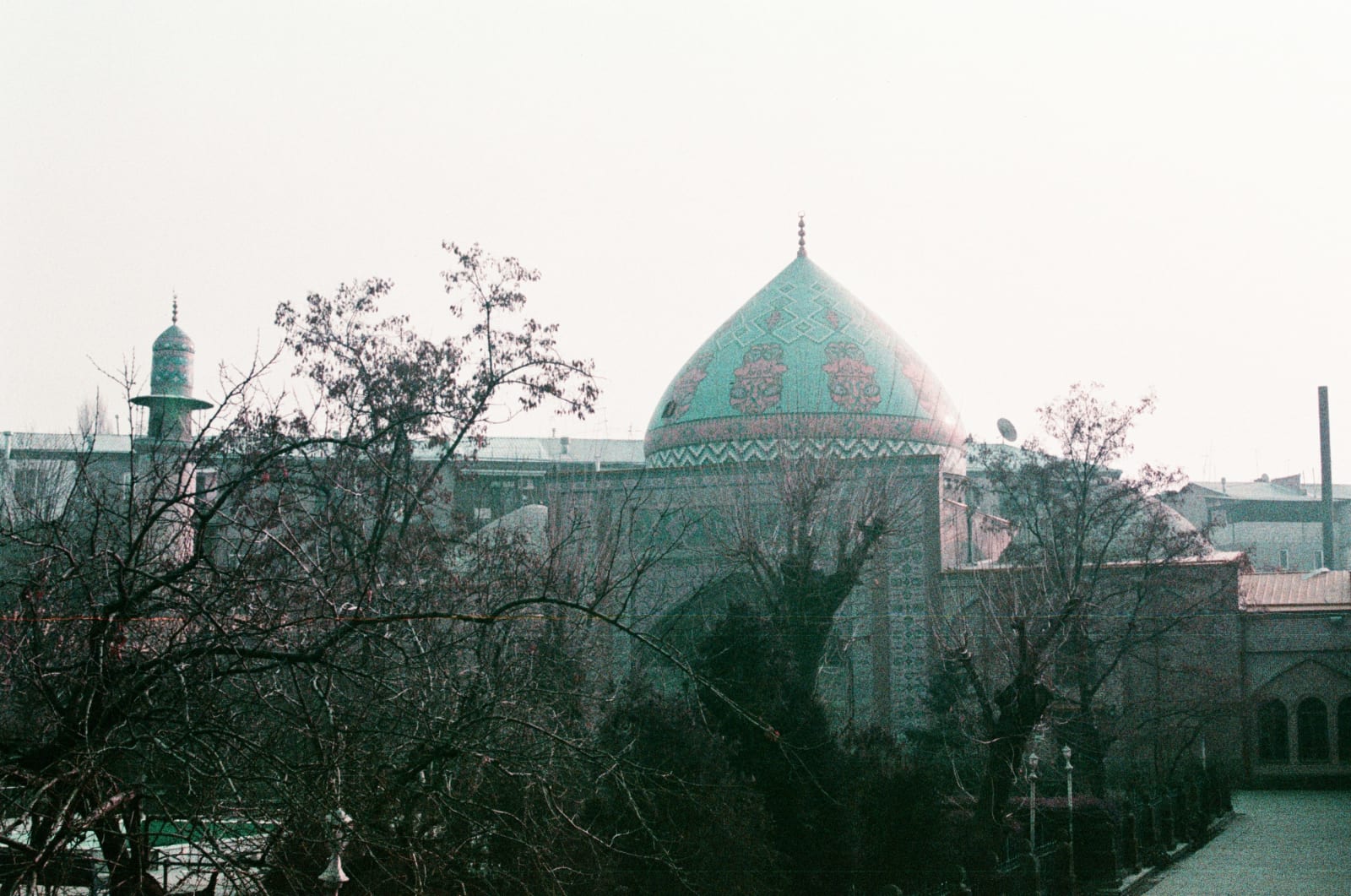
Clouds of Sorrow
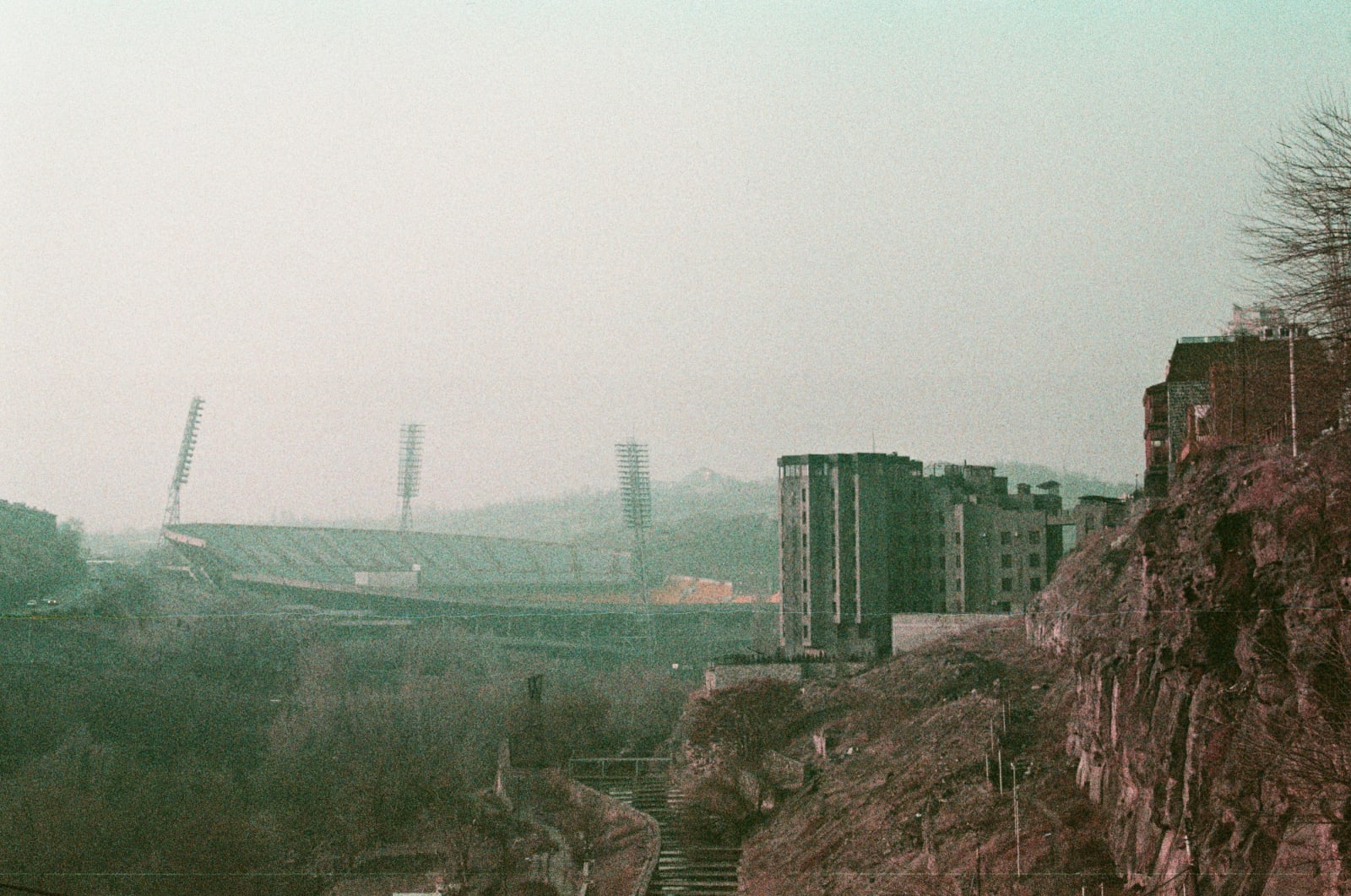
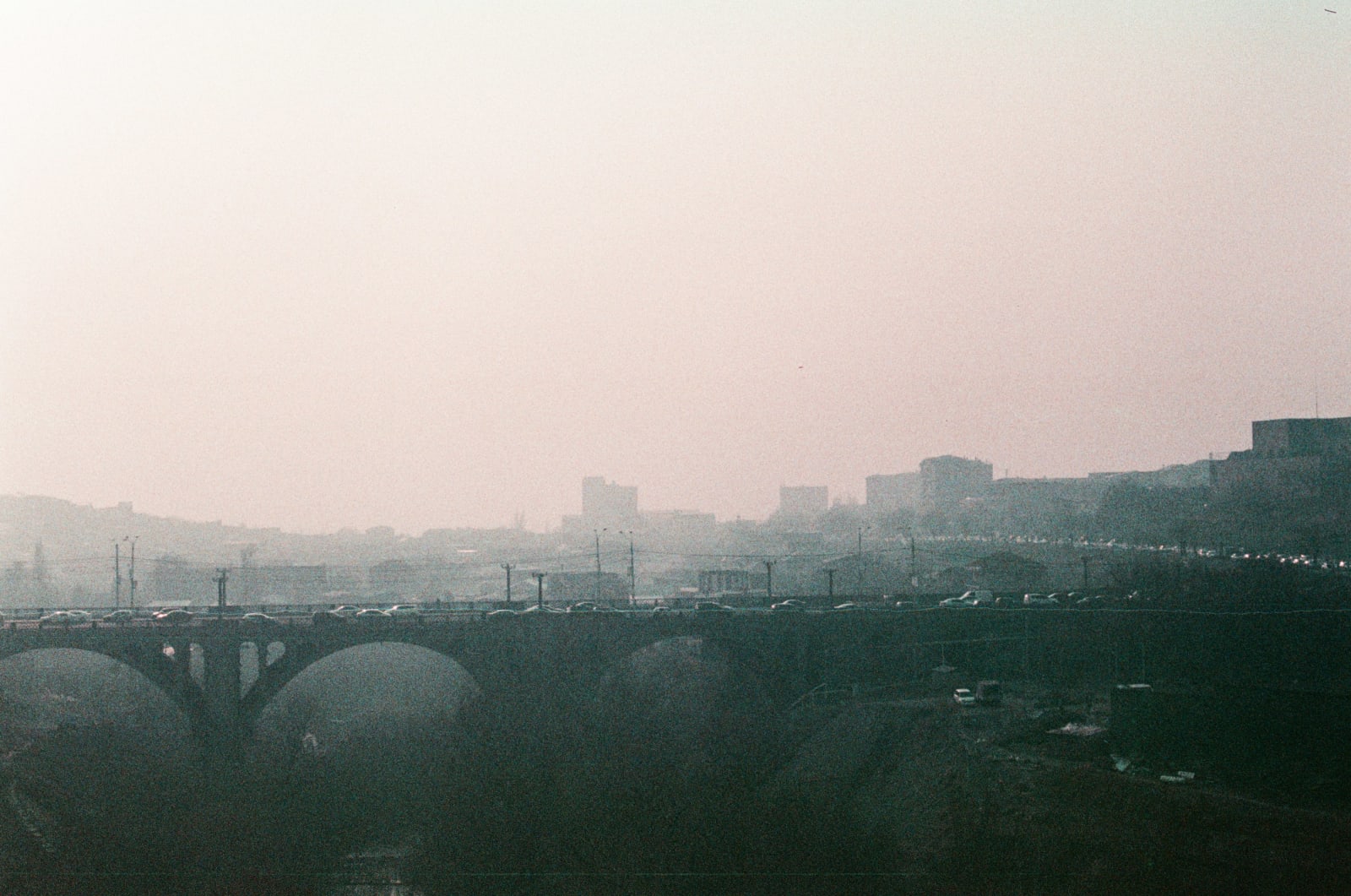
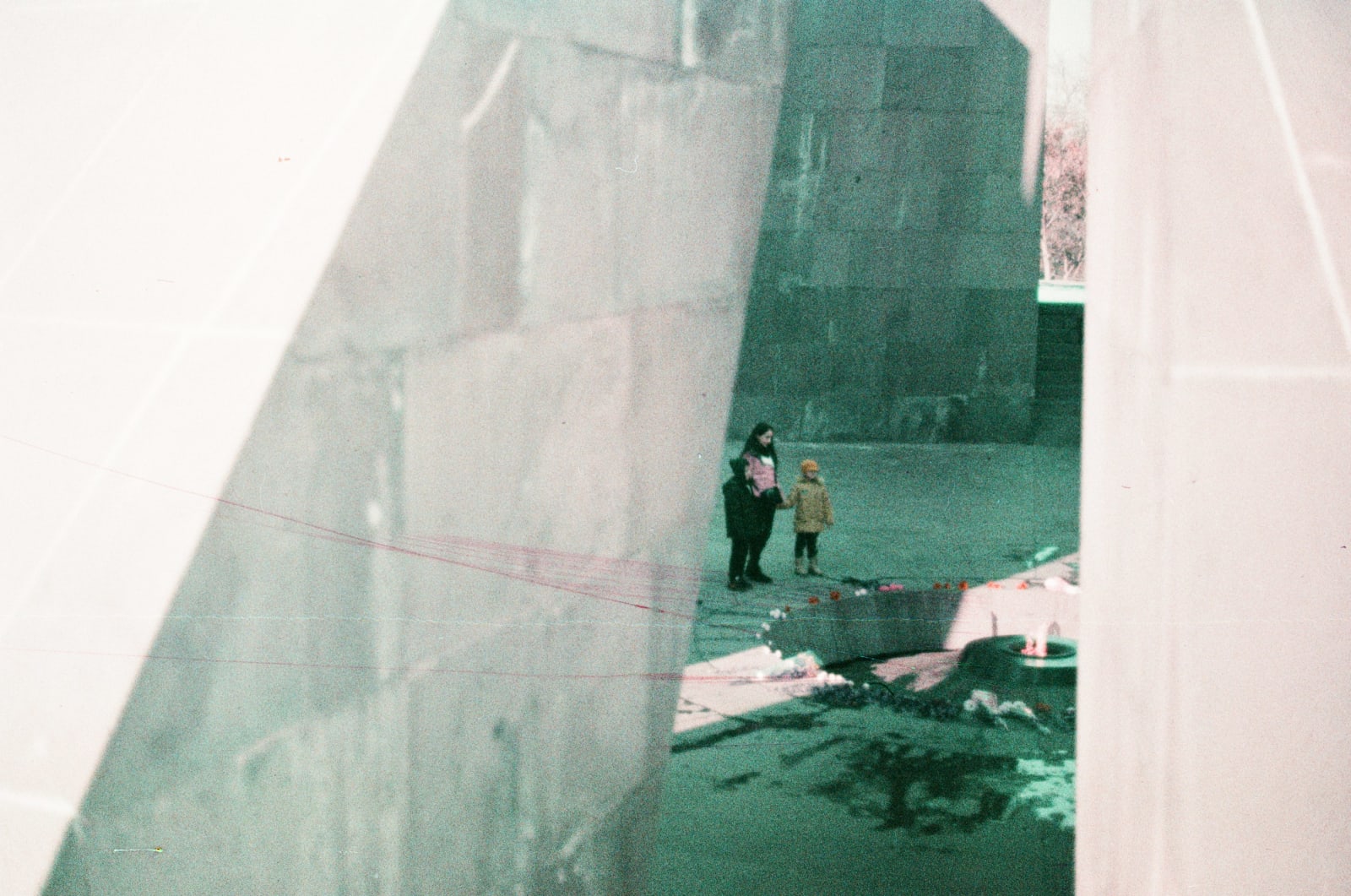
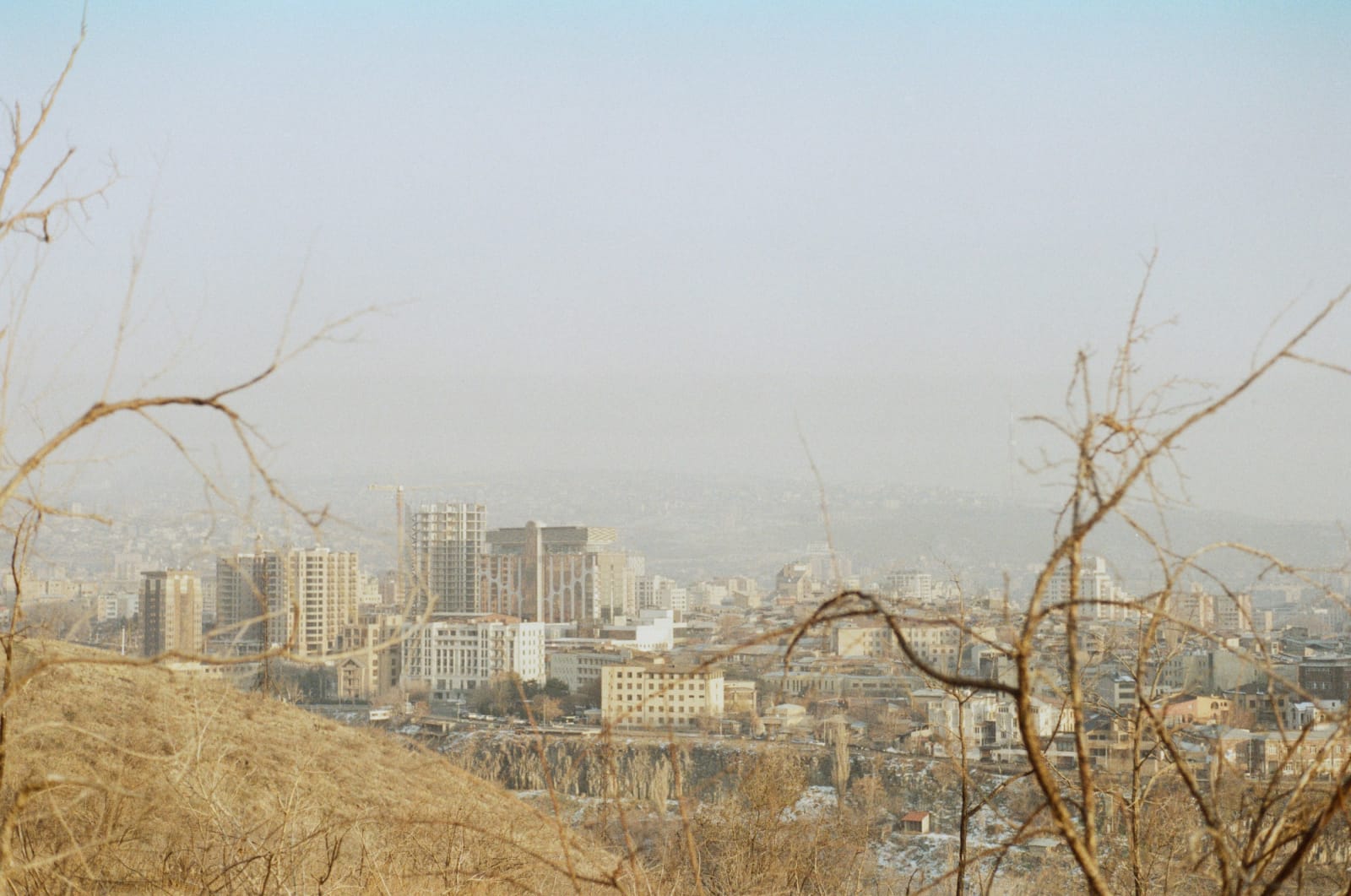
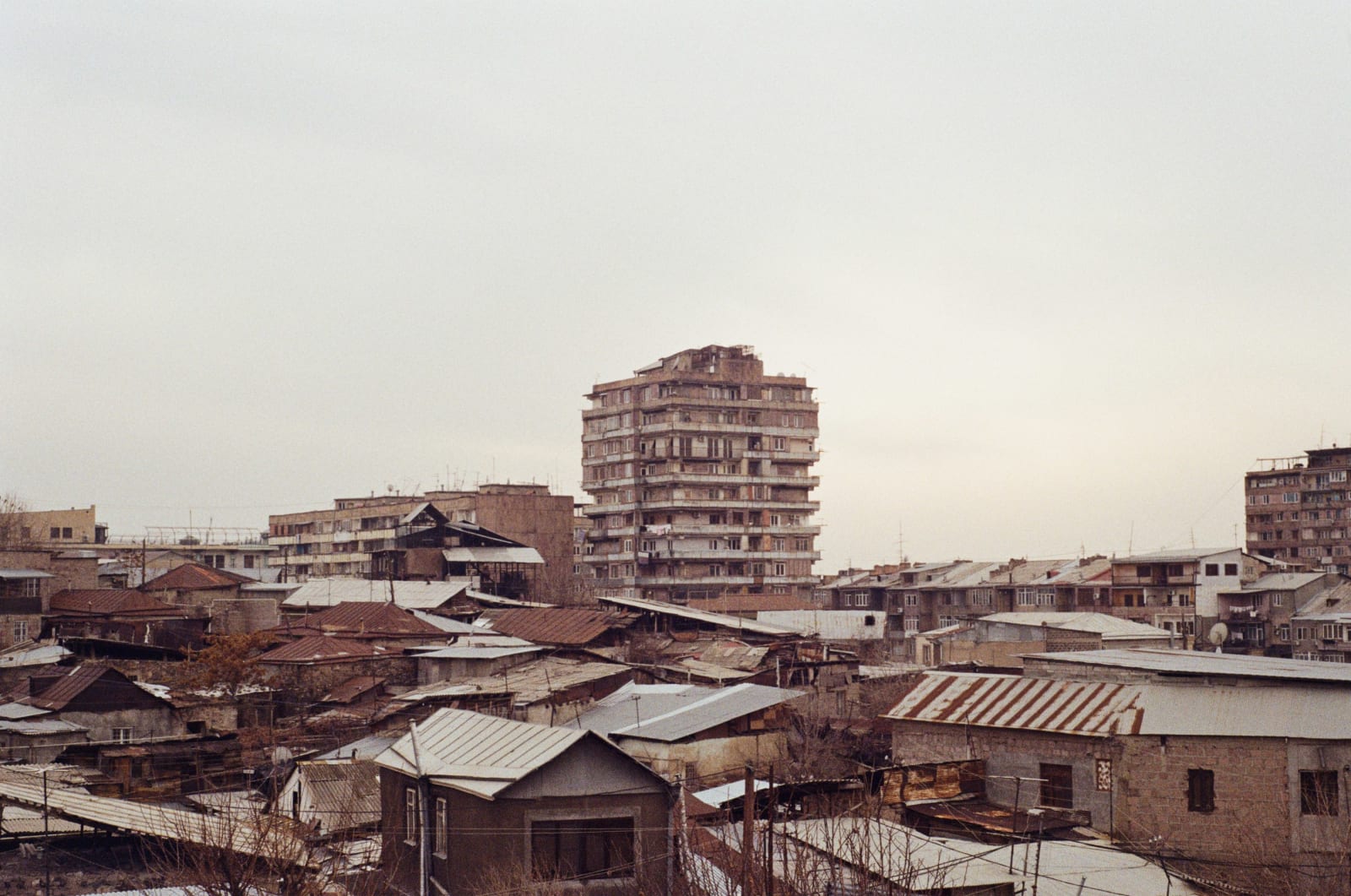
As soon as I arrived in Yerevan I felt clouds of sorrow looming over the city. The conflict with Azerbaijan could escalate at any moment and spread onto their territory, and their people across the border in the Republic of Artsakh were suffering daily. Armenian faces on the street were somber, the voices of taxi drivers were bitter, and even the Christmas lights couldn’t wash away the melancholy. But don’t get me wrong, beneath the burden of a decades-long war and efforts to exterminate their identity, Armenians are still standing strong and proud. Among them, I felt the warmth of an ancient hearth whose fire cannot be extinguished.
People of Armenia
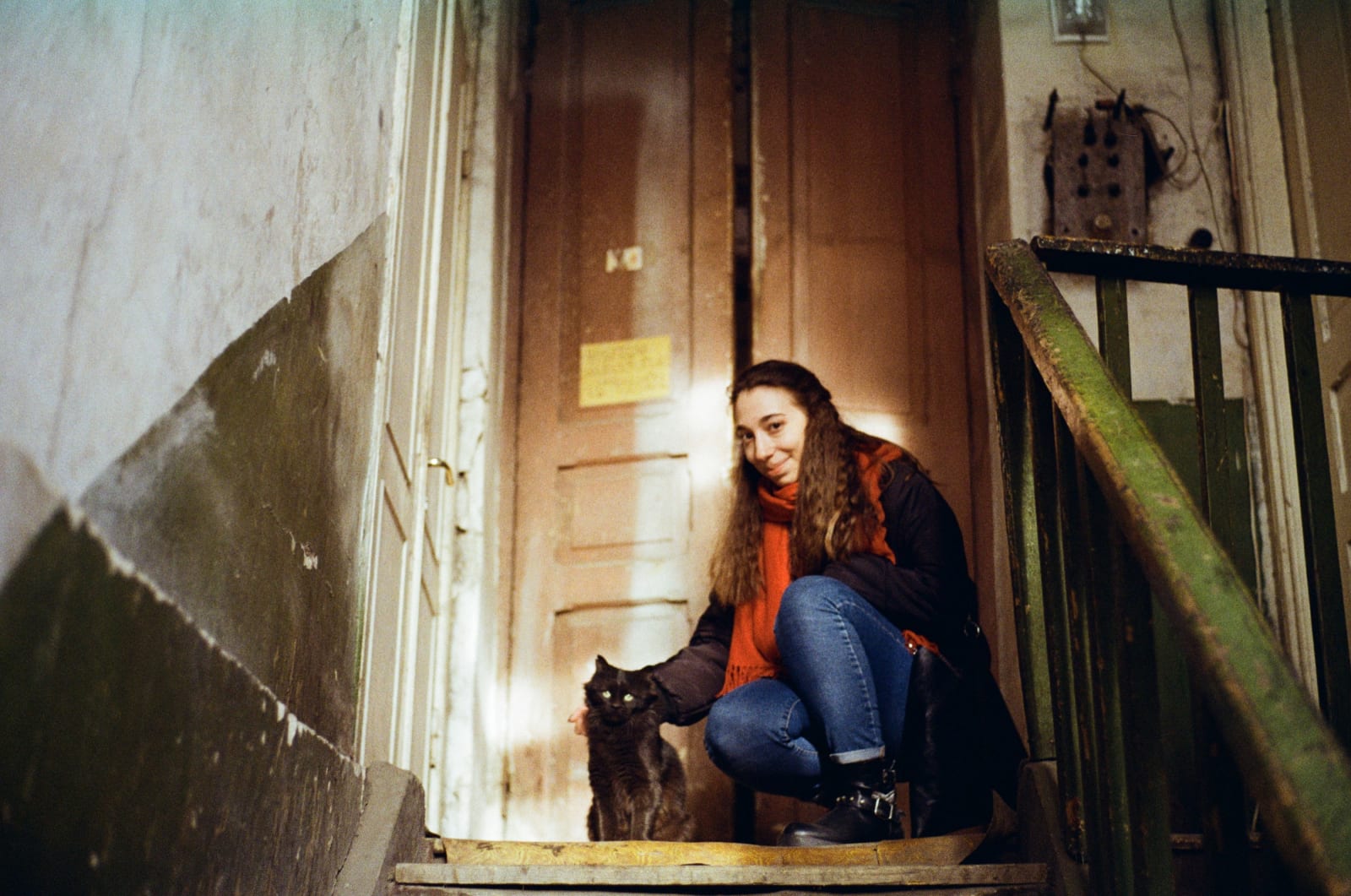
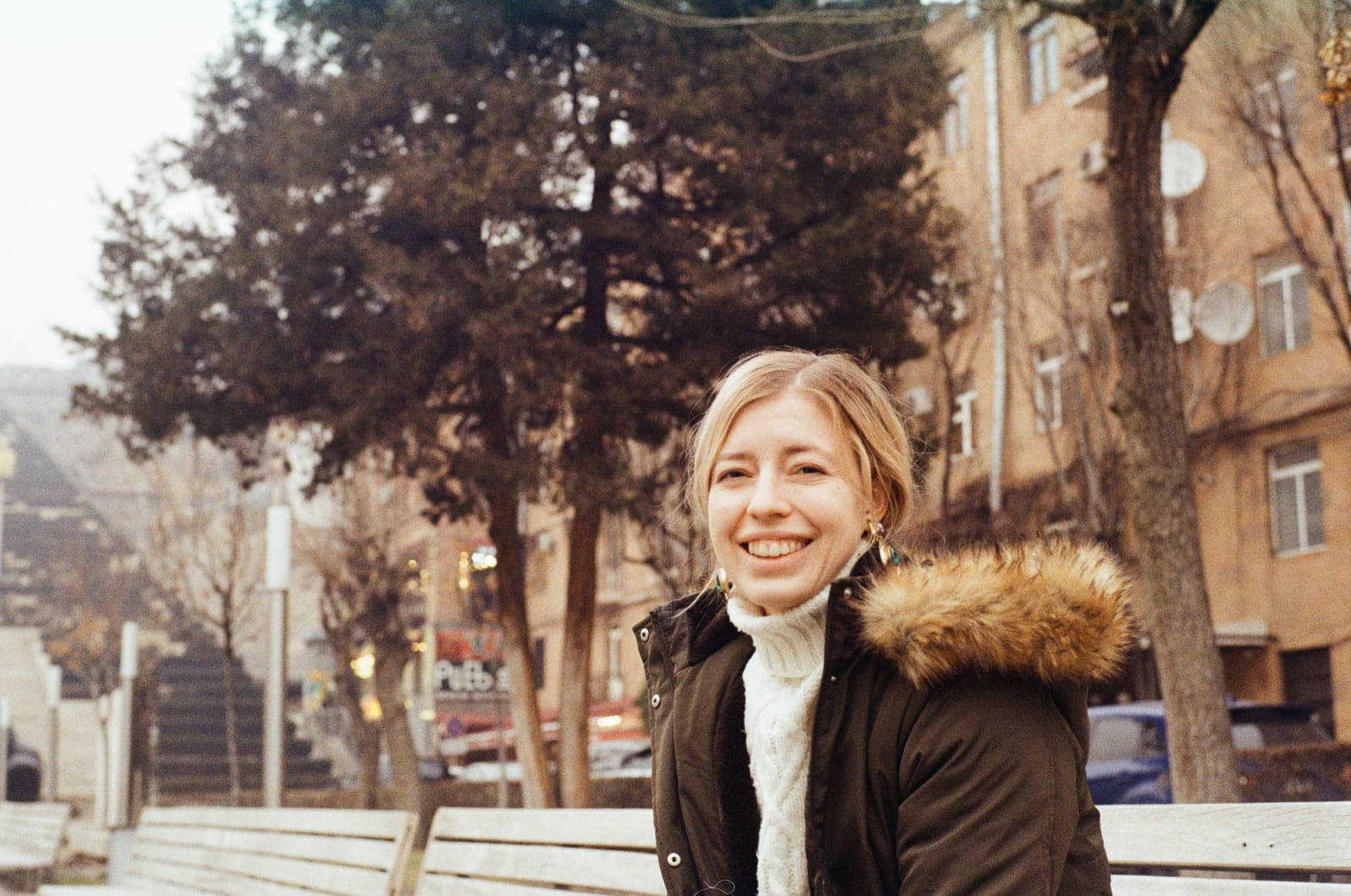
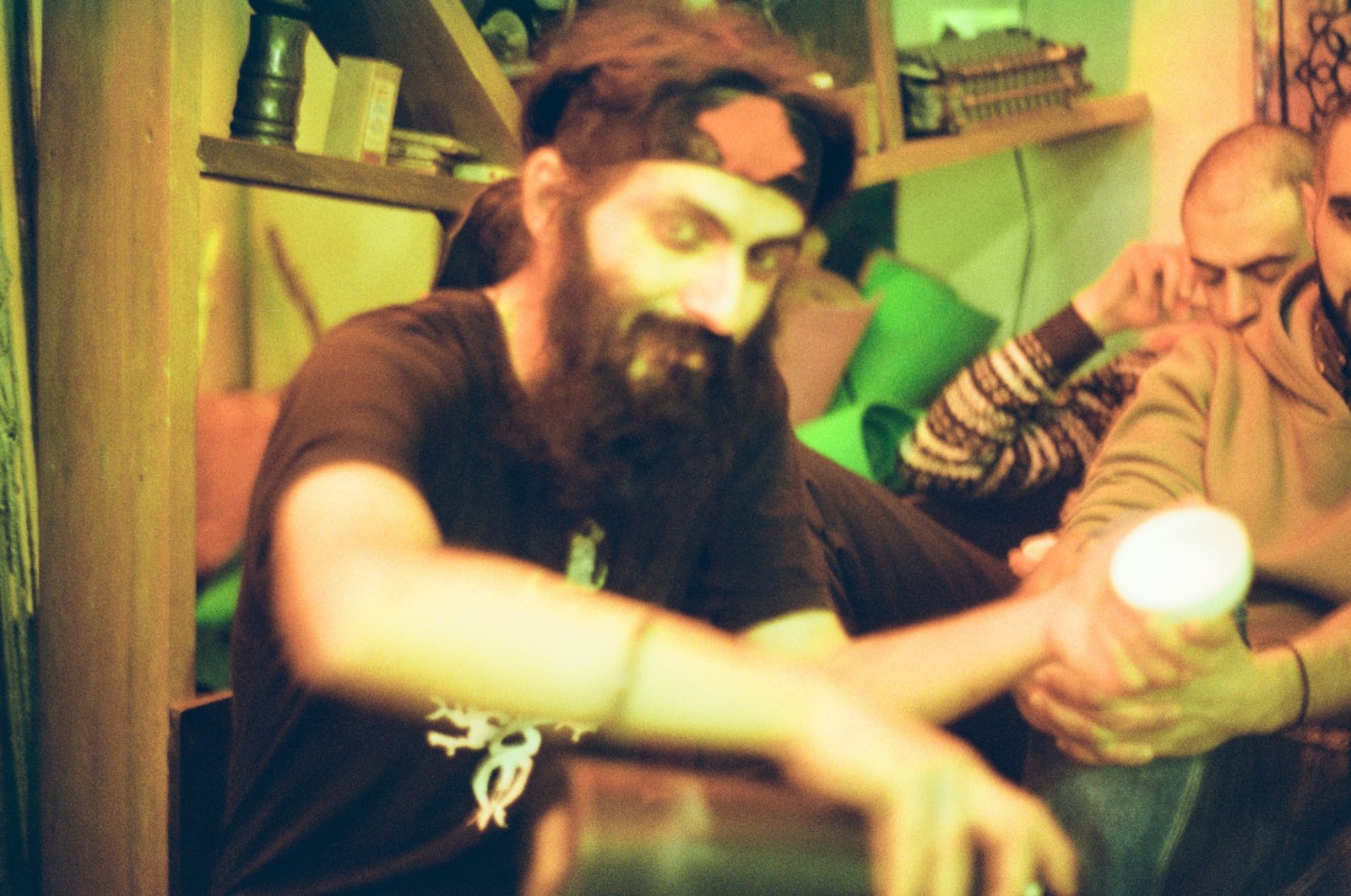
I met many wonderful people in Yerevan. Most of them were in the house of Yoga, where I participated in the tea ceremony. Armenians are magical people, I feel as if next to them everything is amped in intensity. I’m sure they will have a bright future.

The Pagan Past
Luck helped me a lot to meet Natalia. She knows a lot about the history of her people, but most importantly, she has a lot of love for everything Armenian. Before Christianity came to these lands, ancient Armenians had a rich mythology full of their own gods, dragons, and fairies. Natalia was telling me about the Dragon Stones of Armenian Highlands or Vishaps that were all over these lands at one point. She told me about the temples and monuments that are not unfortunately lost across the border between Turkey and Azerbaijan.
Armenians call their country Hayastan, after their Hero Hayk who defeated the Babylonians in the 3rd millennia BC and established a kingdom around Ararat. According to the legend, he is a great-great-grandson of Noah who is now mostly known as a figure in Abrahamic religions, but his myths go back much further. Descendants of Hayk pride themselves in this heritage, while their biggest sacred places lay outside of their borders. Ilandagh is a peak in Nakhchivan that is famously cleft by Noah’s boat during the Great Flood, and Ararat, a place where Noah allegedly landed is now in Turkey. Ararat is on the Armenian emblem, money, postcards, etc. Every morning they have to look at their most important sacred place basking in sunlight from across the border.
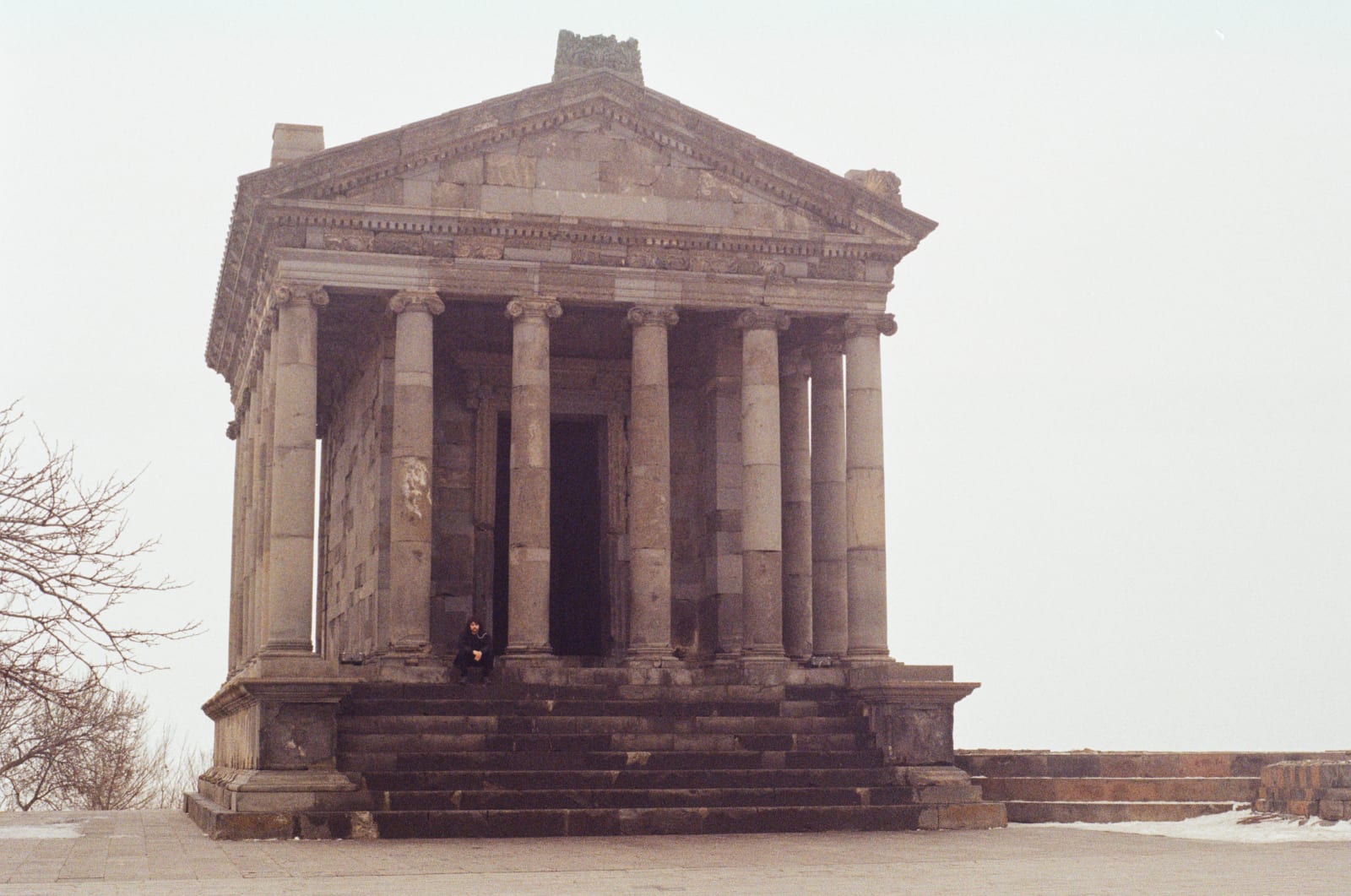
I visited Garni with Janita, a fellow astrologer and now a good friend of mine. The temple was originally dedicated to the God of the Sun, Mihr, but after Armenia converted to Christianity it was repurposed as the summer house for a princess. That is the only reason why it survived, while other such pagan structures were destroyed. Now it is the central temple of Hetanism, a neo-pagan movement that wants to revive ancient Armenian beliefs and rituals.