6 April 2023
Tales of Tbilisi
Why did I even go to Tbilisi?
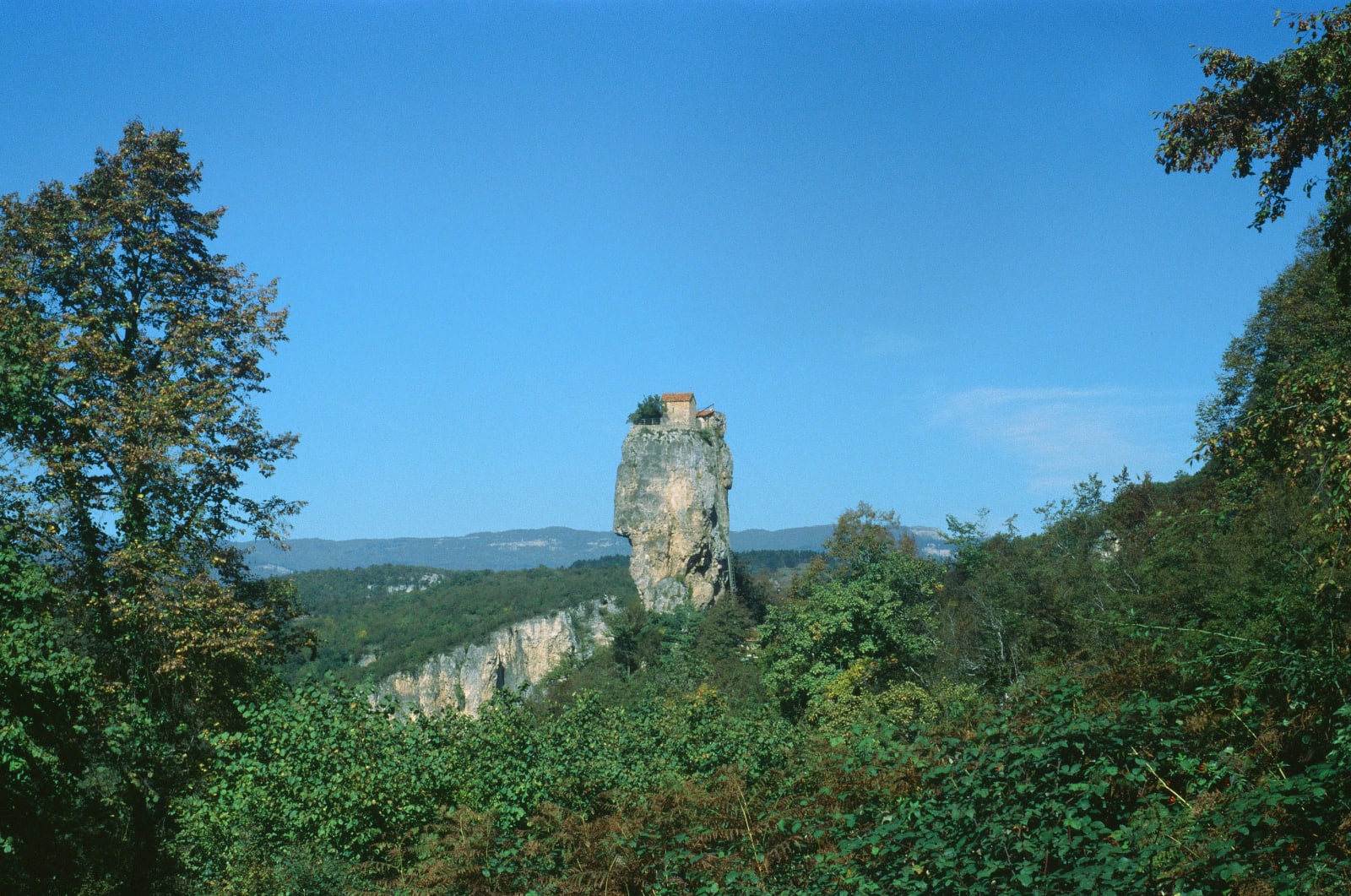
A bit heartbroken and eager to leave Rab, I wanted to go wherever my gut takes me. It was the summer of 2021, and I newly subscribed to a dating app that allows you to connect with people from abroad. Impatient to get over my ex, I went to test the waters in two different countries, Nepal and Georgia. My good friend was staying in the foothills of the Himalayas for three months, and I thought it might be a good idea to join him. As for Georgia, I have been fantasizing about visiting the entire Caucasus region ever since I did a bit of research a few years ago. I feel a special connection to isolated hermitages, so the Katskhi Pillar in central Georgia was often on my mind as well.
In the end, a tarot session decided where I will go. Divination doesn’t make decisions for me anymore, but at the time, my foggy mind couldn’t speak to the heart on its own.

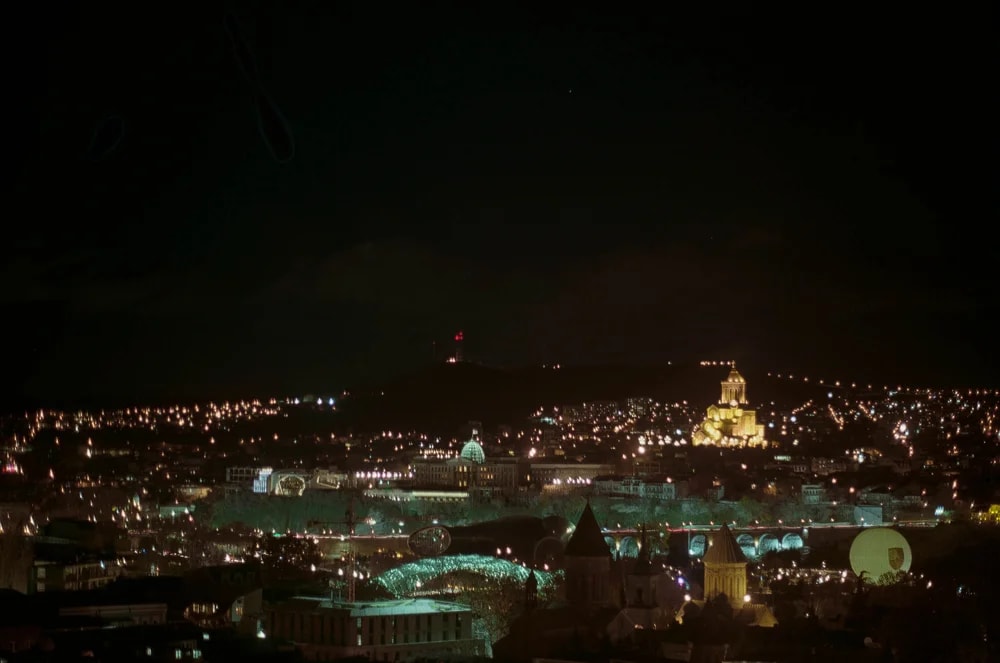
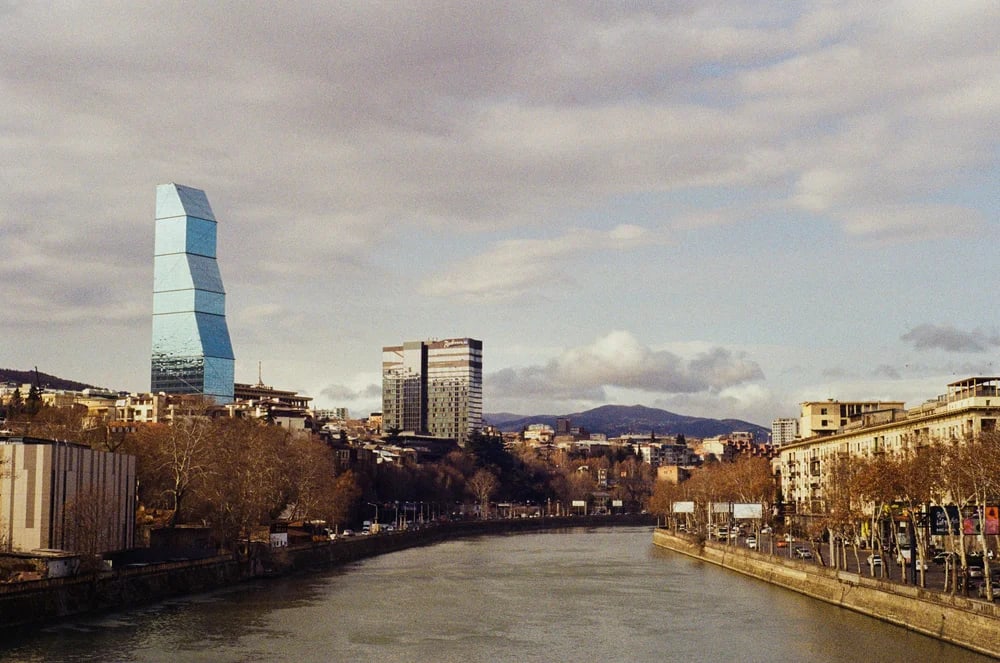
In Tbilisi
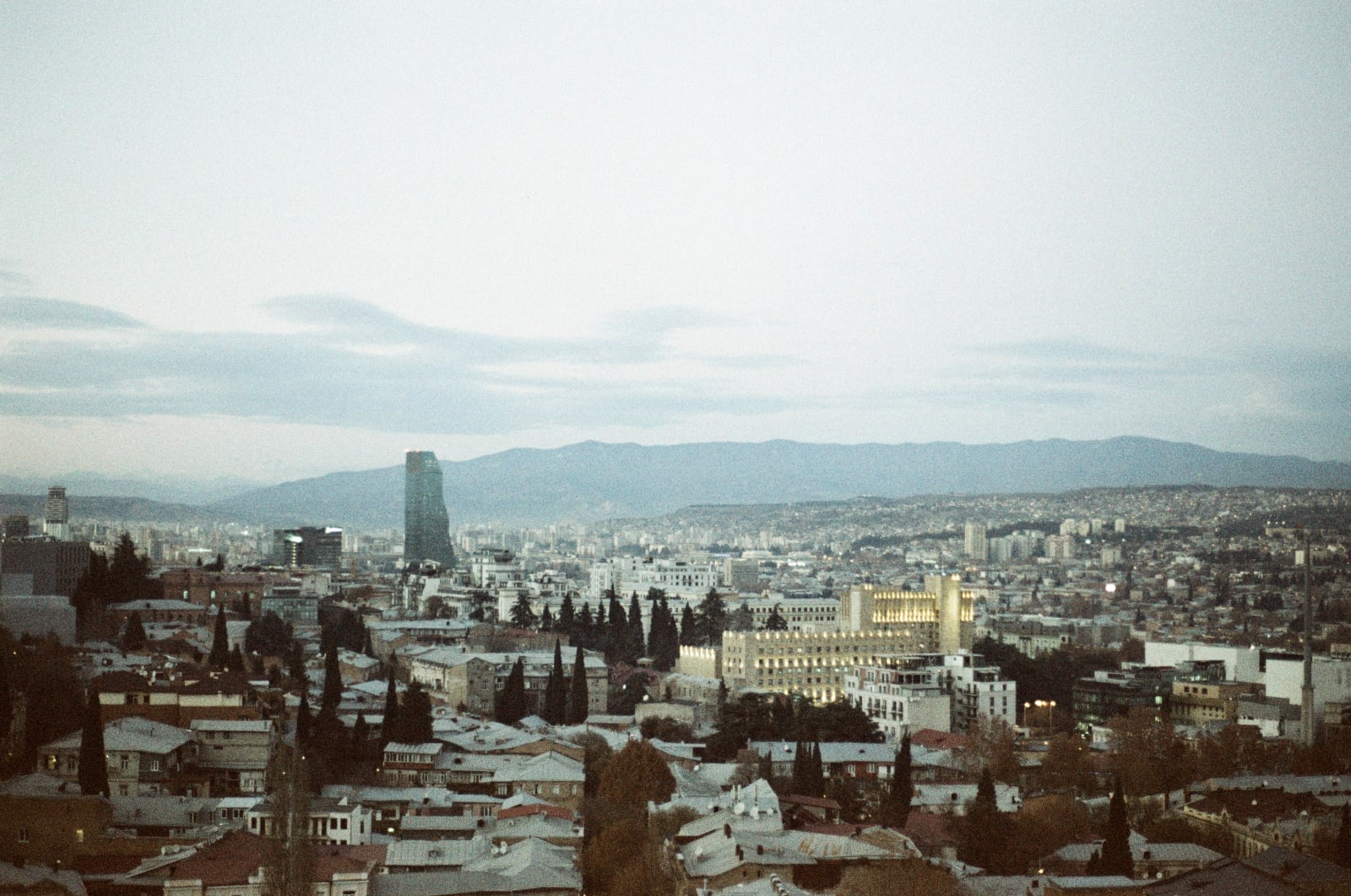
On the way from the airport, my cab drove through George Bush Street. 90% of Georgians speak Russian and consume their media, but Tbilisi is merely 50km from the Russia-occupied separatist region of South Ossetia, a rouge region from which in August of 2008 Russians bombarded Georgia, with some bombs falling just outside of Tbilisi. Out of all people, Bush came to save the day. He did the deal for the Georgians, becoming a hero for the entire nation.
The taxi dropped me right in the center. My hostel was in a very old neighborhood, and that day, it was completely empty. I took my luggage and I sat on the side of the road waiting for the manager, Irakli (name that in Georgian means Hercules).
My lack of culture became evident as soon as I came. Irakli told me to wait for him next to the shwarma place. I had no idea what that means, and he, cranky because it was 6 am, told me that he will not be mocked and that he will not issue me the room. Somehow, he managed to understand I have no idea what that word mean, but unfortunately, it took me a few months to learn what shwarma is.
A lot of dishes in Georgia originated in the Byzantine Empire. However, many ascribe them to the Ottomans, I don’t want to do that, so even if I’m wrong, I will continue living in my fantasy. Because of this narrative, I have in my head, all the old church and ancient rituals, I often felt like I’m transported, at least a little bit, to the time Byzantines ruled a big part of the Middle East.
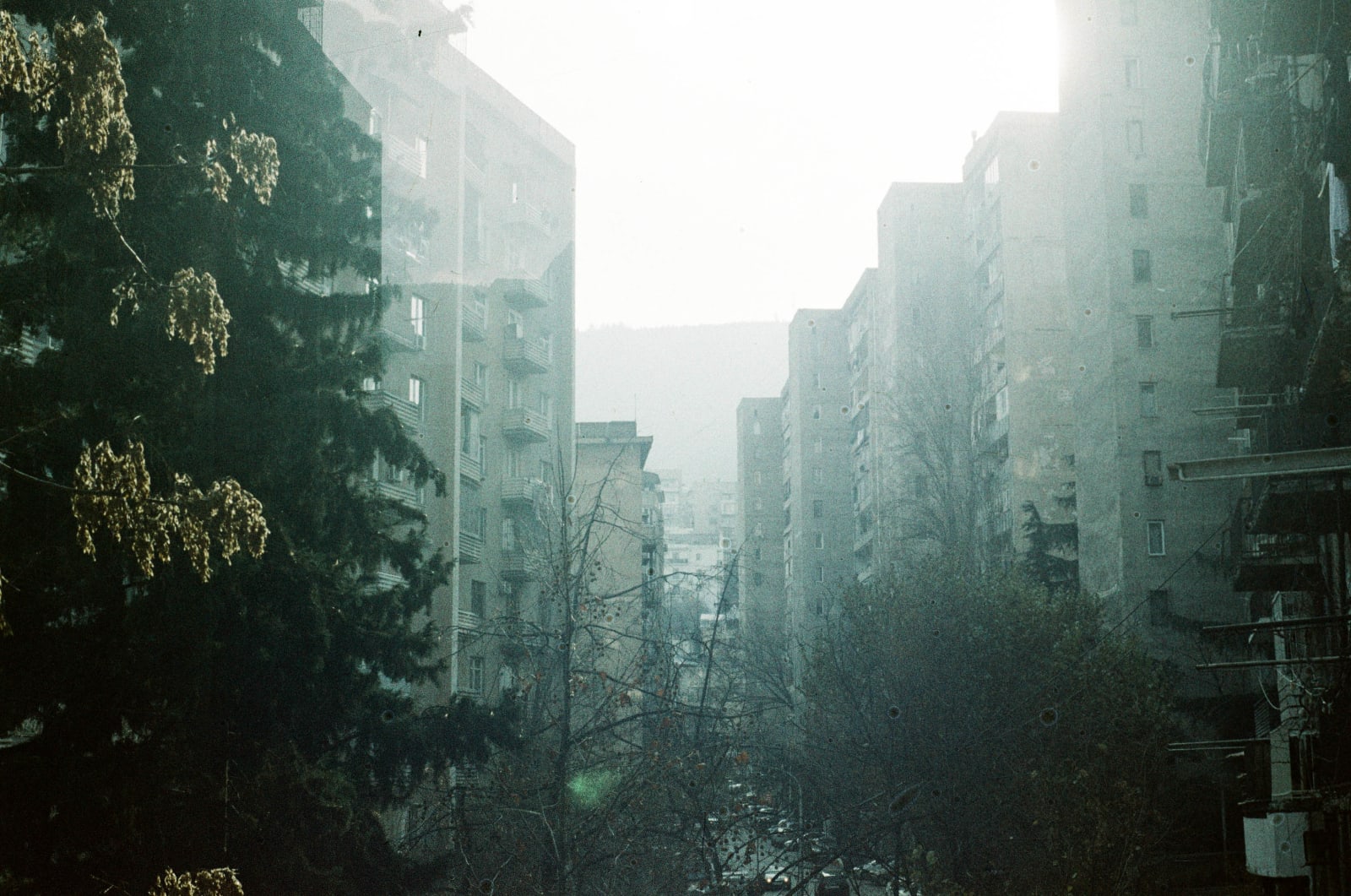
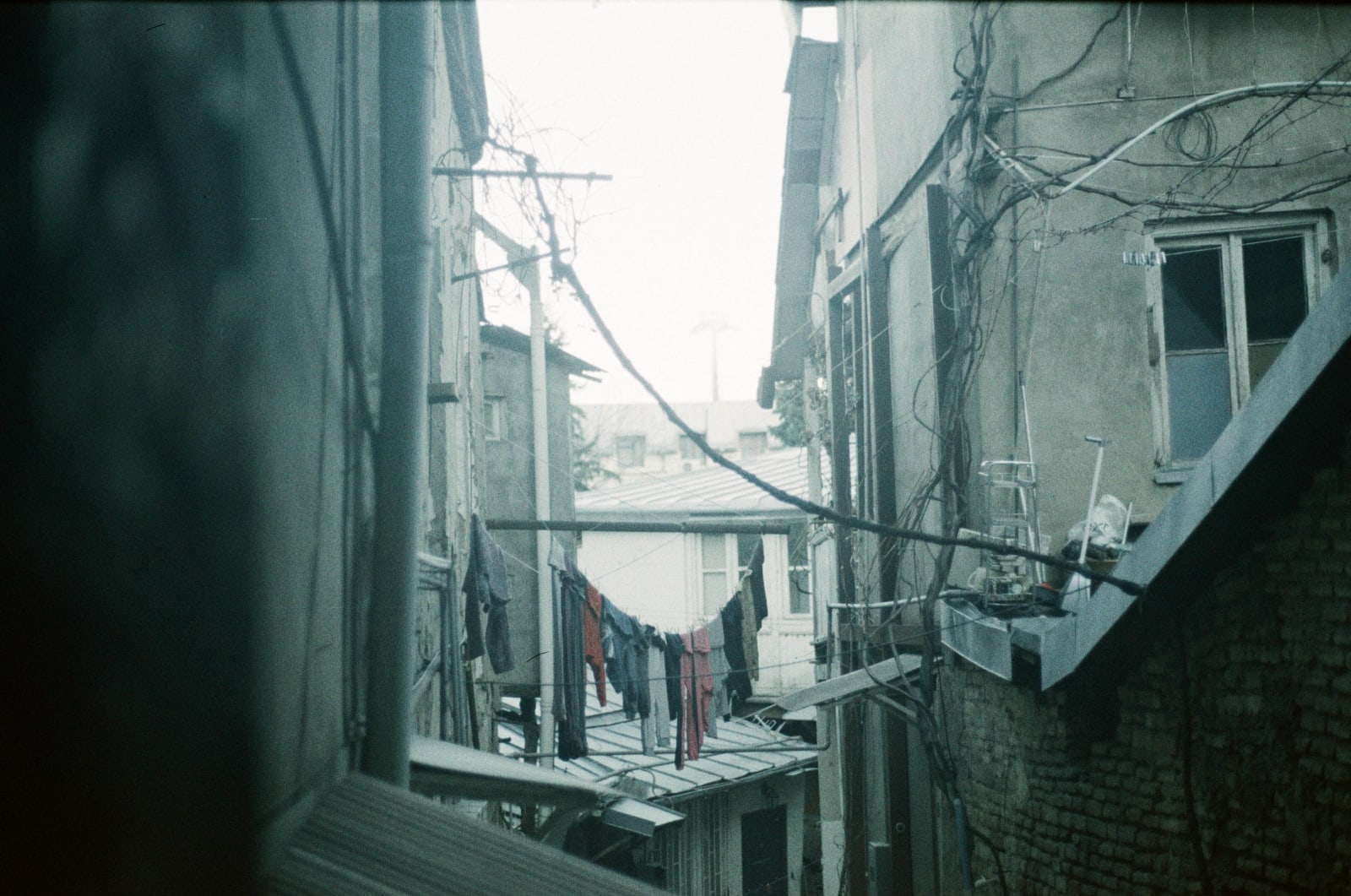
The culture and people in Tbilisi look very European on the surface, but underneath it’s a different story. Their cuisine uses spices I never tasted, their language has sounds I never heard before, Georgian script looks like something from a fairy tale, their church holds a unique position in society, and so on... For a moment I felt as if the deep history and rituals of the Georgians covered me like a warm blanket.
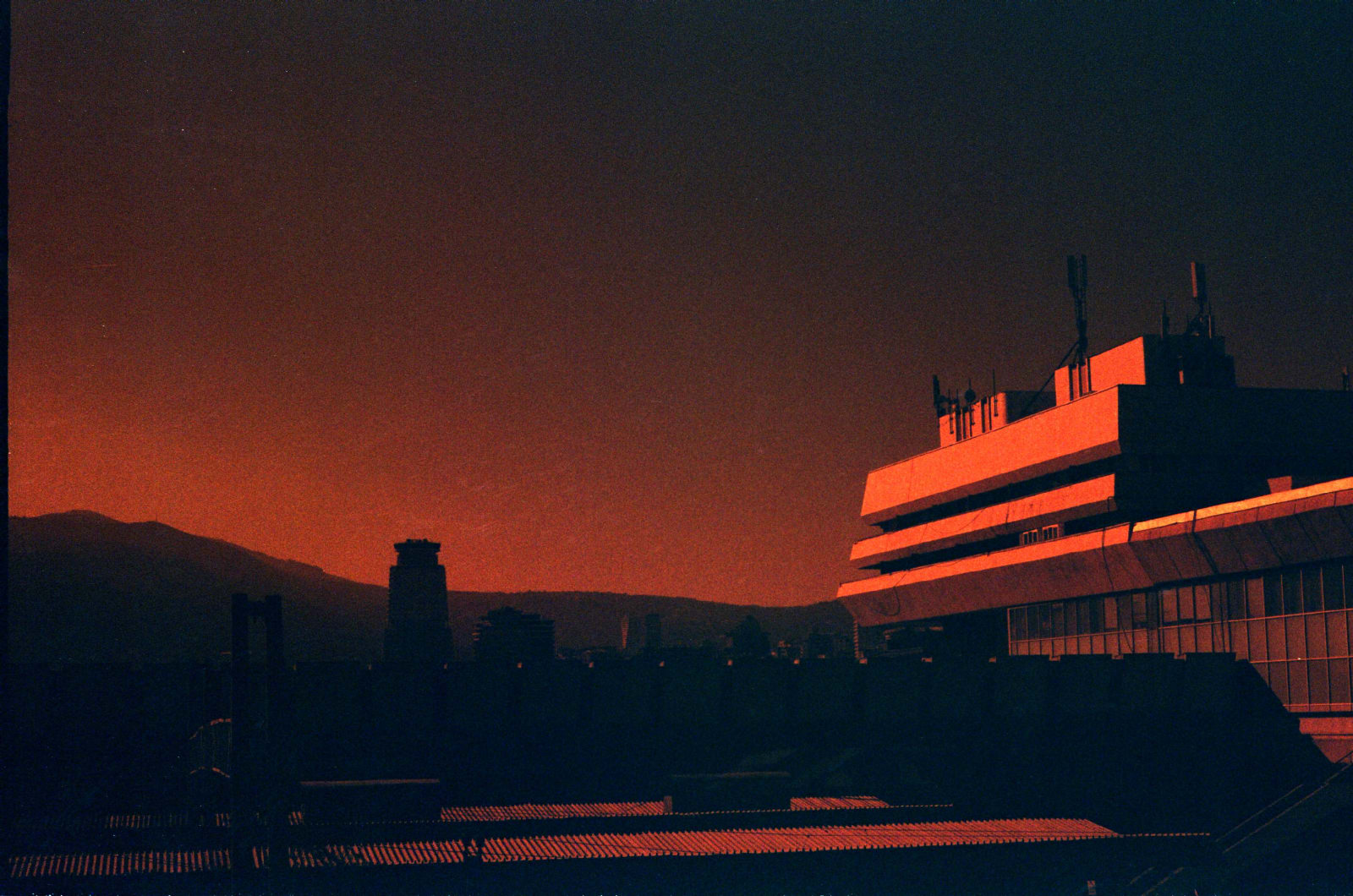
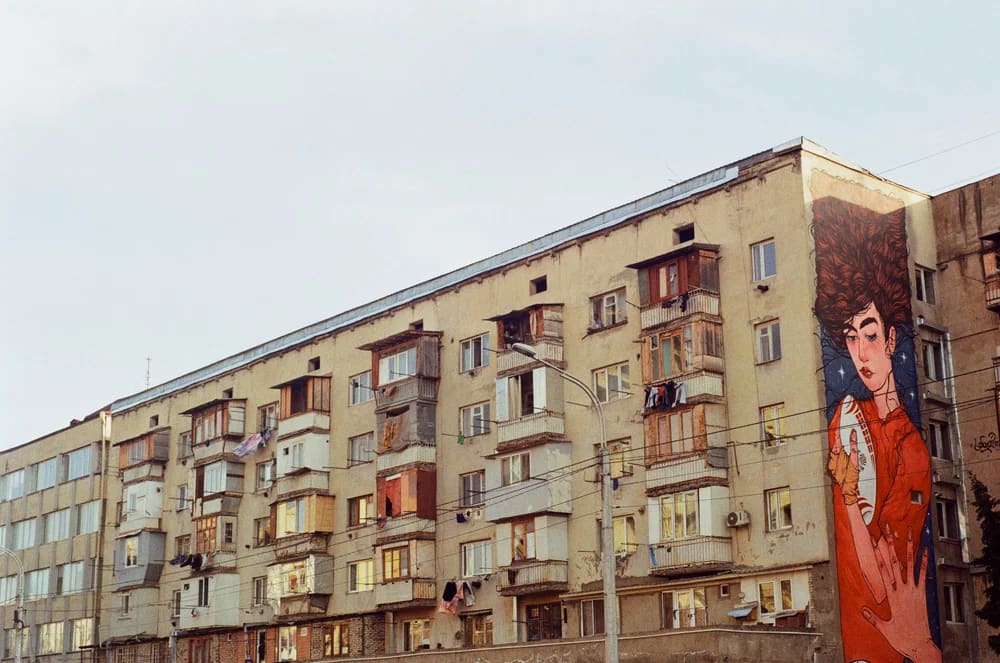
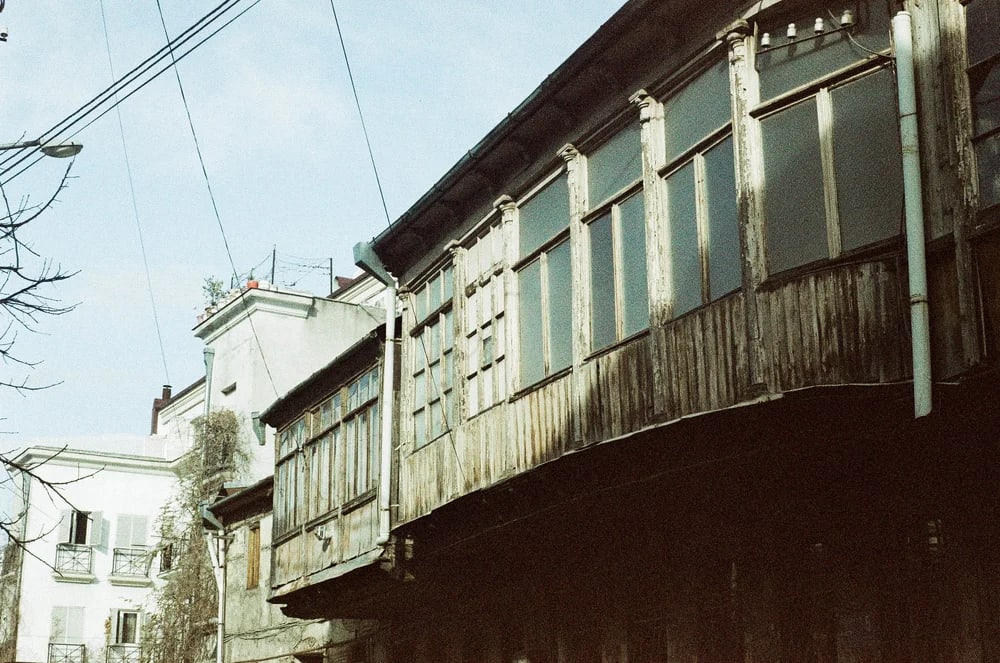
Kartvelian, Circassian, Armenian, Persian, Byzantine, Arabian, Ottoman, Soviet, Russian… The Caucasus region is the melting pot of different peoples, and although almost every part of Tbilisi left a long-lasting impression on me, here are some of the places that cut the deepest:
- Mtskheta and the Jvari Monastery
- The entire old center, especially the part underneath the Mother of Georgia
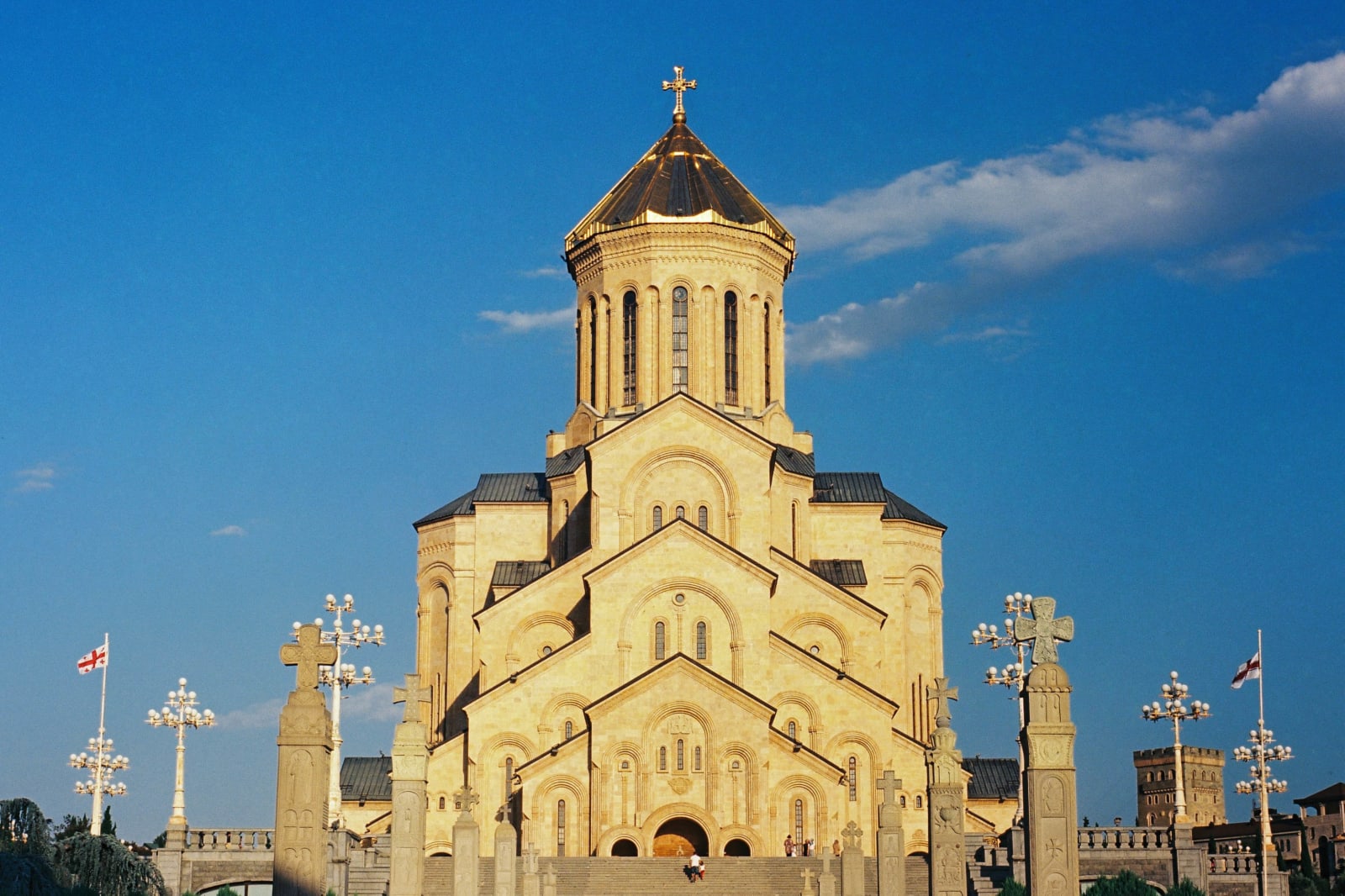
- The Holy Trinity Cathedral
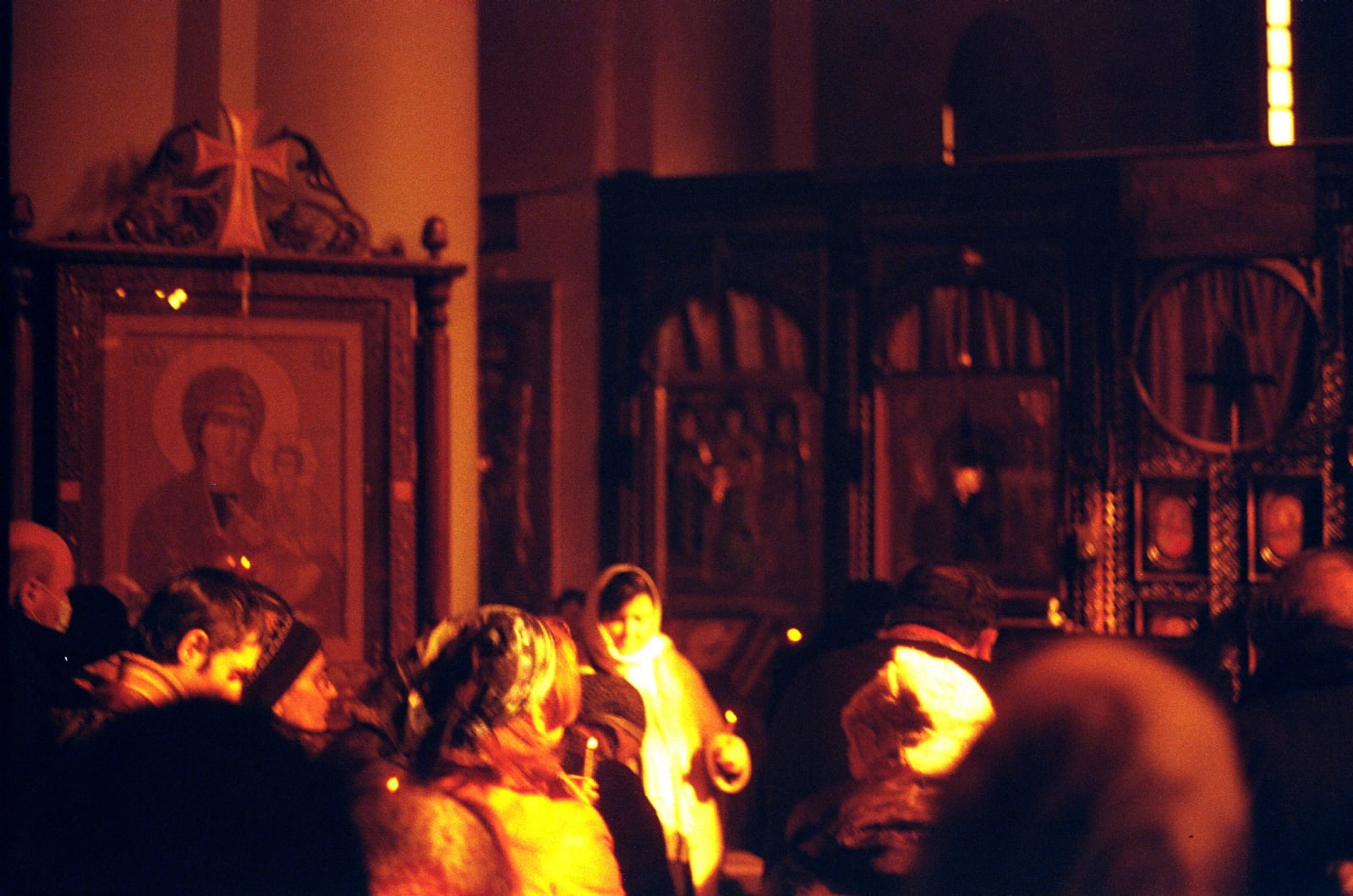
Almost every day, I would light up a candle in front of an icon I felt connected to in one of the innumerable churches in Tbilisi. The trick is to choose a prophet or a saint that matches the energy of your intention. I believe those few moments of contemplation while looking into the flame made my life much better.



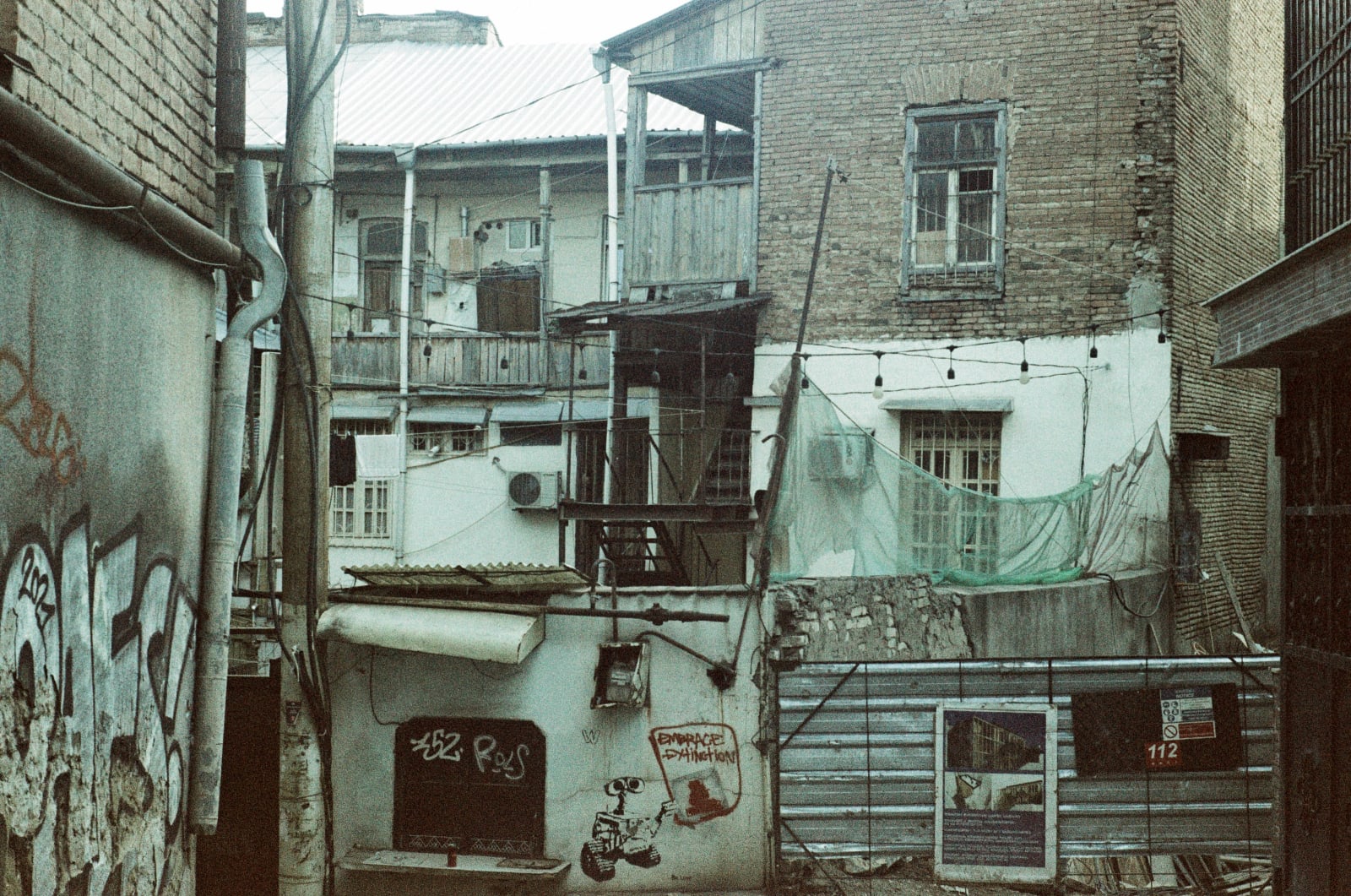
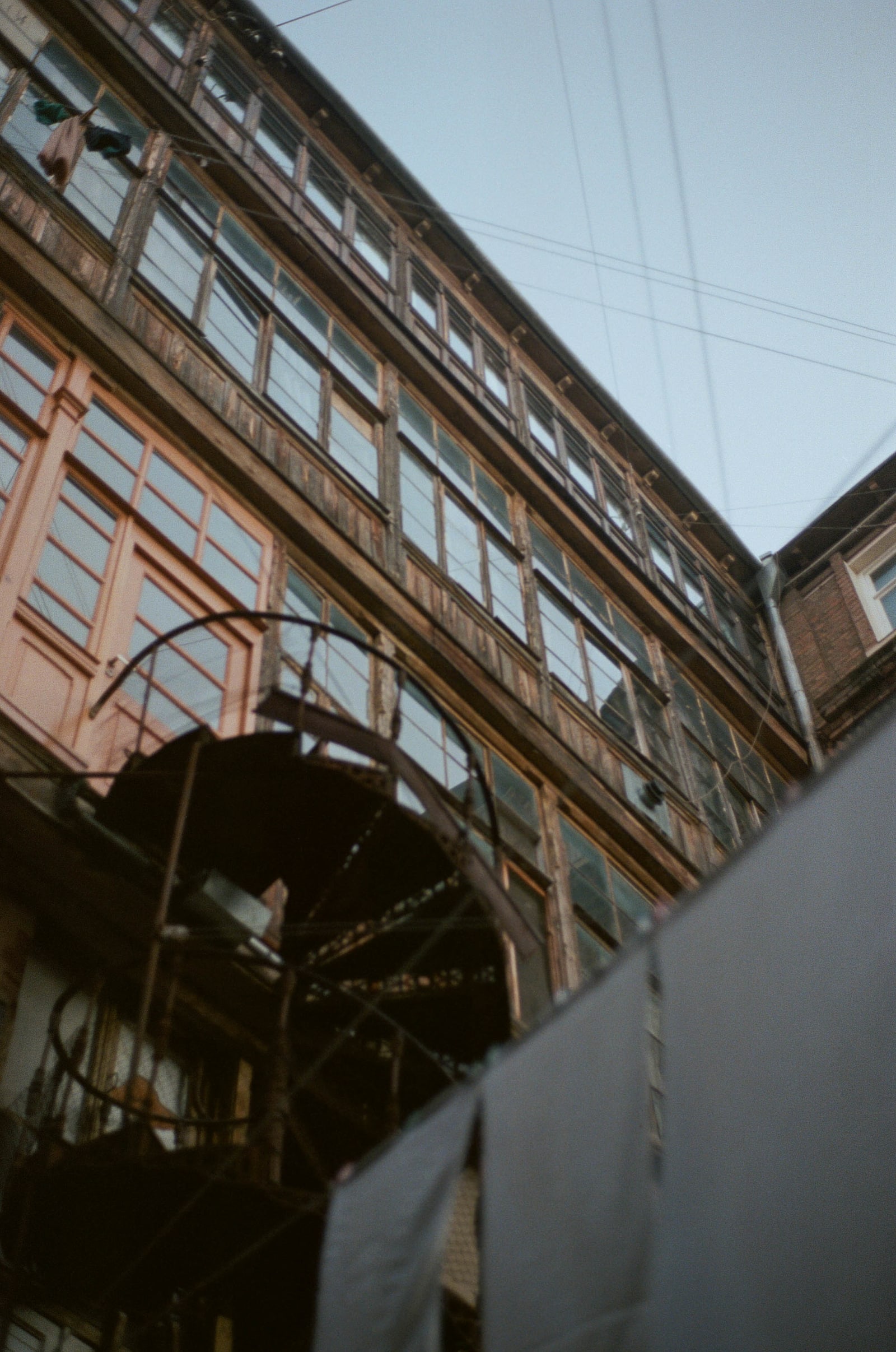
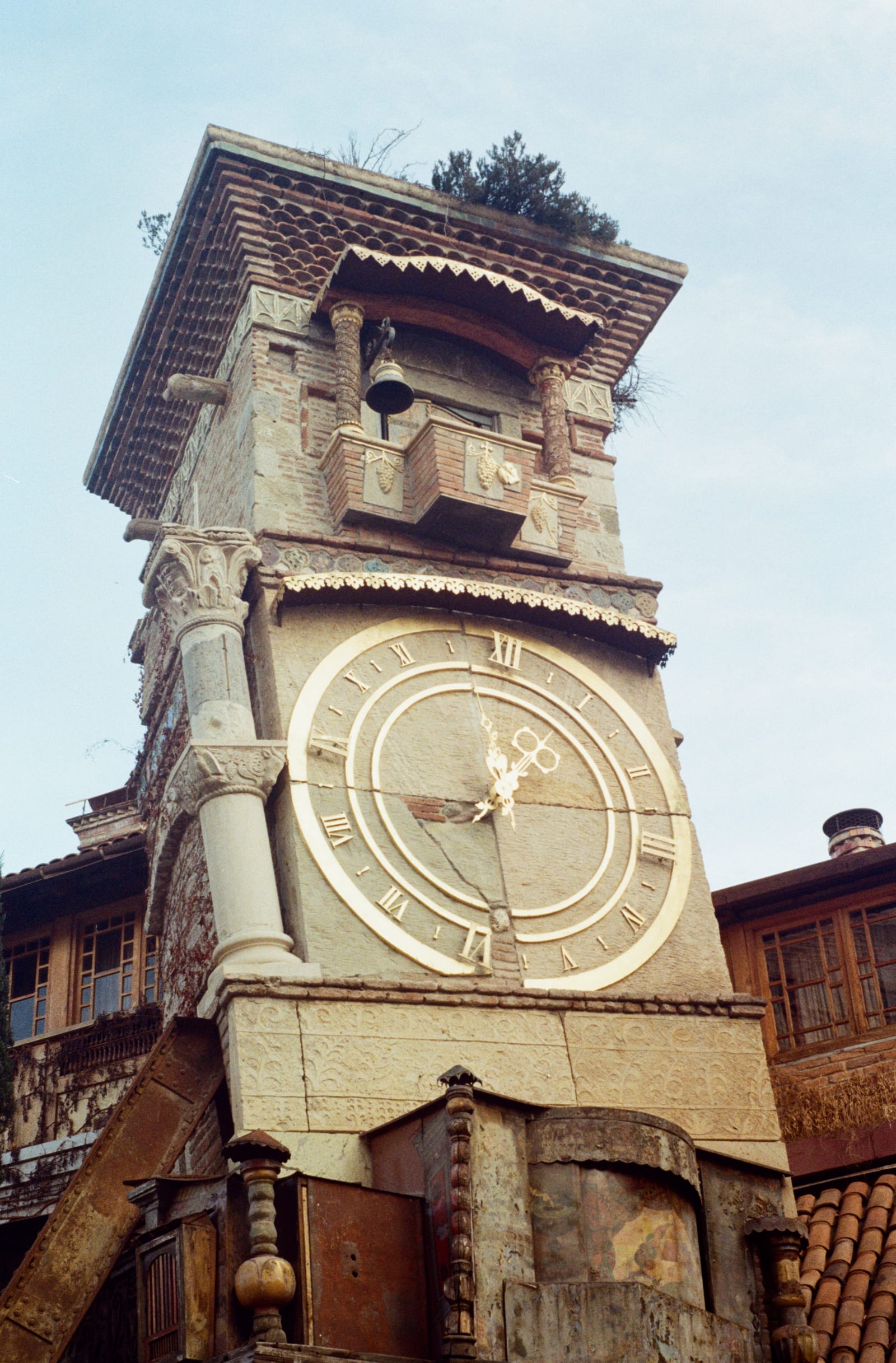
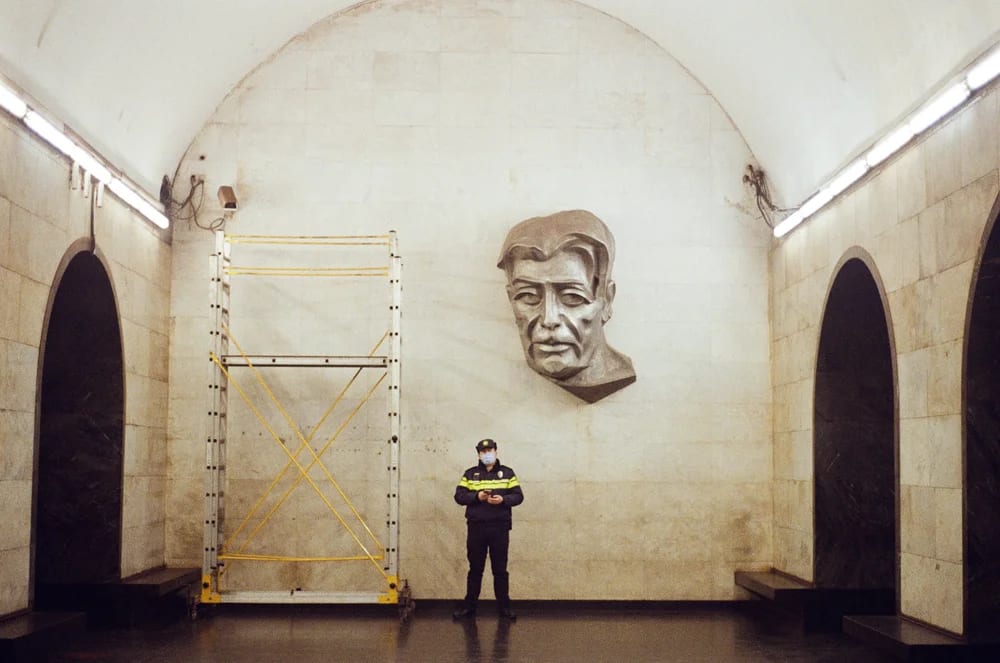


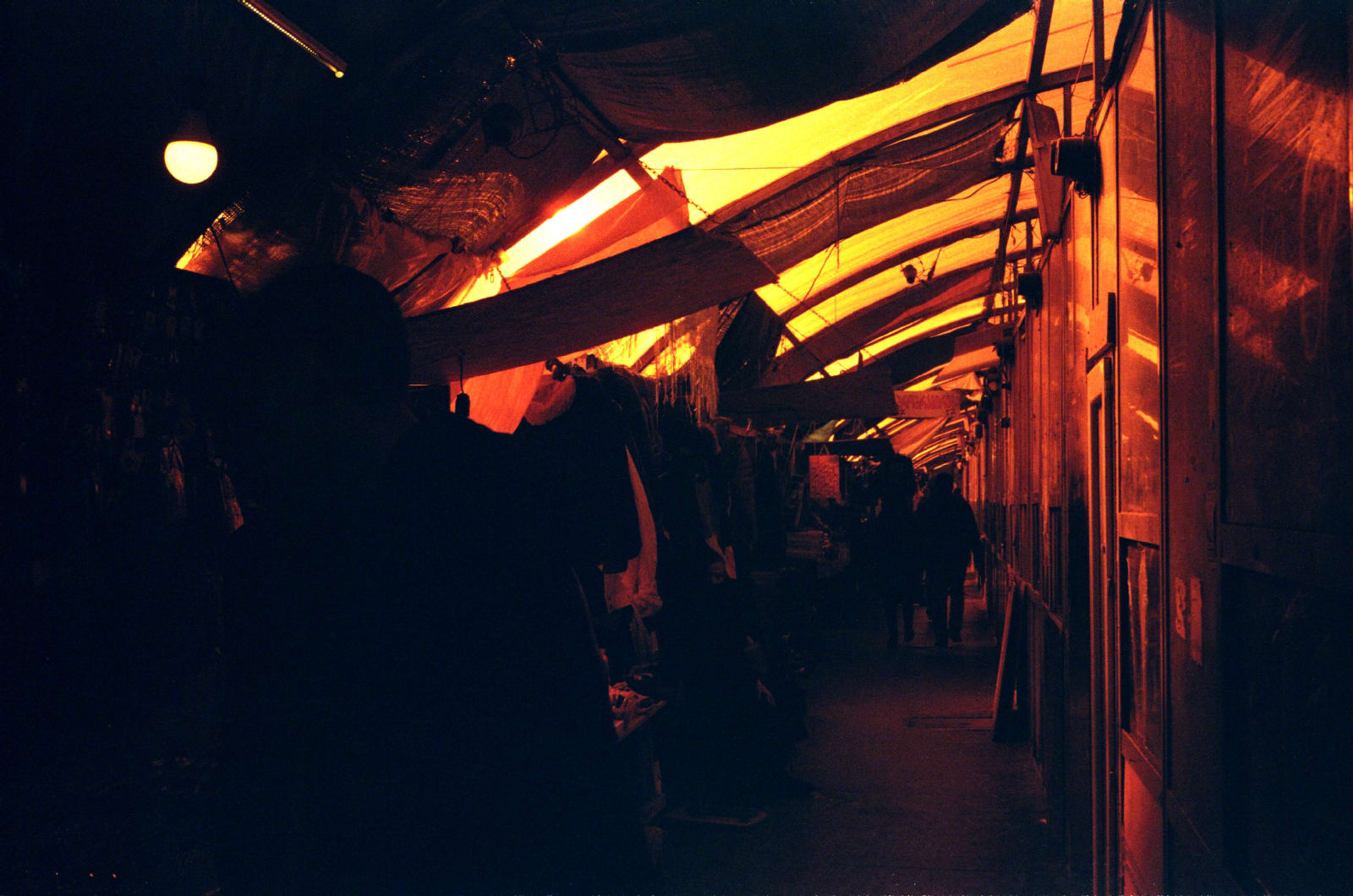

Around Tbilisi
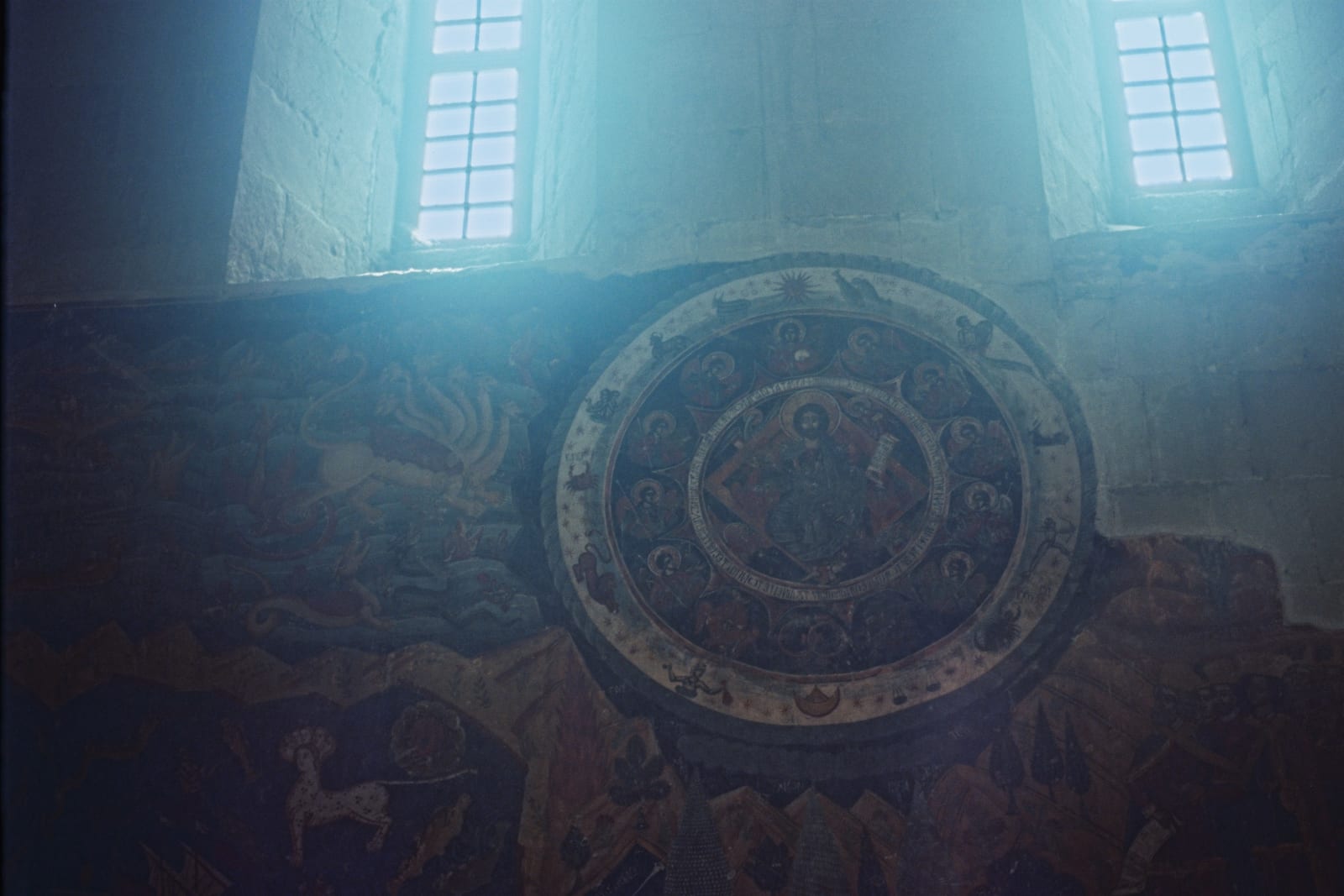
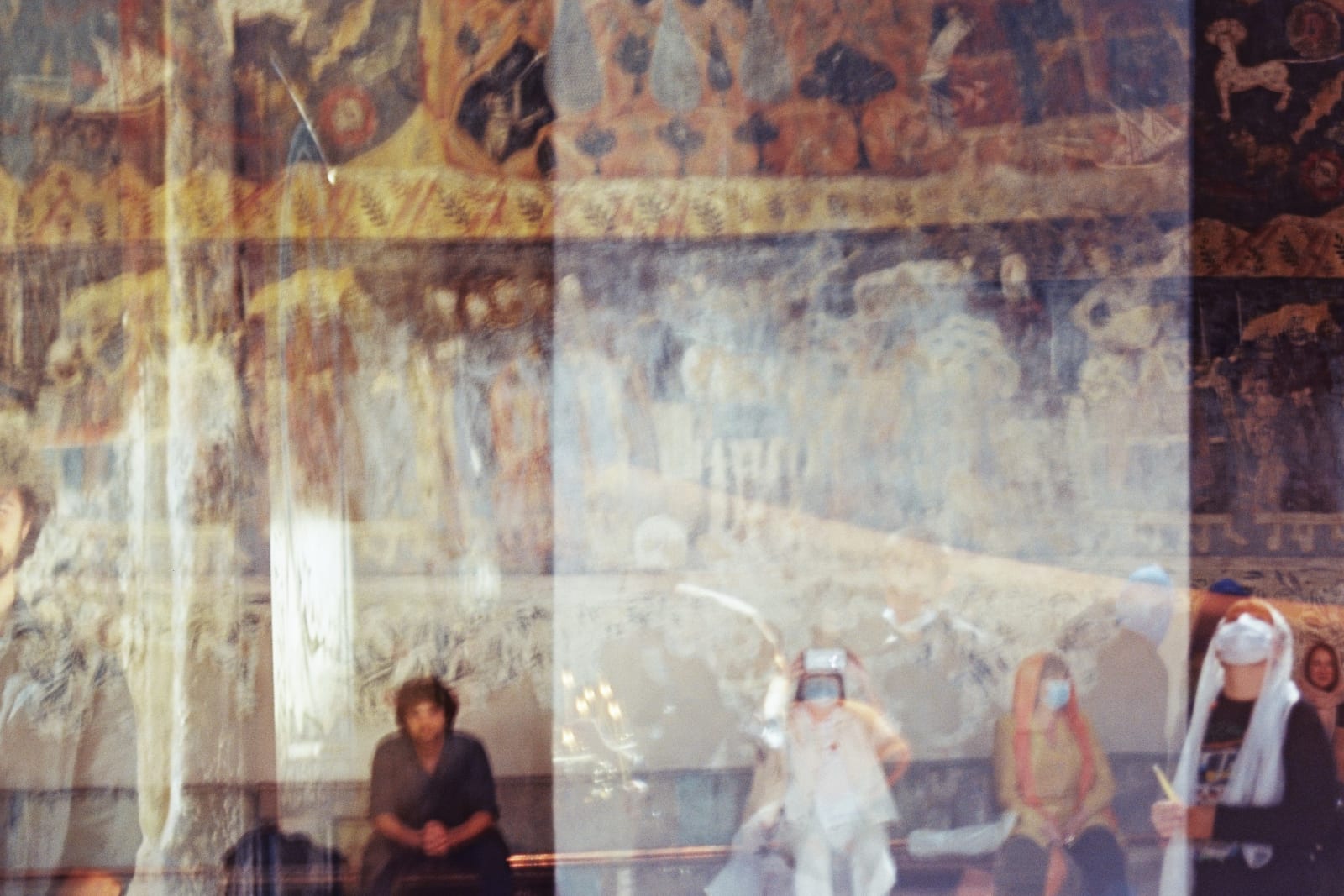
Before Tbilisi became the capital, the headquarters of Georgian culture and politics were in Mtskheta. It took me more than a month to learn how to pronounce that name correctly. The old city is home to the grand Svetitskhoveli Cathedral. The walls of the 11th-century cathedral are full of frescos. They were unfortunately destroyed in the 19th century by the Russians, however, a few were restored thanks to traces that stubbornly linger on the walls.
One such fresco is the Zodiac sign with the figure of Jesus Christ in the middle. In medieval times, Zodiac was a common motif in Christan art. The stars were often depicted as angels, and the four fixed stars marking the signs of Taurus, Leo, Scorpio, and Aquarius represented the four evangelists. Even today, we say that the Bull is a symbol of Luke, the Lion belongs to Mark, John is the Eagle (Scorpio was often interchangeable with Eagle), and Matthew is represented by the Man (or an Angel). But the Zodiac symbology in churches was often very subtle, which isn’t the case here in Georgia. One more peculiar thing is the image of the Beast of the Apocalypse right next to the astrological fresco. We don’t have any clue what the author tried to convey with his art, but it is clear he was deep into the esoteric mysteries of the Bible and beyond.
Around Tbilisi, I visited:
- Mtskheta
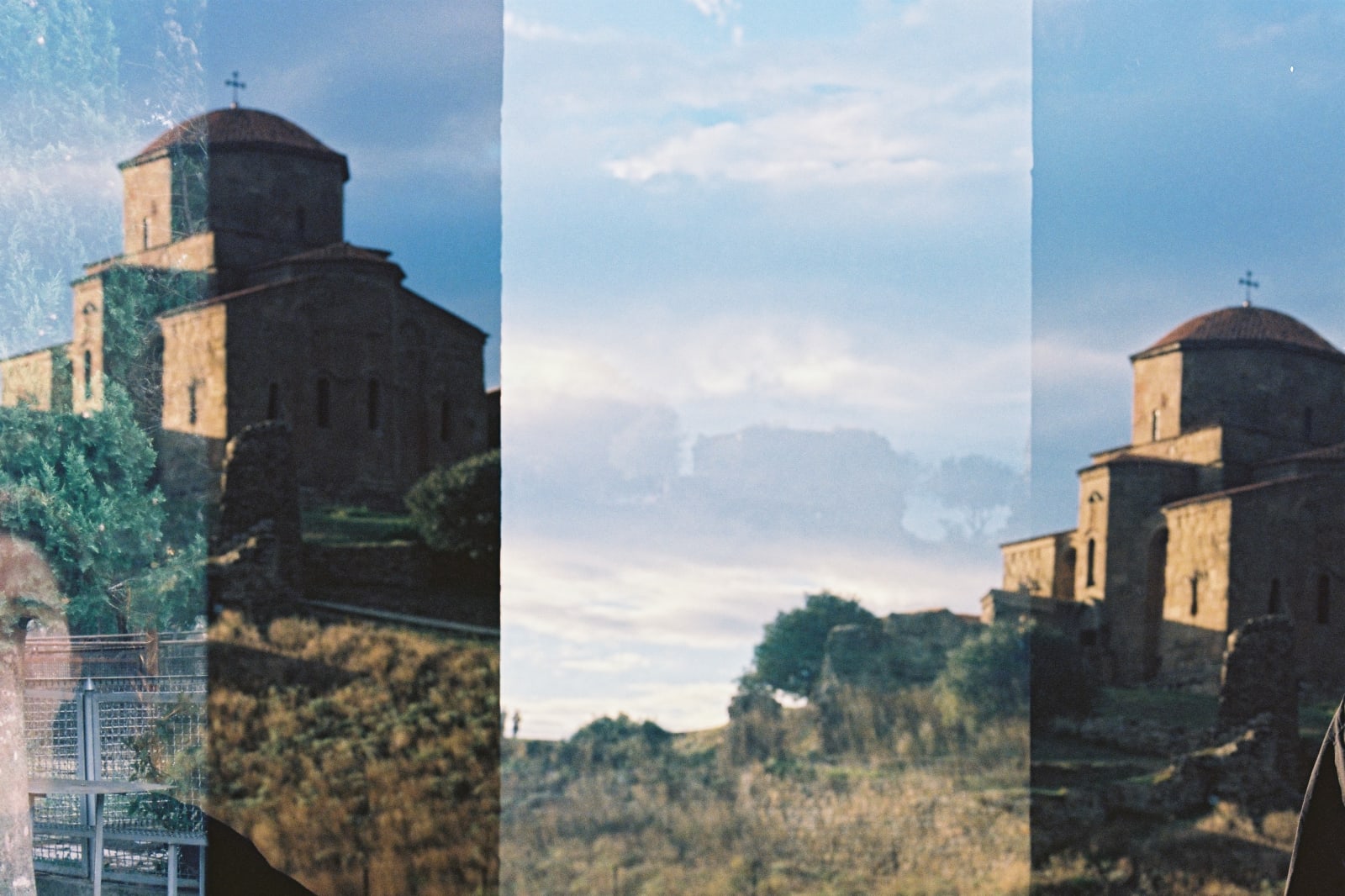
- Jvari Church
- Shiomgvime Monastery
- Uplistsikhe
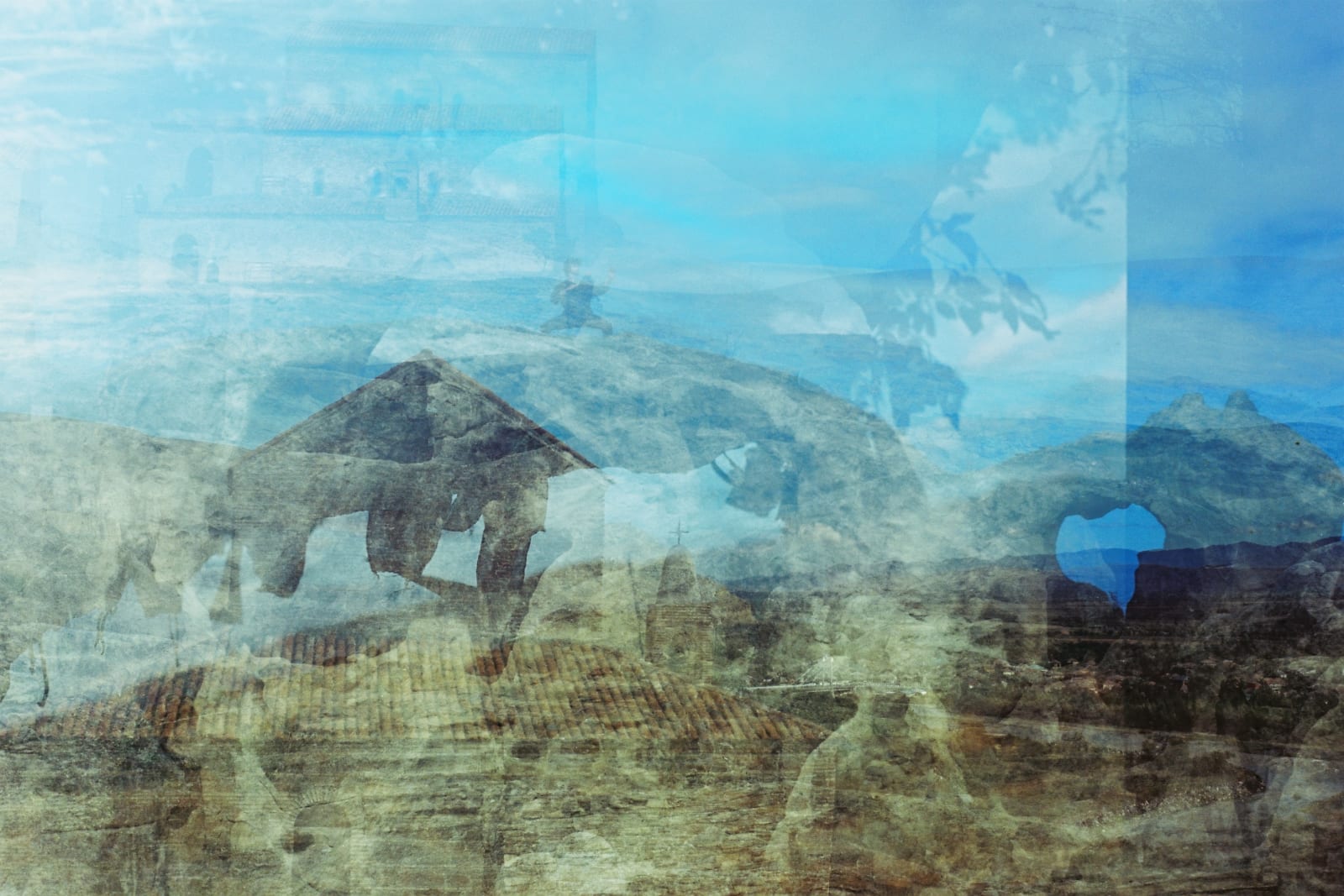
Unfortunately, while I was venturing outside Tbilisi my camera broke, and I exposed the film in the same spot multiple times. Many beautiful places thus escaped from my archive of analog memories, including the photos from Uplistsikhe, a cave town. This is to this day one of the most beautiful places I have visited. Our ancestors carved the entire hill to make a fully functional town with a big hall, many workshops, and places of worship. You can still feel their way of life by walking in their footsteps.
Map of Tbilisi and the surroundings
On the map below, you can see all my favorite places, including the ones I still haven’t visited.
Out of Tbilisi
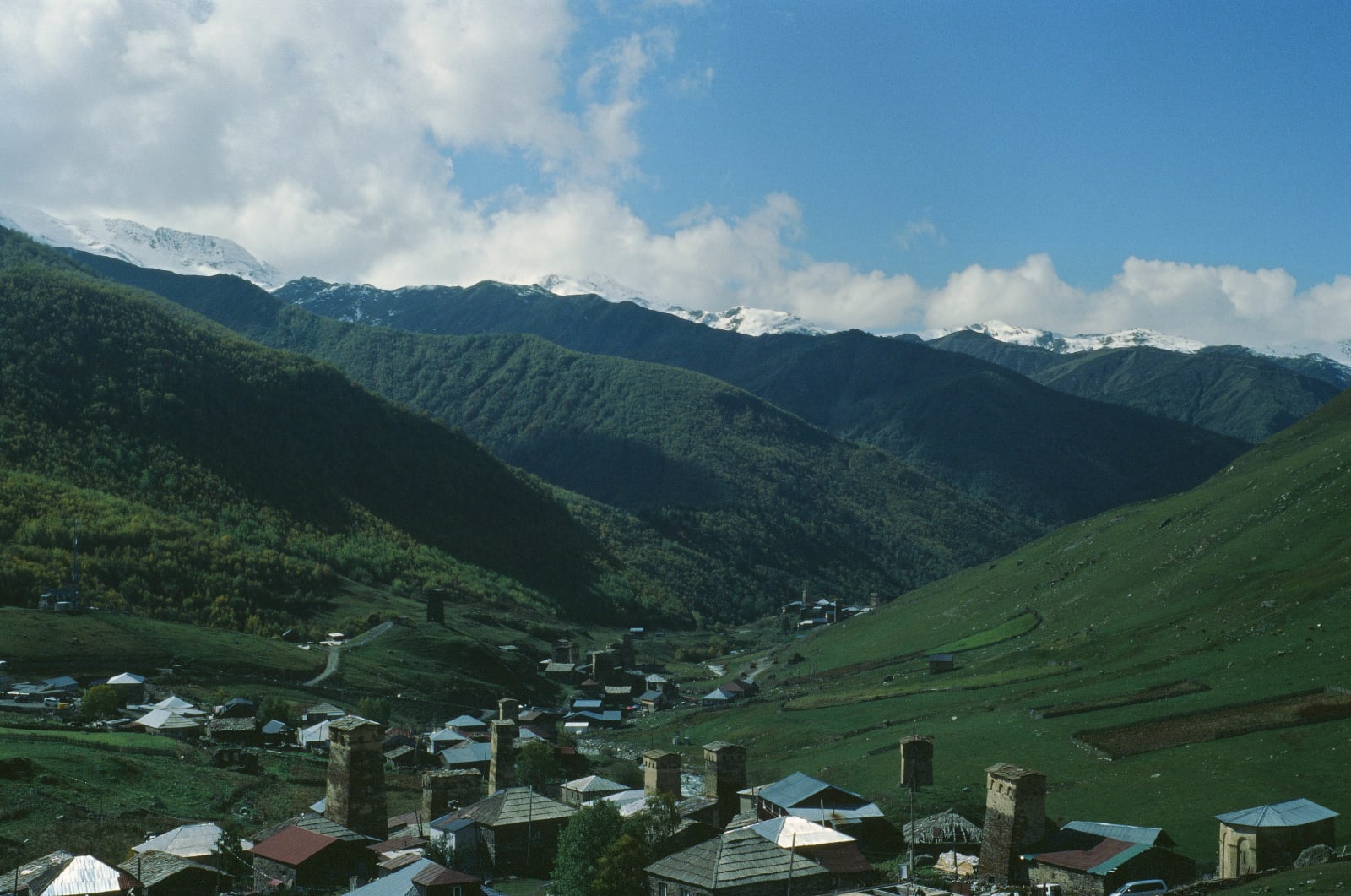
After a lot of time roaming in and around Tbilisi, I wanted to explore other parts of Georgia. But the winter was coming fast. First, I went to the country’s most remote region, Svaneti. This beautiful mountainous area is full of little towns with unique Svan towers that served as defense from the neighboring tribes. From the high mountains, I descended to Kutaisi, the country’s second-largest city and one of the oldest continually inhabited areas on Earth. To this day, I have never felt the deeper energy of a place, than I have felt in Kutaisi. I stayed here for a week, before going back to Irakli’s place for a few days until I go to the Kazbegi region.
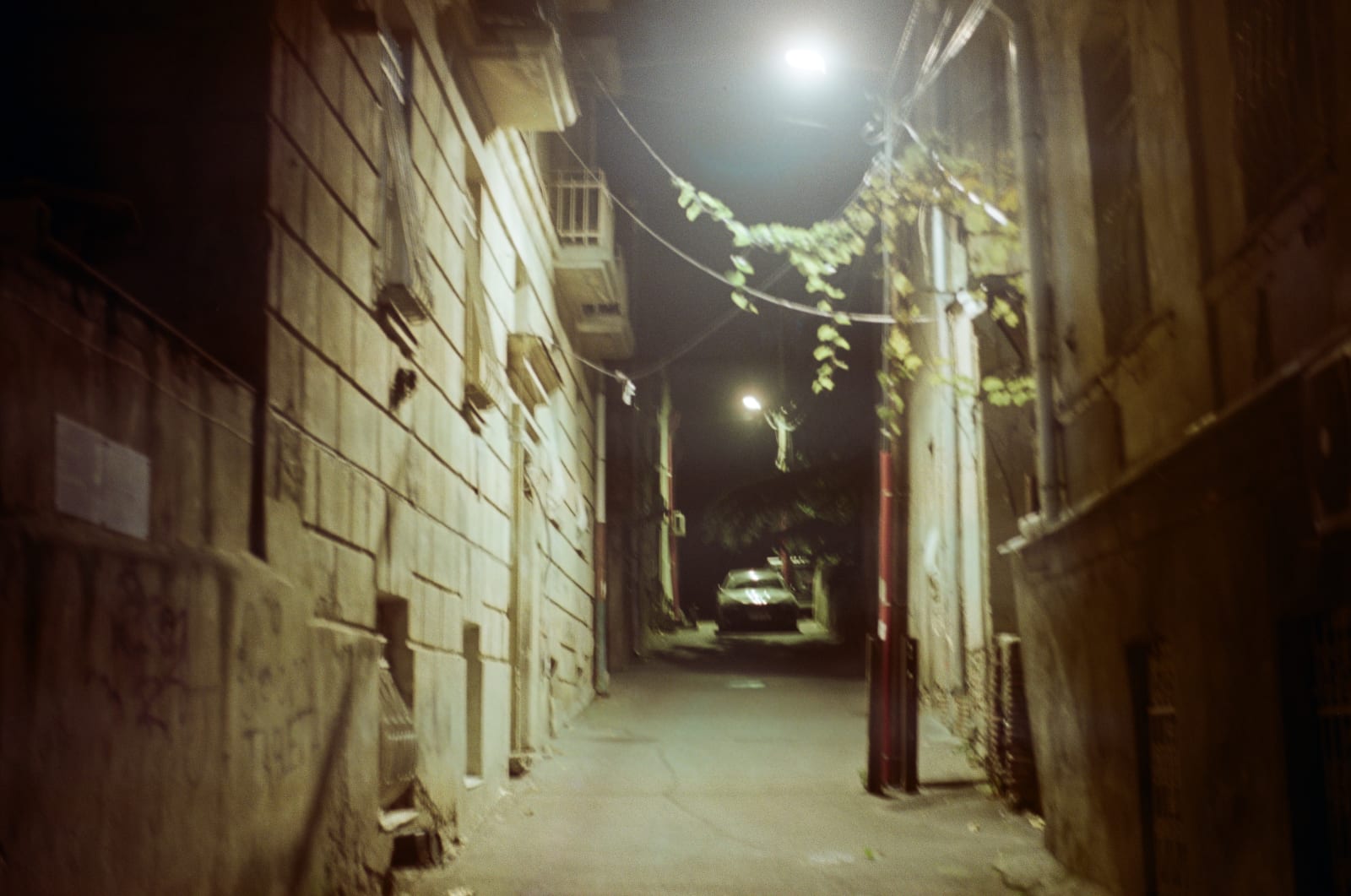
I will write about all of these experiences in a separate post. After Kazbegi, I rented a place for almost two months in Tbilisi. I don’t have any photos of it, except for the dark alleyway that led to my apartment.
These are the places I visited in Georgia outside the Tbilisi Area:
- Svaneti
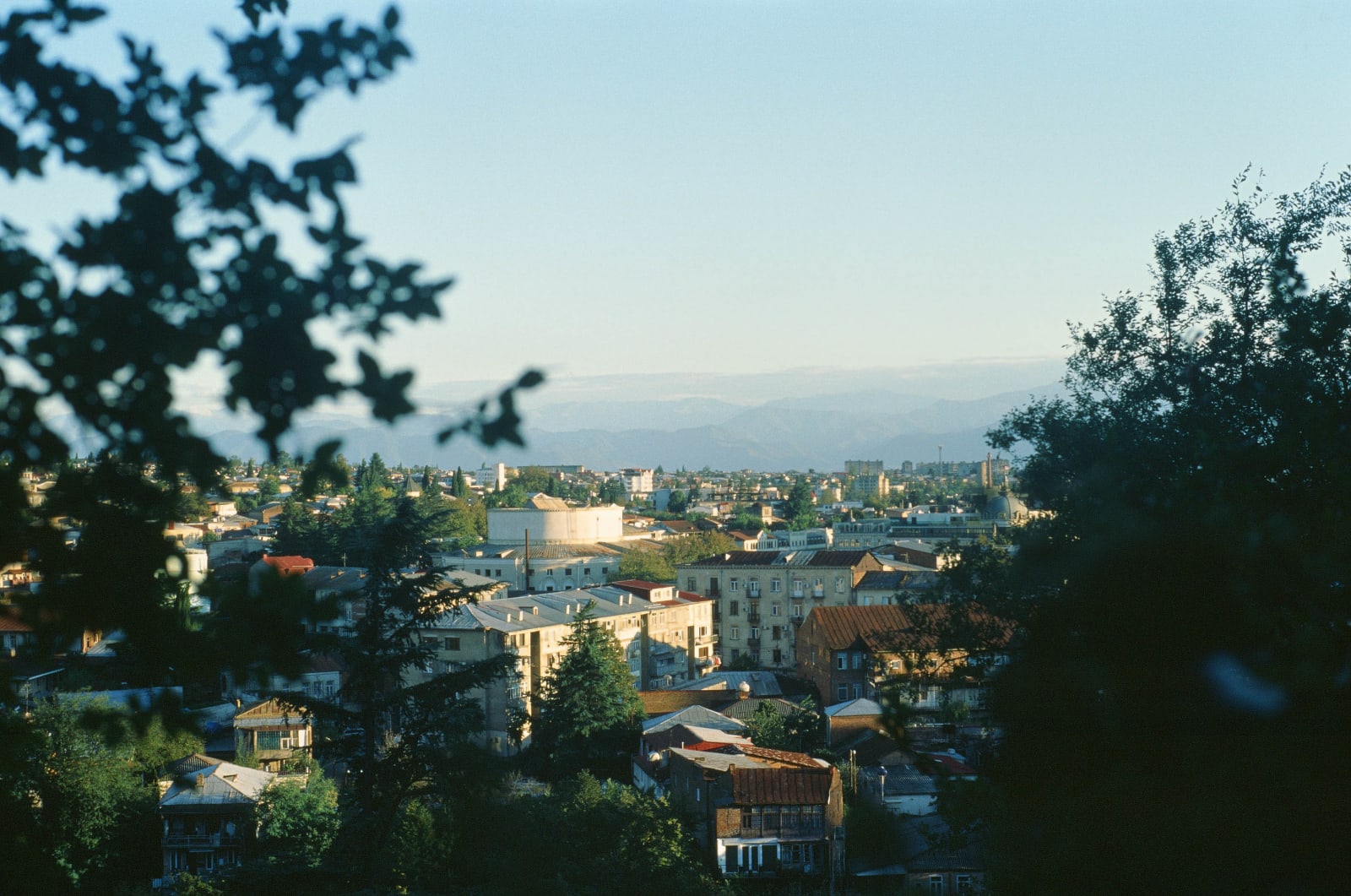
- Kutaisi
- Katskhi Pillar
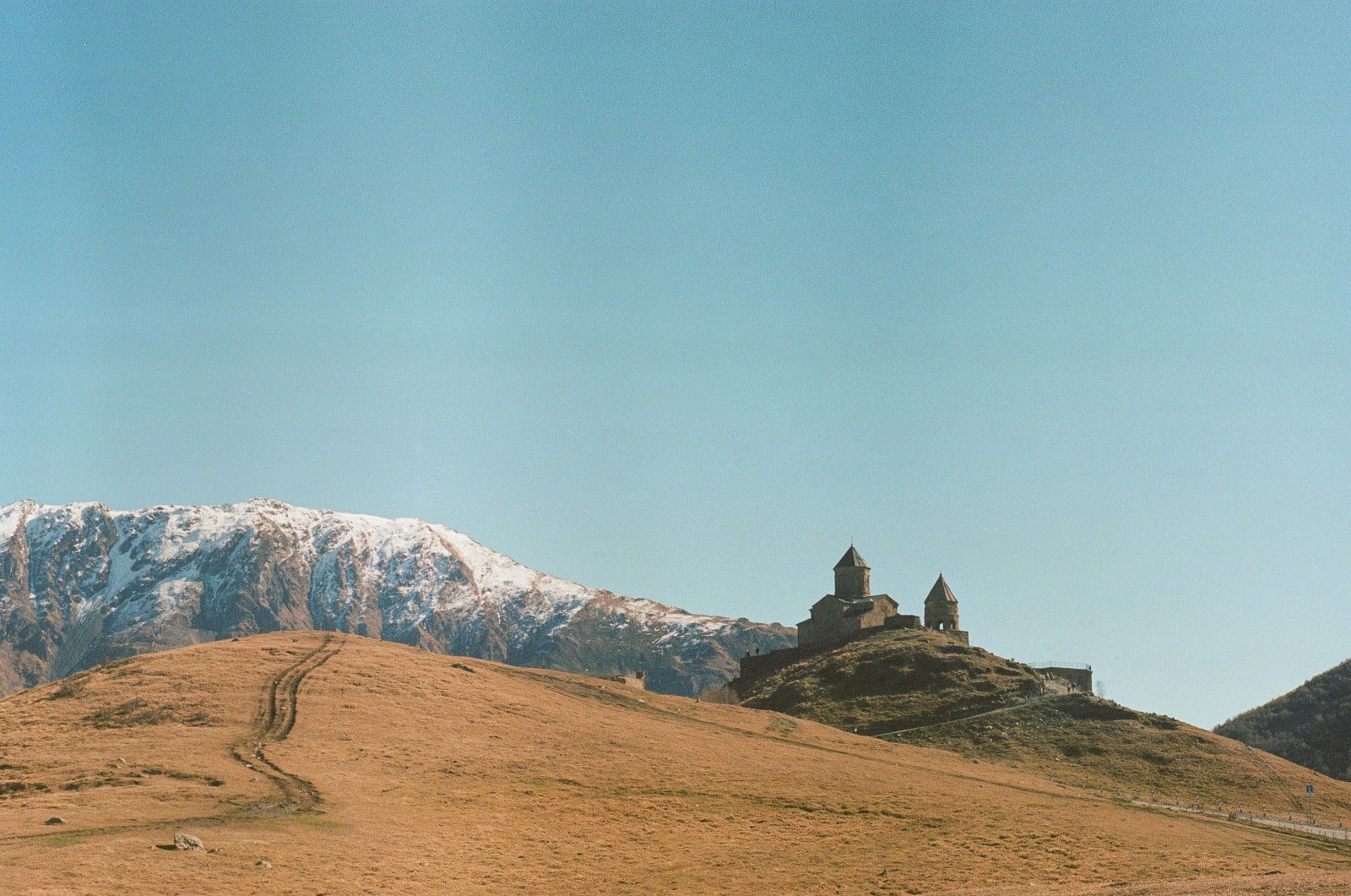
- Kazbegi region
- Davit Gareja Monastery complex
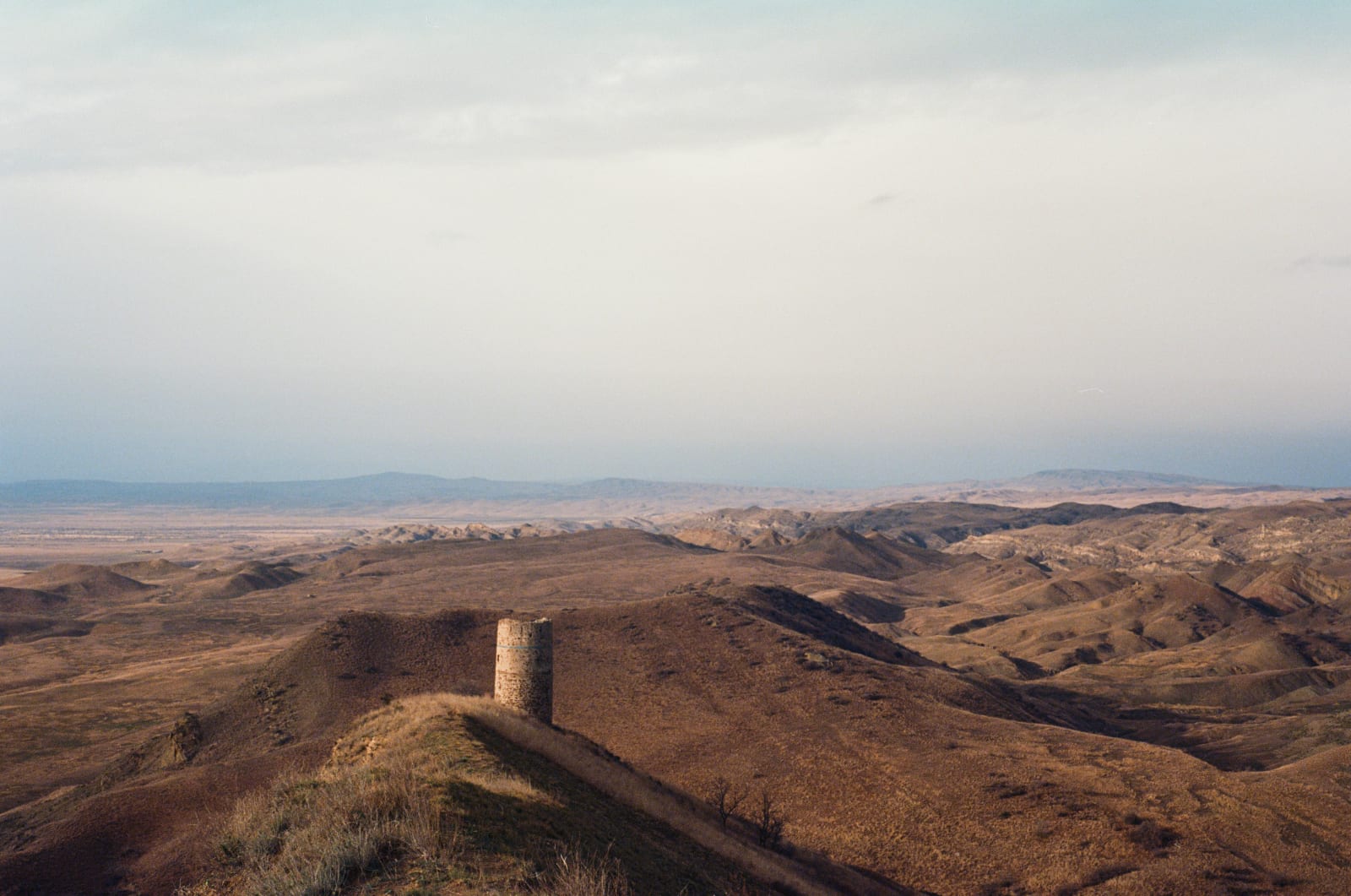
Leaving Tbilisi
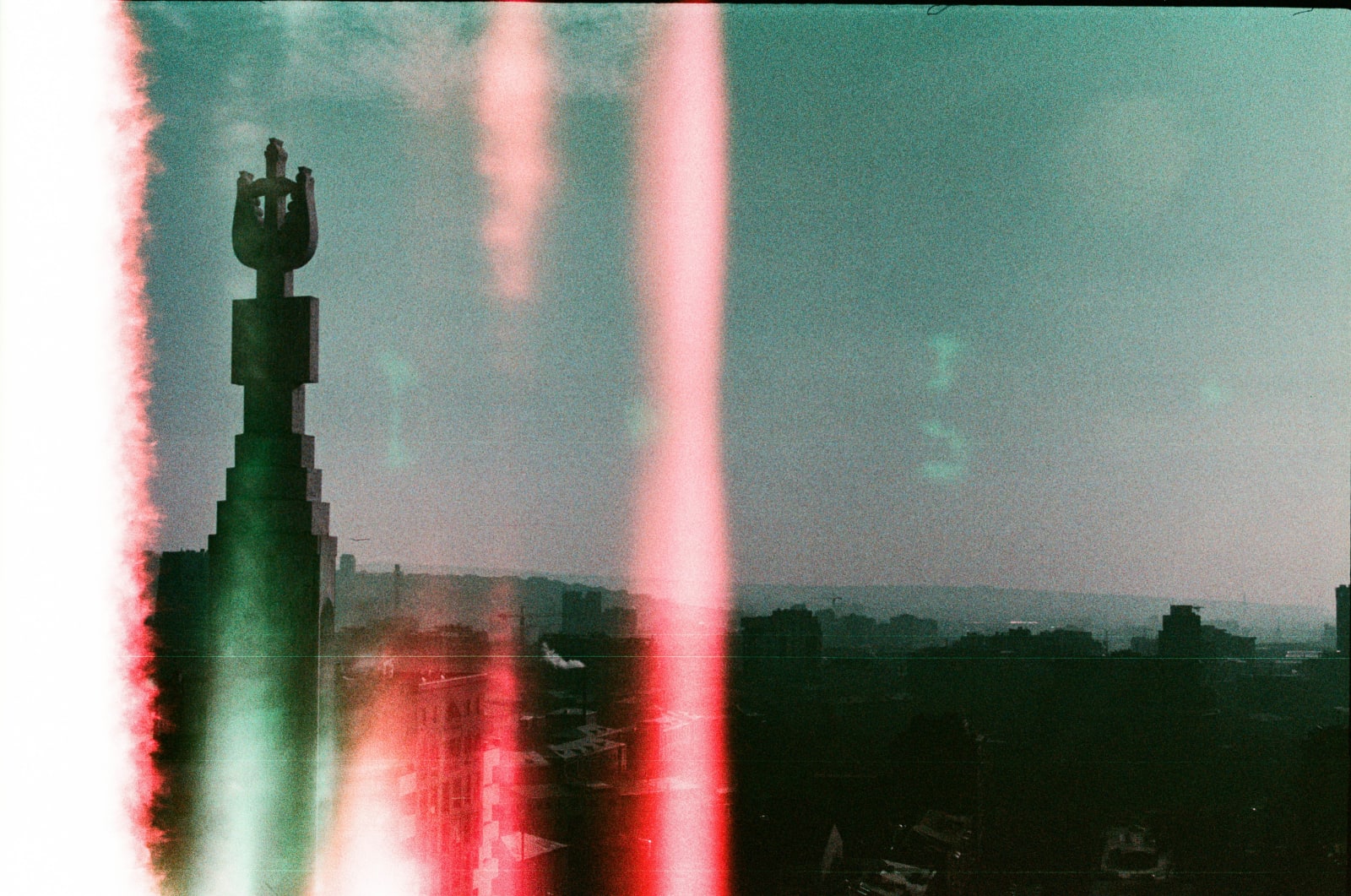
From Tbilisi, I went to Yerevan for a bit longer than a month. A quiet 30-year-old ongoing war between Armenia and Azerbaijan made the atmosphere in the city almost dreary. Luckily, Armenians are one of the strongest and warmest people I ever met, so one can quickly forget the dread lurking at the border.
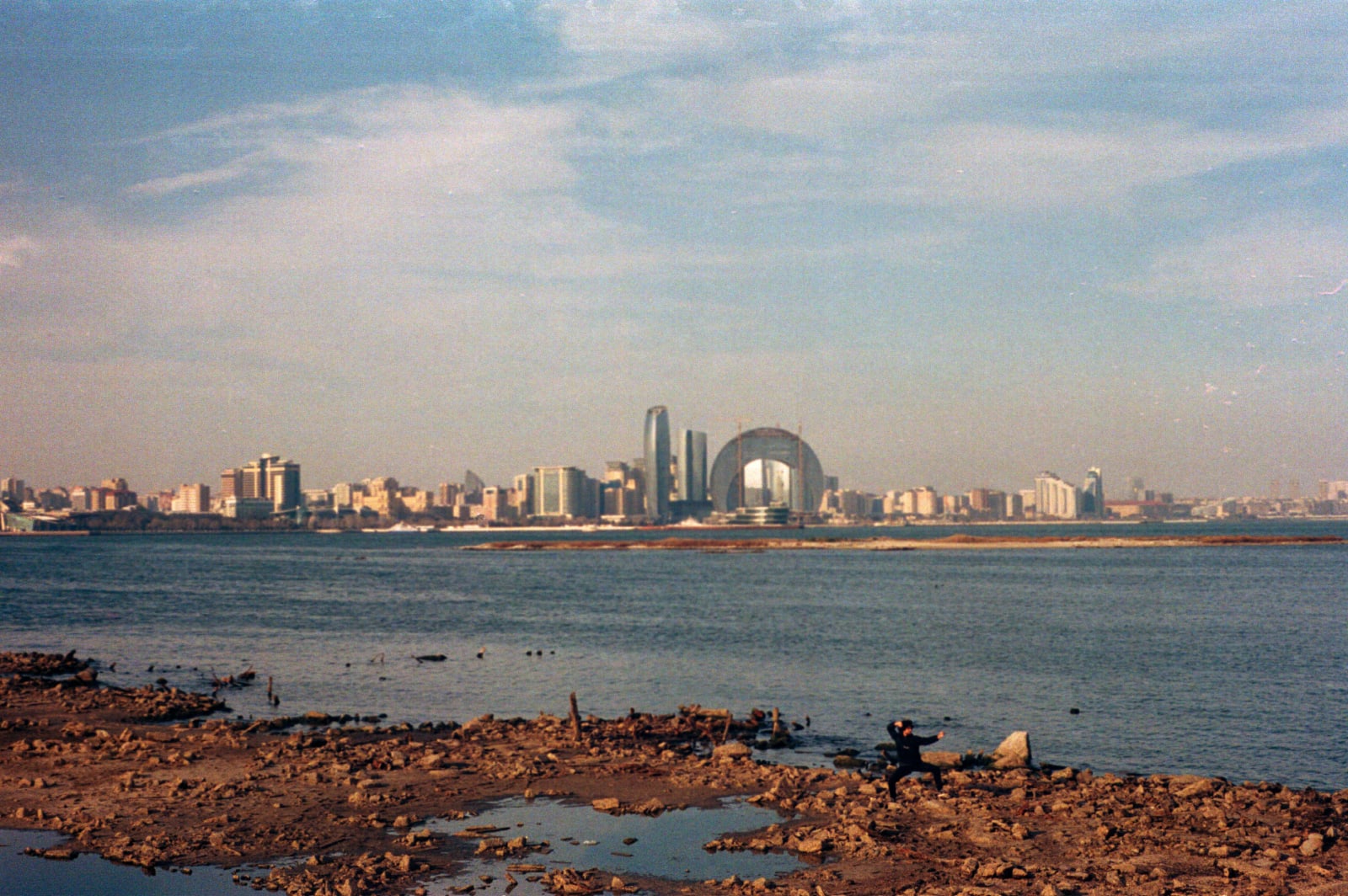
The city I wanted to see for the longest in Caucasus was actually Baku. I remember sitting one day in college and googling all the capitals of the ex-Soviet Union. Out of all the cities, I fell in love with the blend of Baku’s old and modern architecture. Their marketing department did a really good job.
I felt like my experience in Tbilisi and Georgia was like a deep rehabilitation. I don’t think there is another country so densely packed with beauty, both natural and cultural. I was here for a little over three months, however, there are many things I didn’t manage to visit. Here are some of them:
- Vardzia
- Akhaltsikhe
- Bakuriani
- Tusheti
- Racha
- Mtirala National Park
- Gelati Monastery
- Kakheti
- Abkhazia
If you are wondering what were the effects of my international dating app escapade, well, they were not good. Short-term, I distracted my mind and re-opened my heart. However, I’m a gullible person, and it isn’t hard for me to acquire bad habits. Whenever something would go bad in my life, I would resort to the simple act of swiping fantasies left and right. Luckily that now changed.