26 April 2023
Beautiful Valleys - Kazbegi
The Gods have always lived high on the mountain peaks. But I would imagine they have to work their magic and create a little ethereal paradise to feel comfortable among all the rocks and snow. However, it turns out that the colder the summits are, the more fertile are its valleys. High in the Caucasus range lie unique cultures, far from anyone’s sight. These valleys are home to many strong people, old beliefs barely touched by new religions, and social structures that aren’t easy to understand (or approve of sometimes).
Our soul loves to be surrounded by the labyrinth of mountains. Walking beneath the high peaks sometimes feels like taking a stroll on the palm of God’s hand.
The capital of Kazbegi municipality is Stepantsminda, a town placed just 14km from a narrow gorge that connects Georgia with Russia. In the past, most armies from the north would invade the more fertile south regions through this mountain pass. Currently, a much quitter invading force is entering Georgia, Turkey, and the Middle East from here. A column of trucks with Russian goods flows here, and I mean a lot of them.


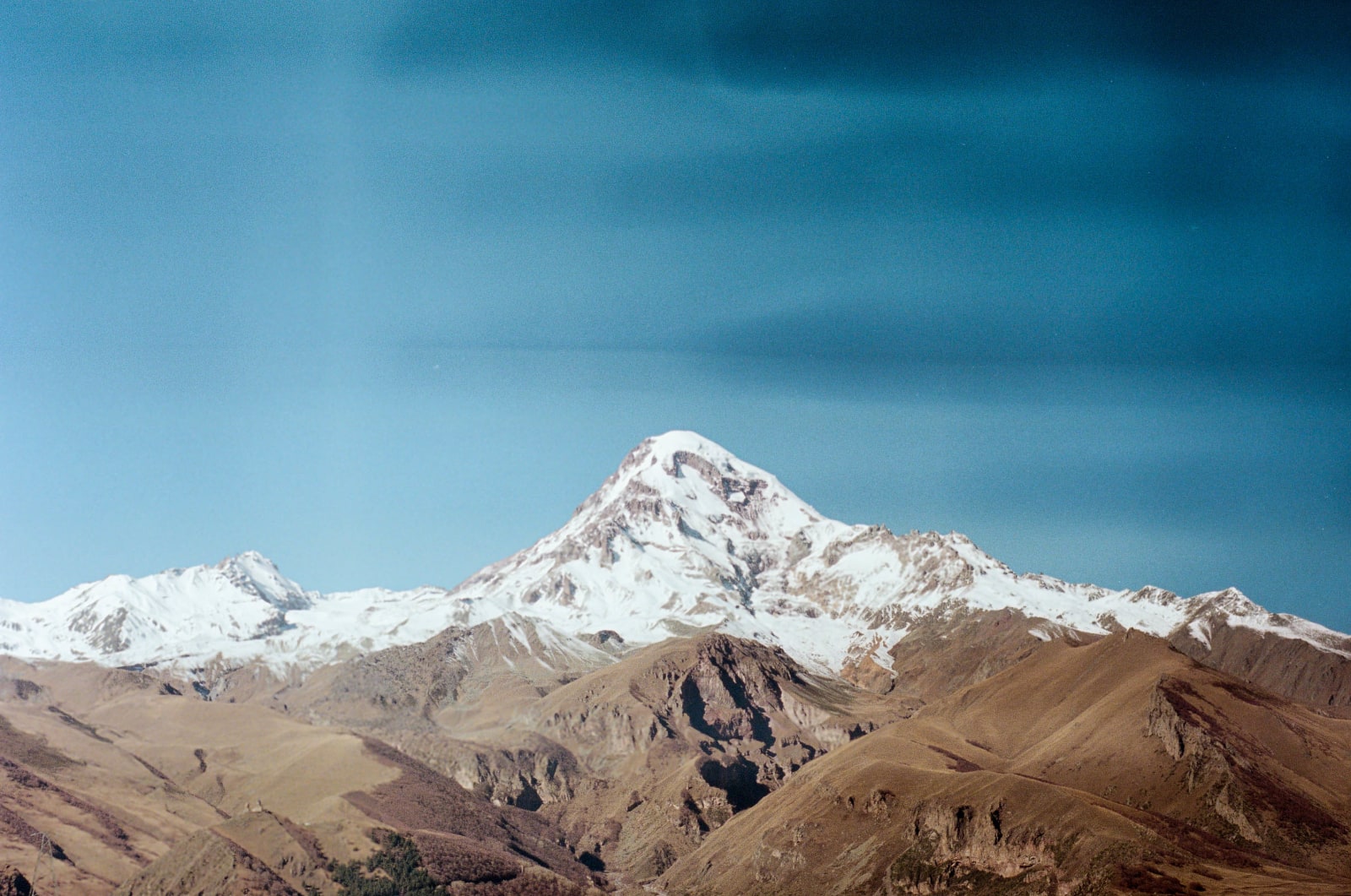
I was in the region for 7 days, exploring nearby churches and smaller summits. The highest peak looming over Stepantsminda is a dormant volcano, Mount Kazbek. Kazbek in the local Kabardian language (of the people living mostly across the border in Russian) means “Nobleman”. Georgians call the mountain “Mkinvartsveri” which translates to “Freezing Cold Peak”. The Caucasus, like any other mountainous region, is home to many different people, languages, and tribes, all of which have their names for Mount Kazbek. The most interesting one for me is the Vainakh name “Bashlam” meaning “Molten Mount”. Their language probably remembers the last eruption, which took place in 700 BC.
People usually ascend the peak in the summer, and it takes 5 days. One day I wish to return for the climb. If not for the entire summit, at least just to visit the legendary Betlemi cave along the way. The cave above the small church was inaccessible to ordinary people, and in ancient times the monks used it as a treasury to store royal possessions during the war.
My camera failed me here a couple of times while I was, just like it did when I was roaming around Tbilisi. So, unfortunately, I don’t have a clear photo of Mount Kazbek, just the three a bit faulty ones.


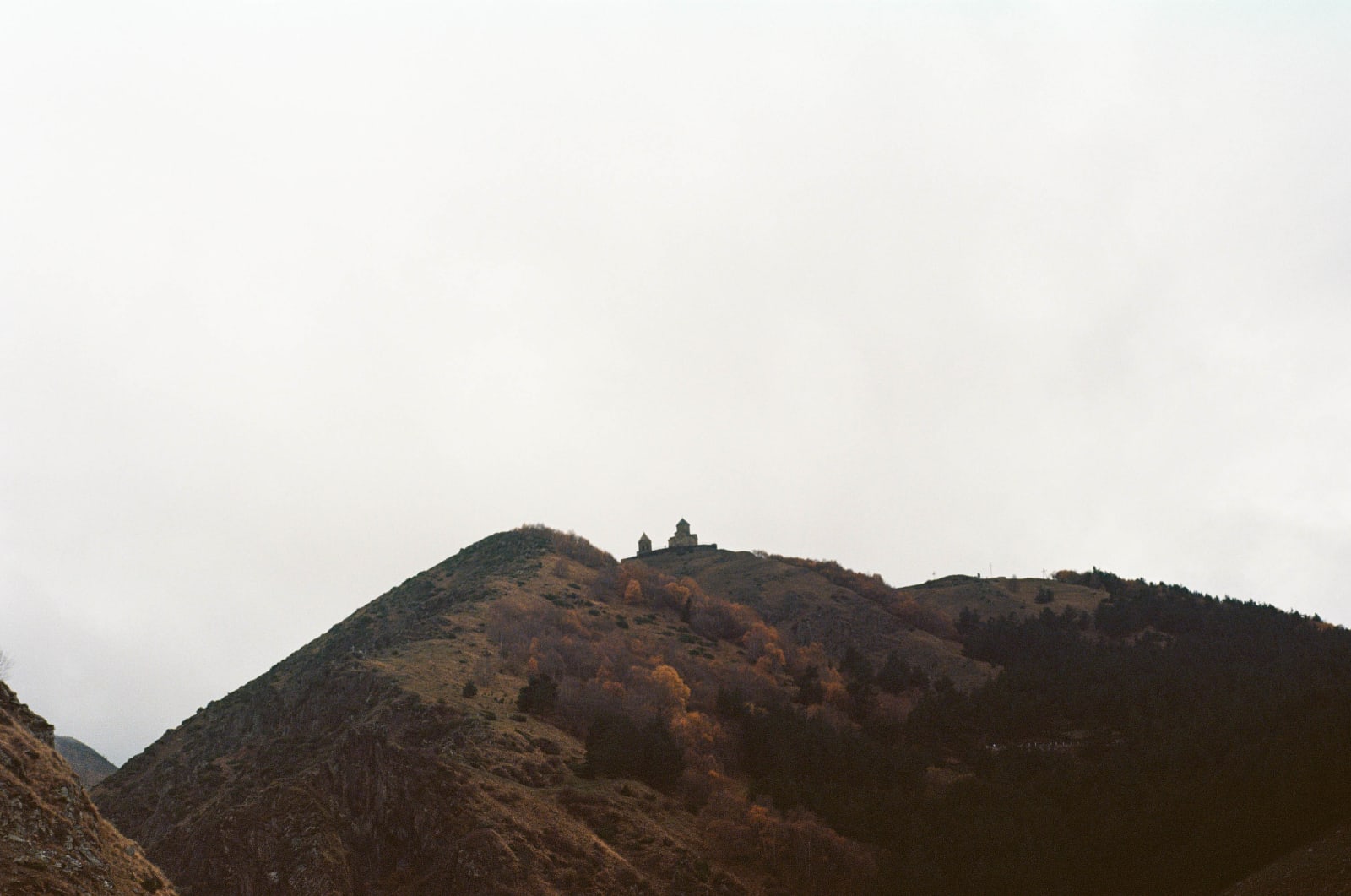
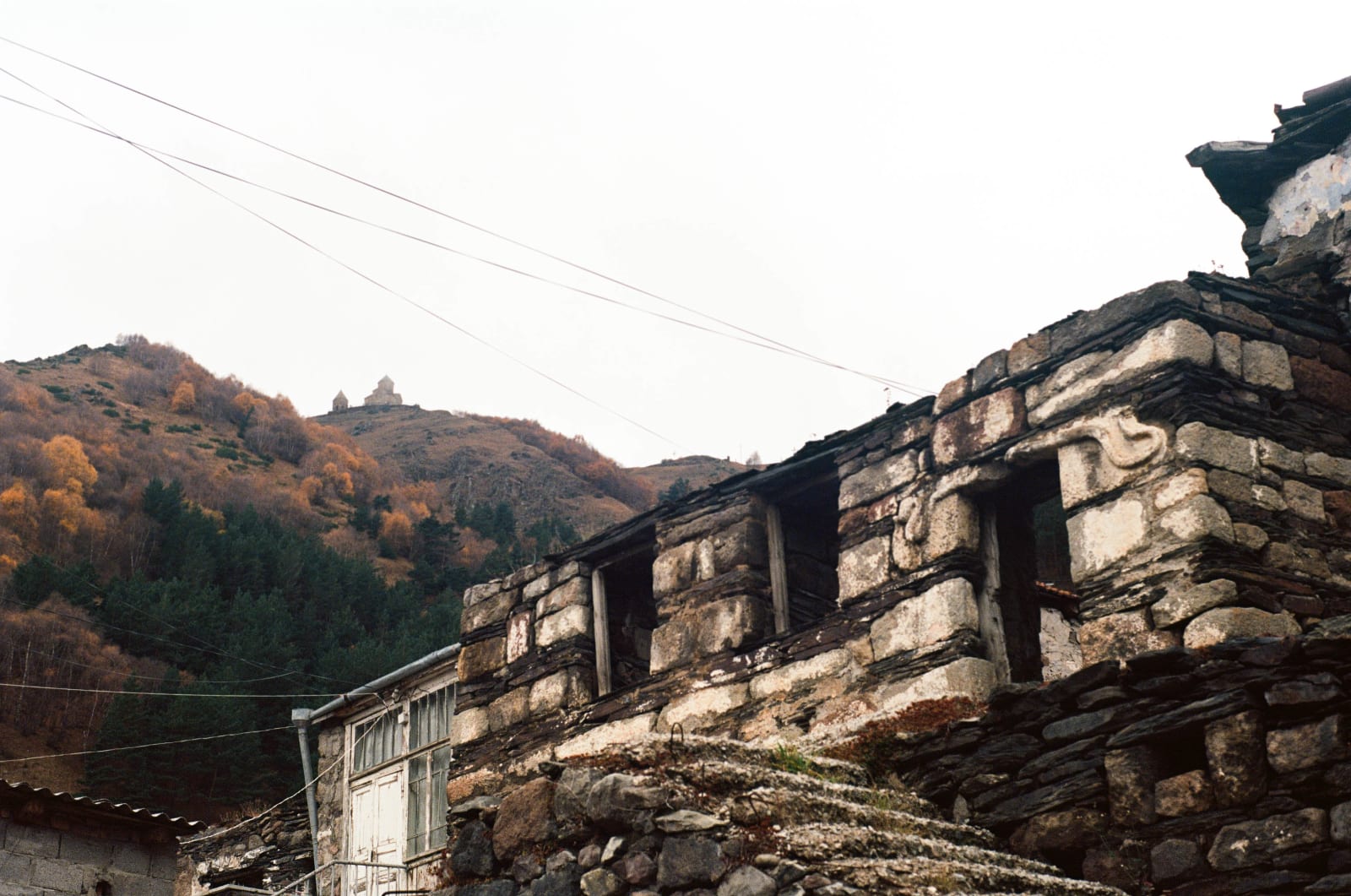
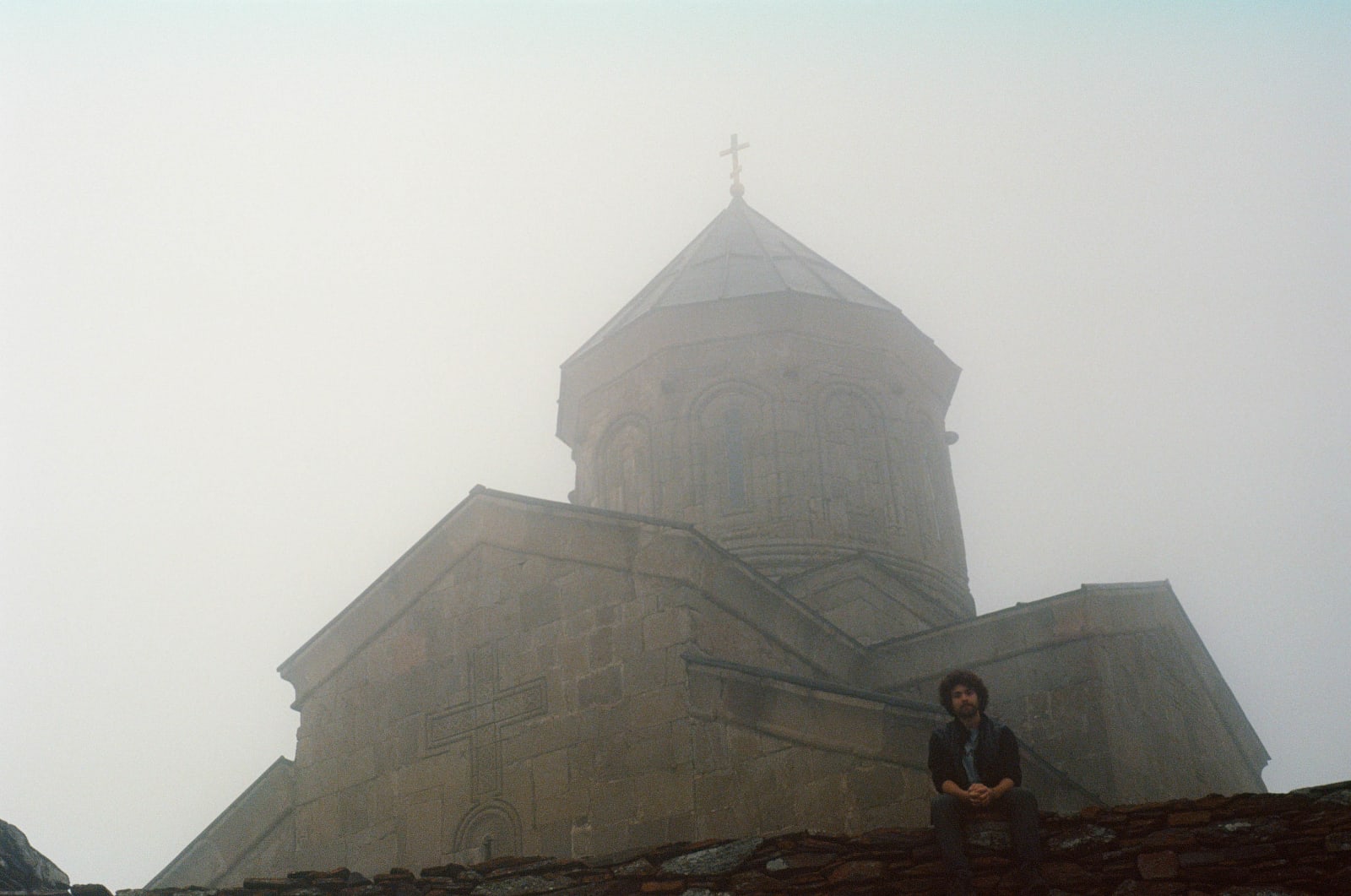
Gergeti Church
It takes almost two hours to climb to the church, but if you are like me, and you want to visit every small shrine (and every funny-looking stone) along the way, it will take you closer to five hours. There is also a road built recently, but I wouldn’t recommend it. Ascent to any temple on a hill is a sort of pilgrimage, and I feel that has to be done on foot, if possible. I’m sure there is also a science behind it, but every climb for me feels like a little religious experience.
The church is fairly touristic, and surprisingly most visitors were groups from India. All the sightseers were respectful and didn’t take anything away from the natural peace of the sacred place. I lit a couple of candles in front of my favorite icons and made a couple of wishes which luckily all came true. To be fair, I never make any extravagant requests to the higher forces.

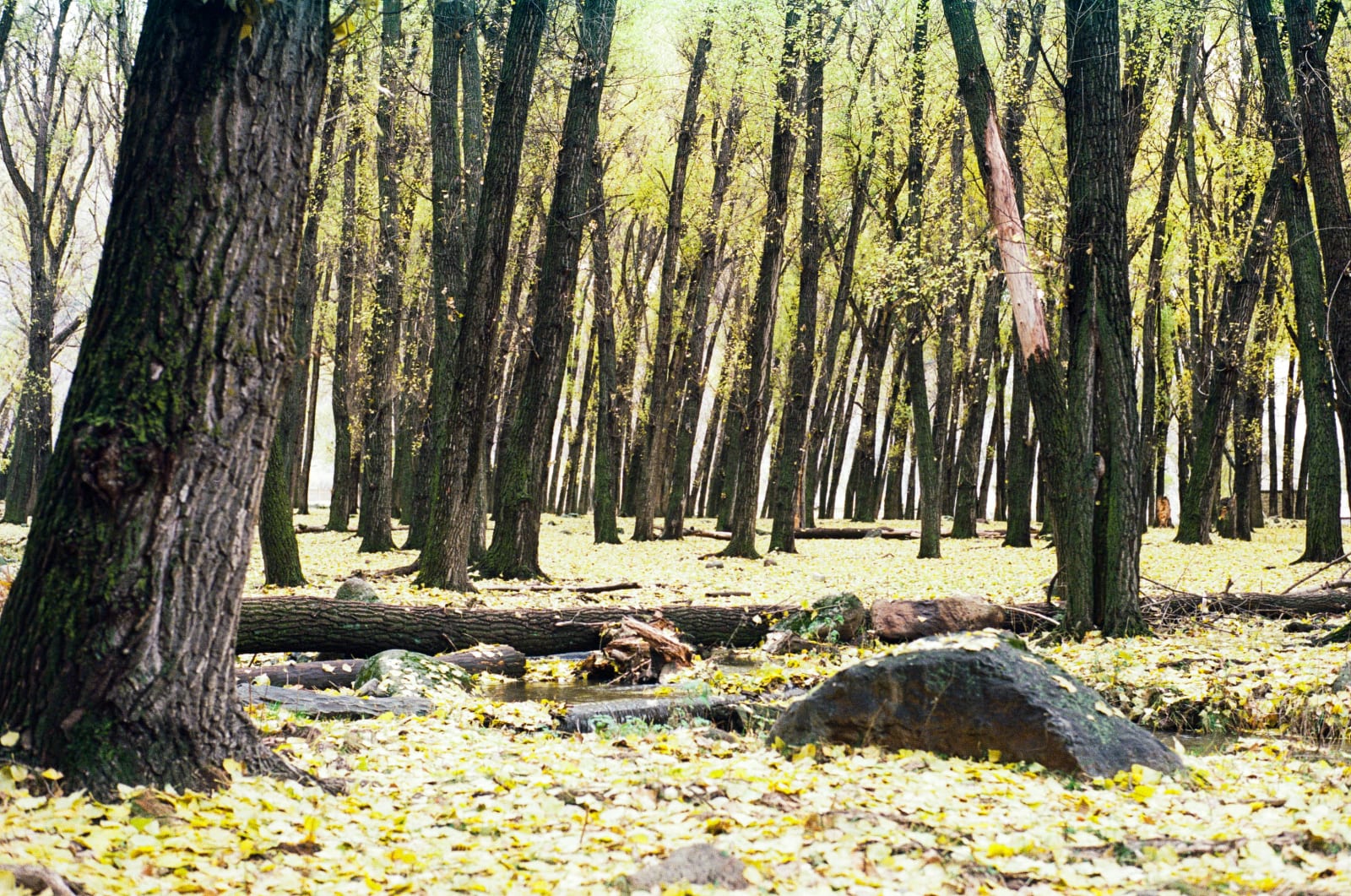
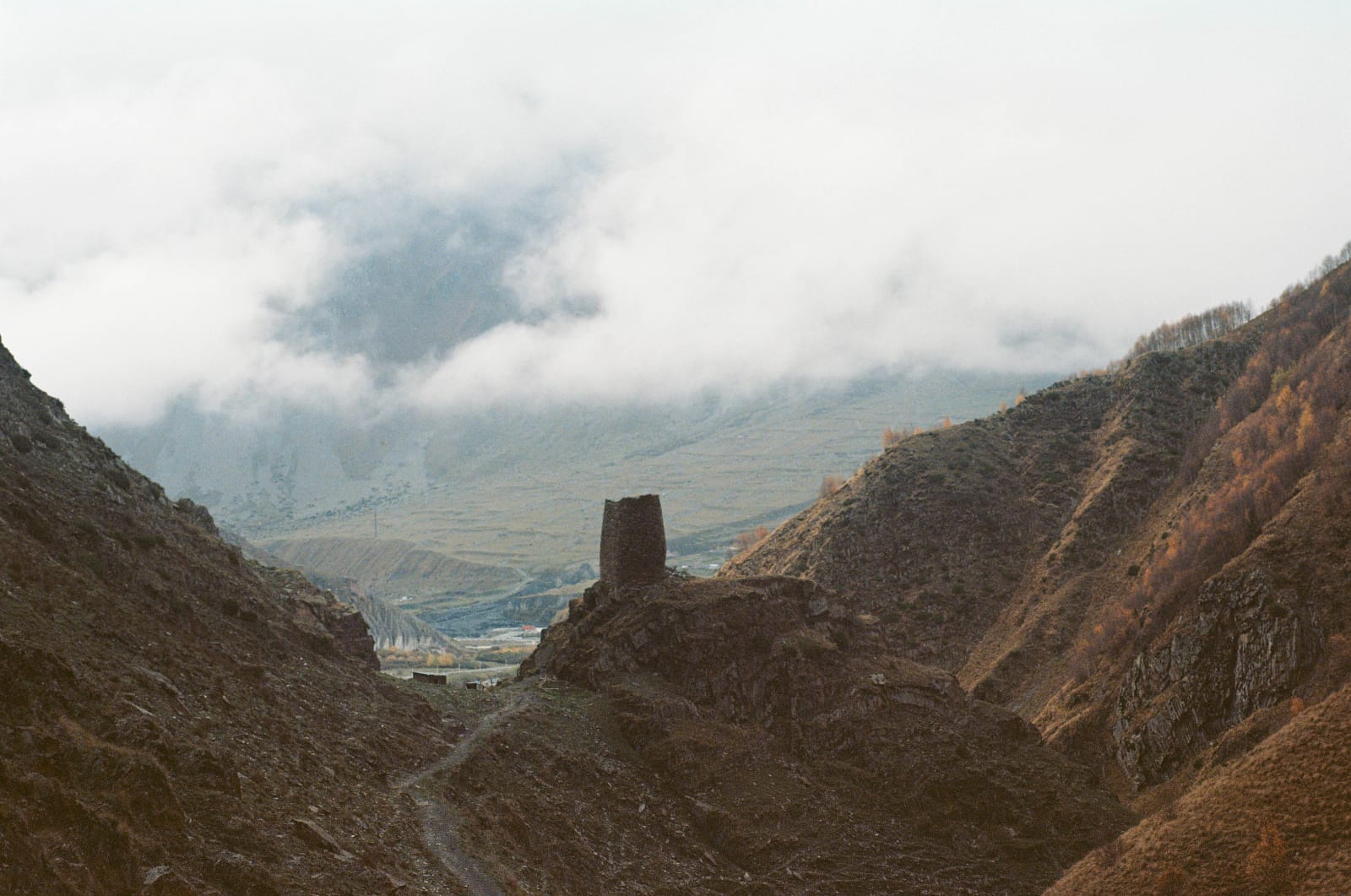
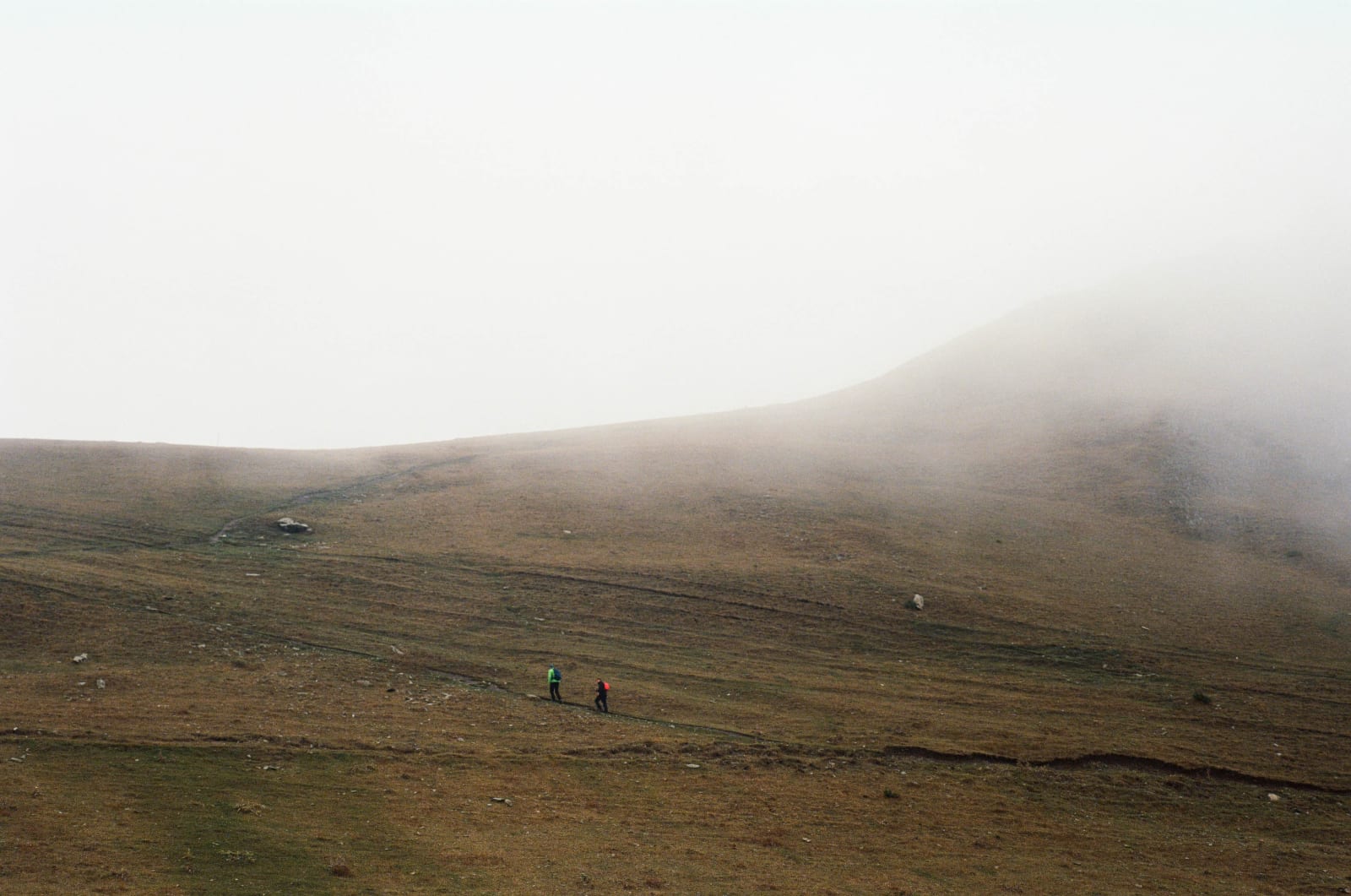
Truso Valley
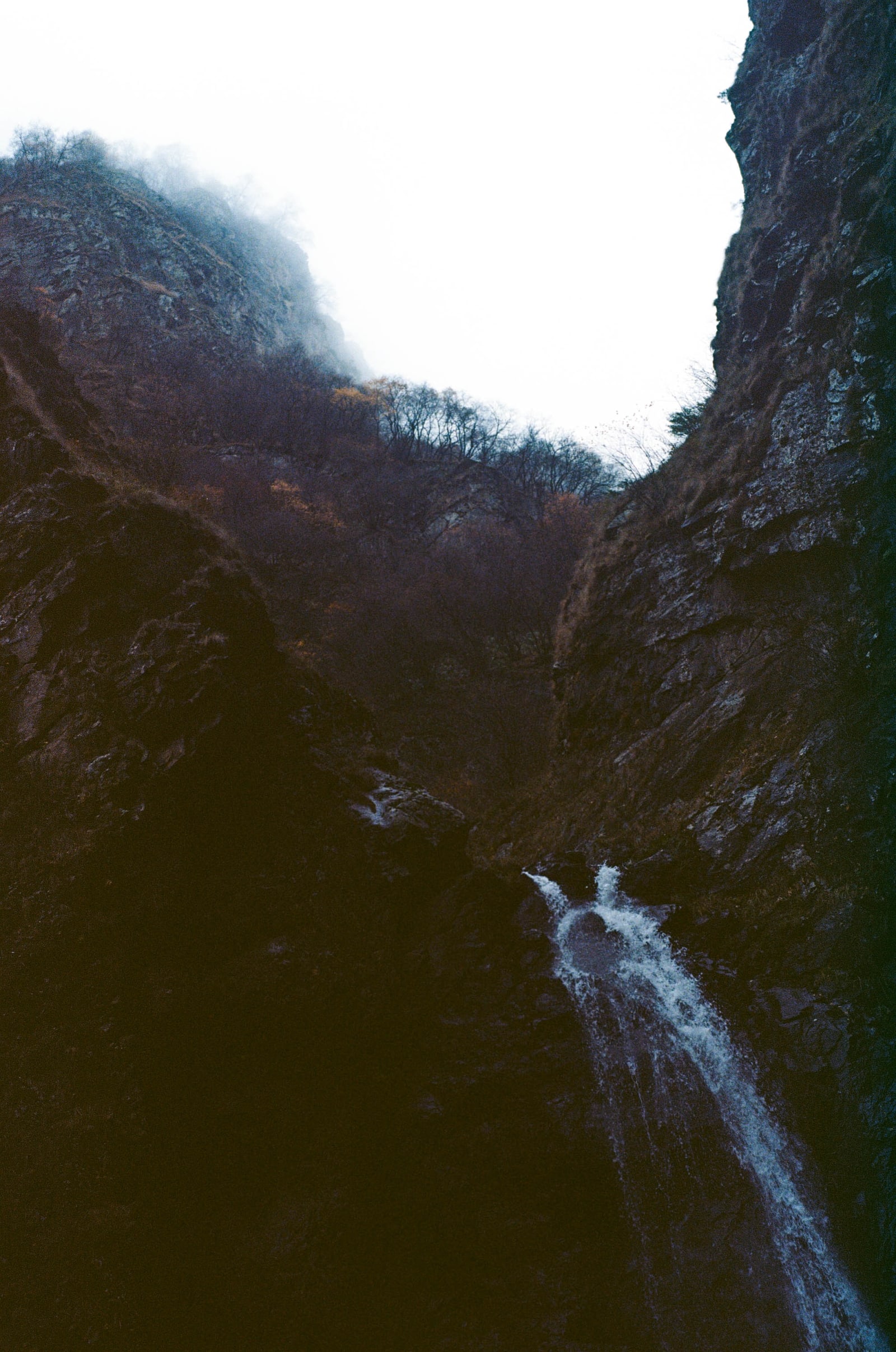
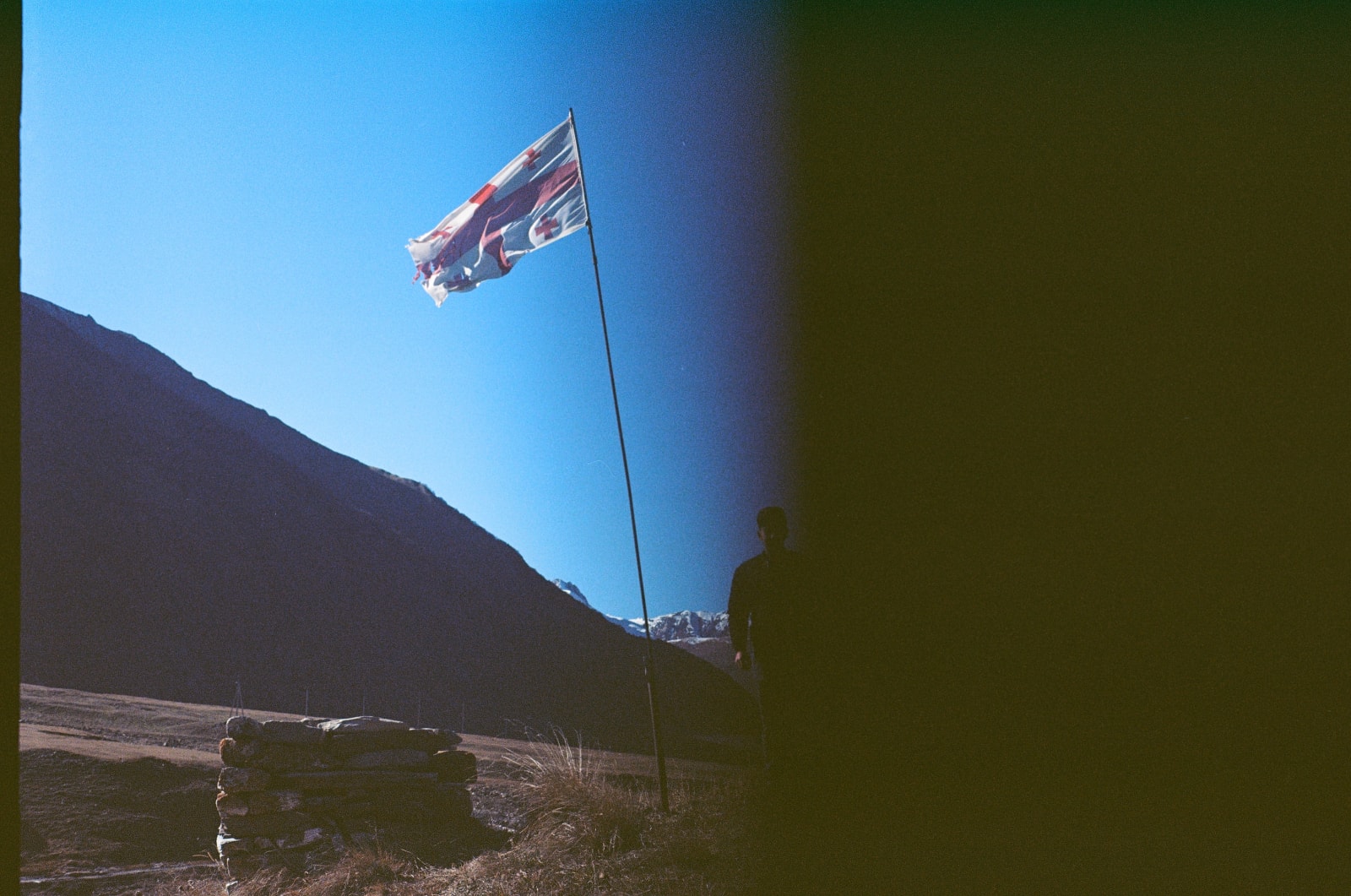
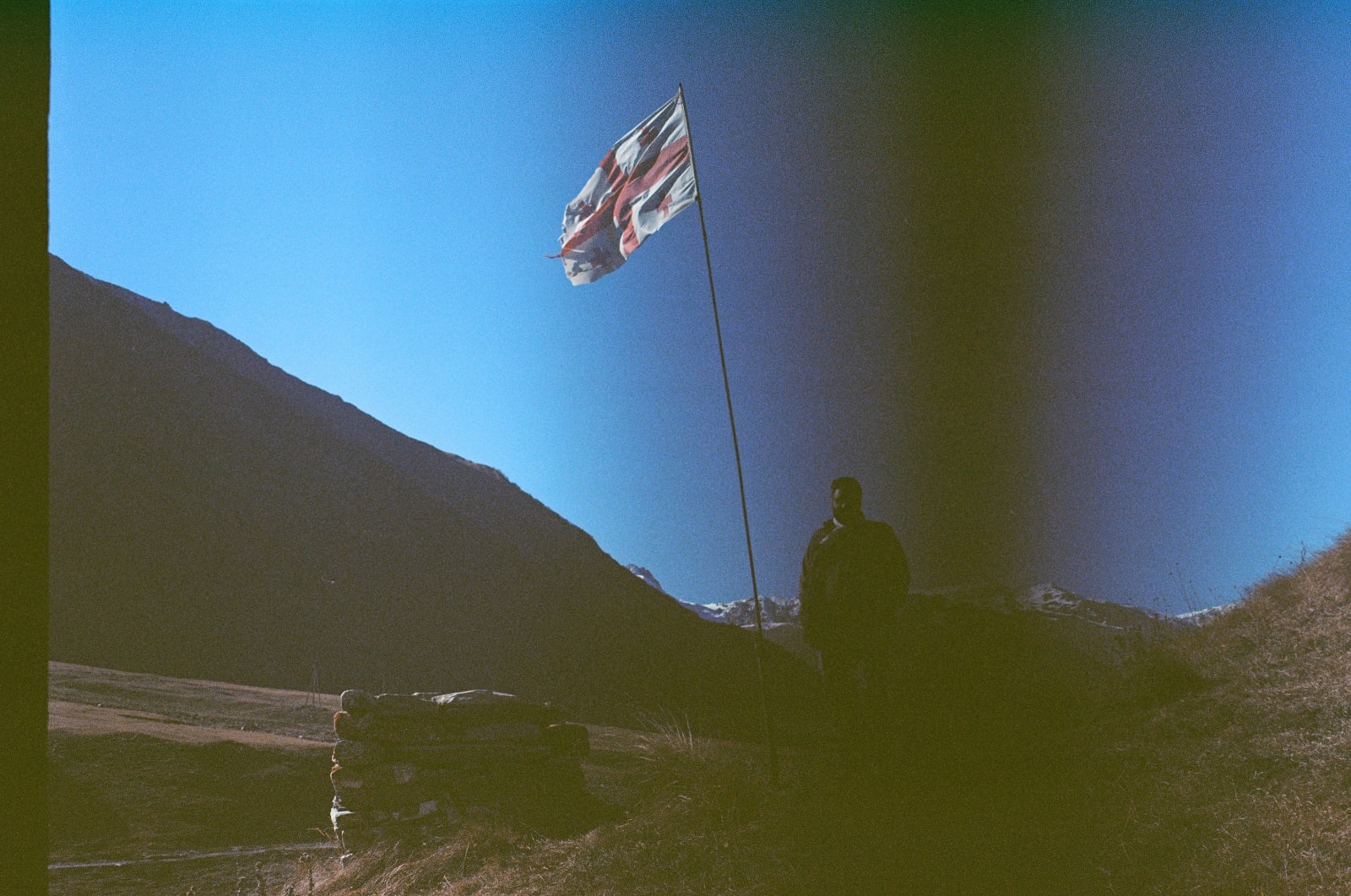
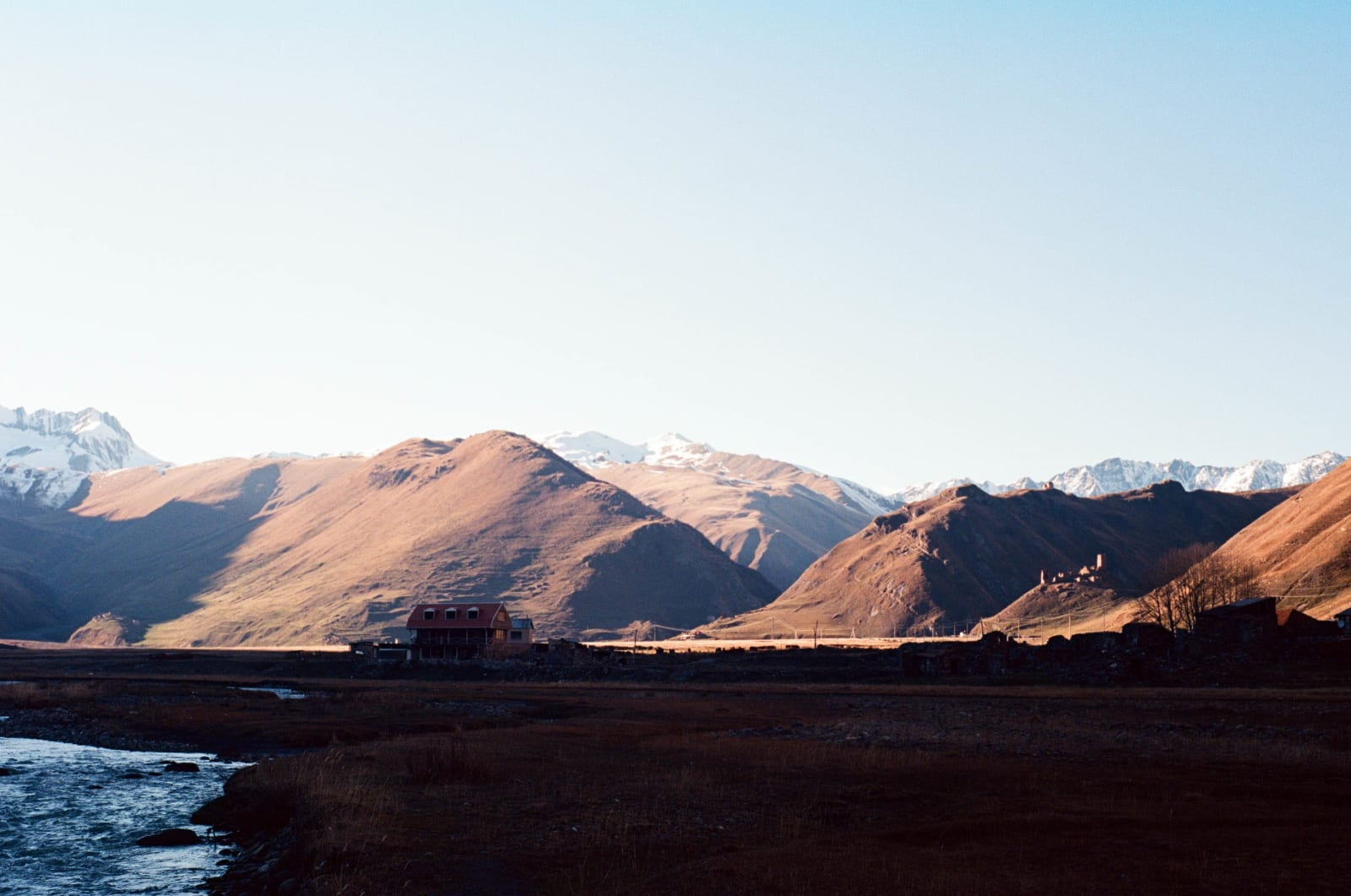
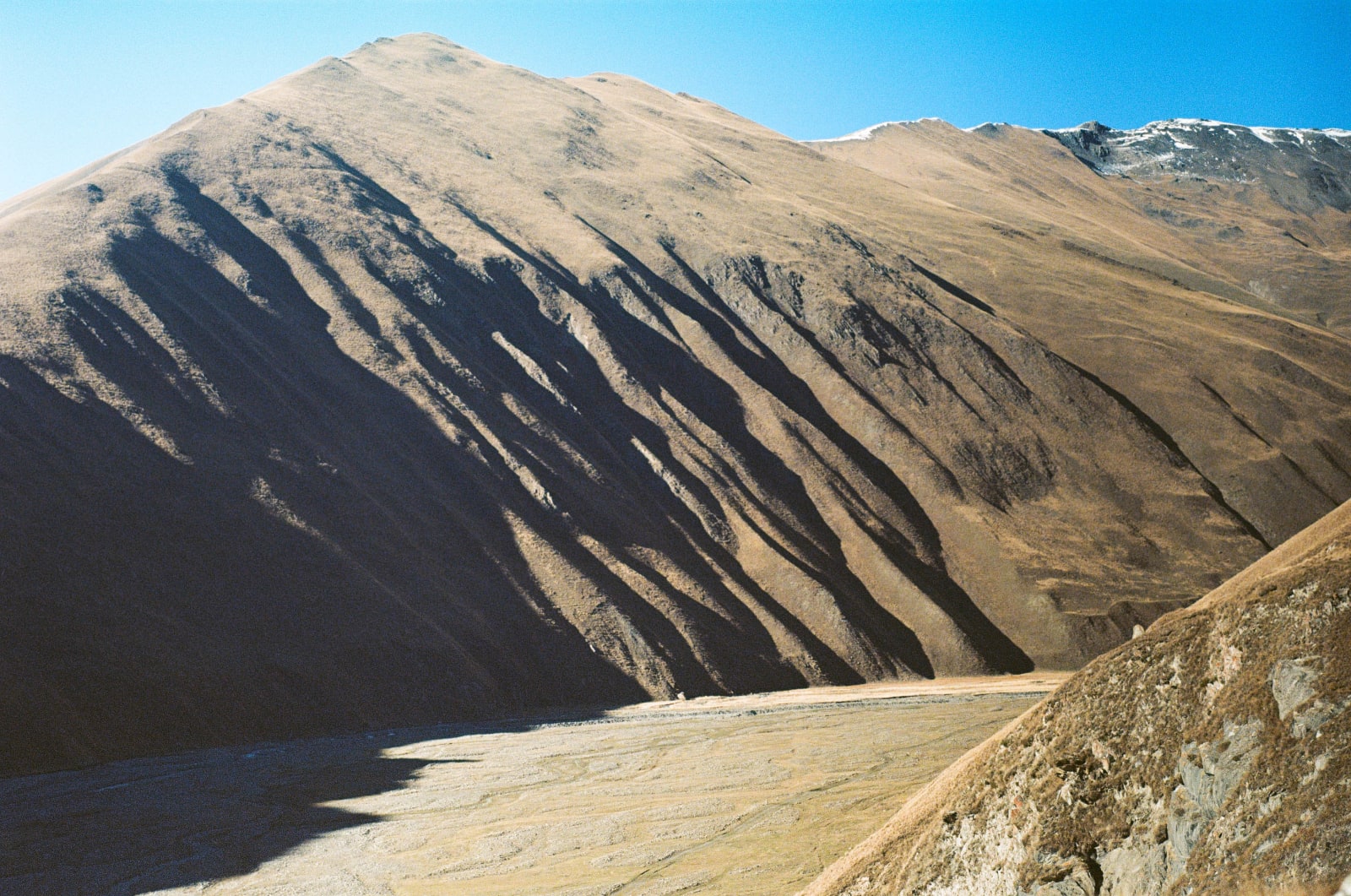
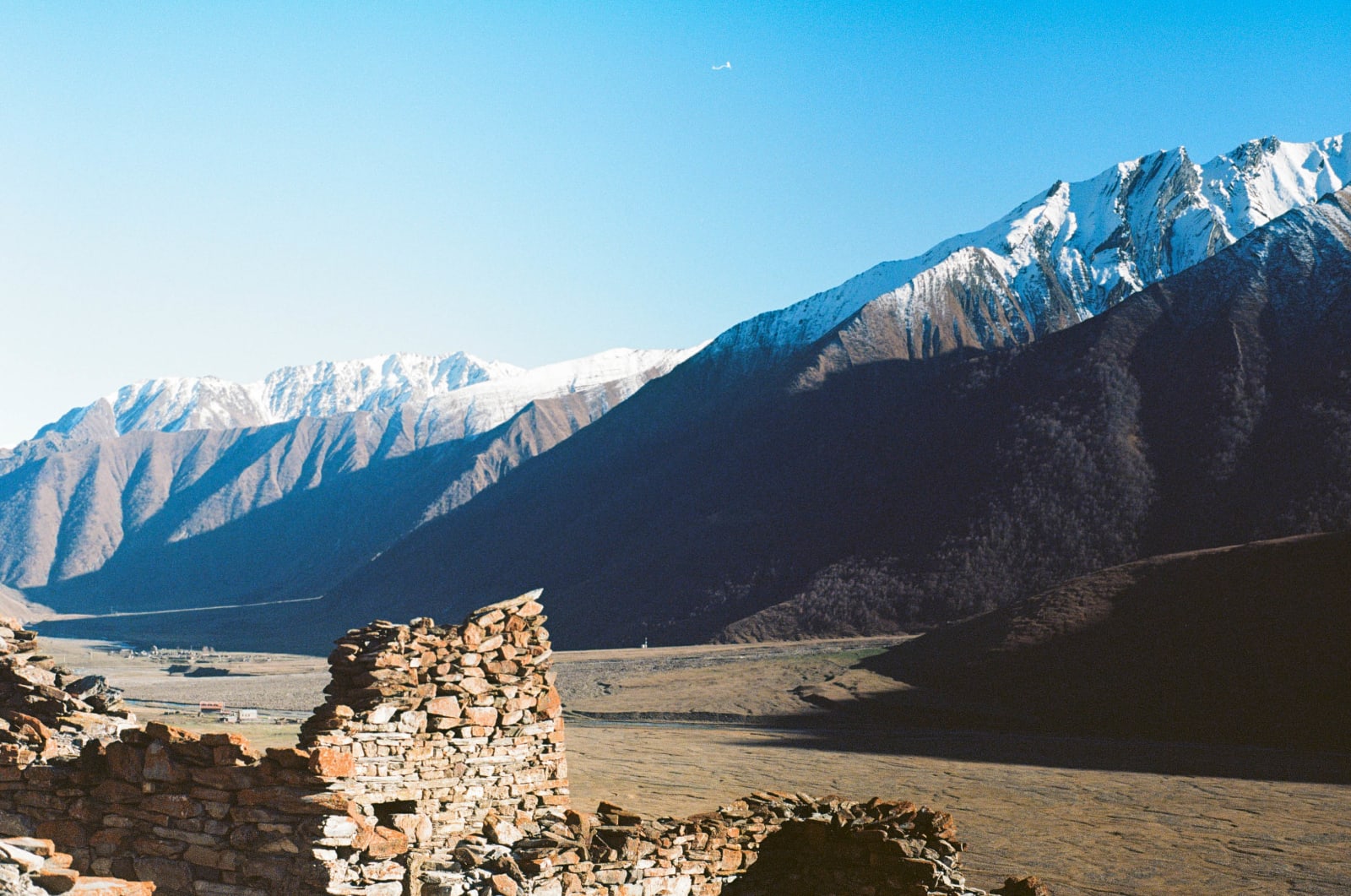
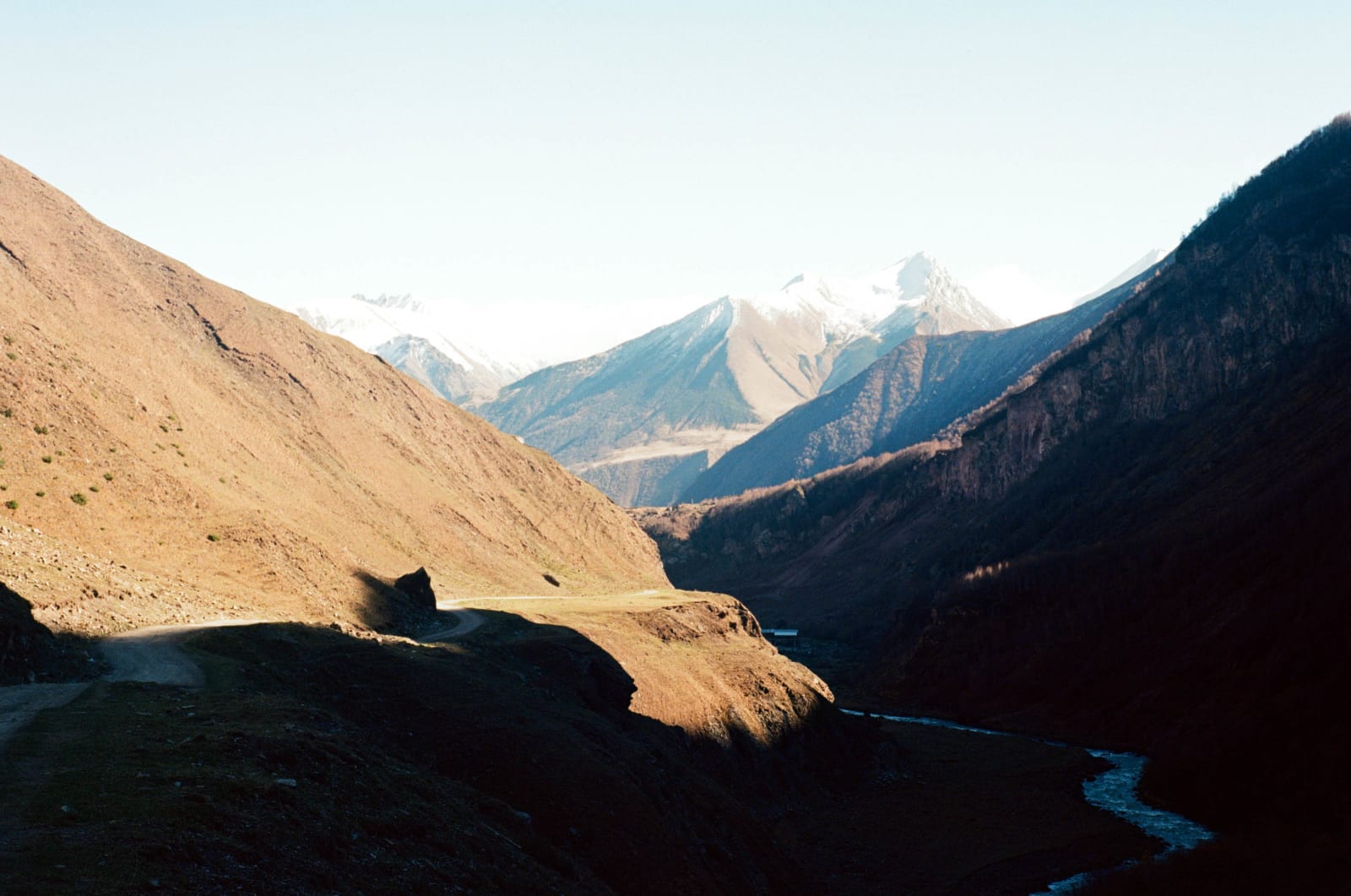
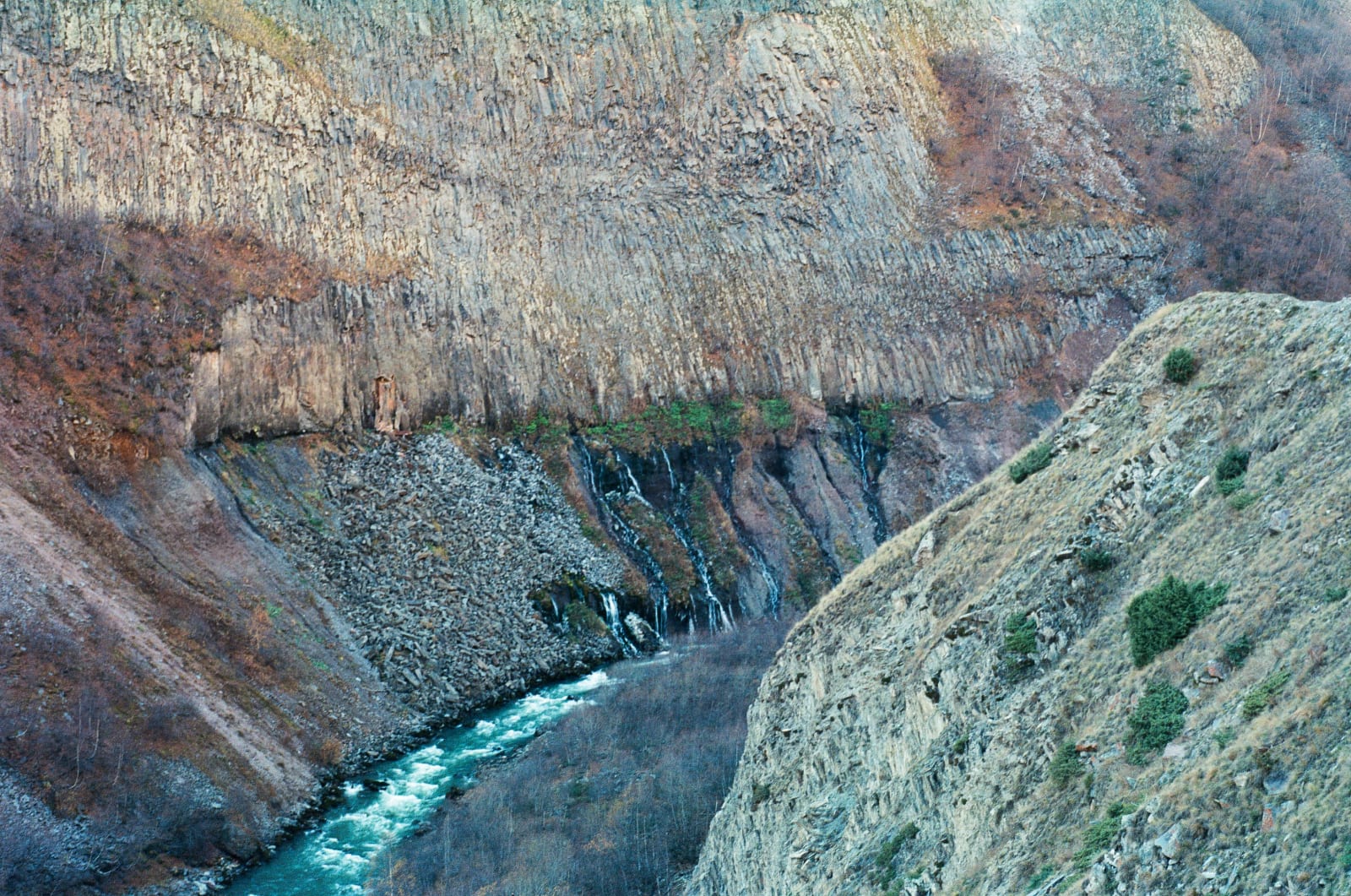
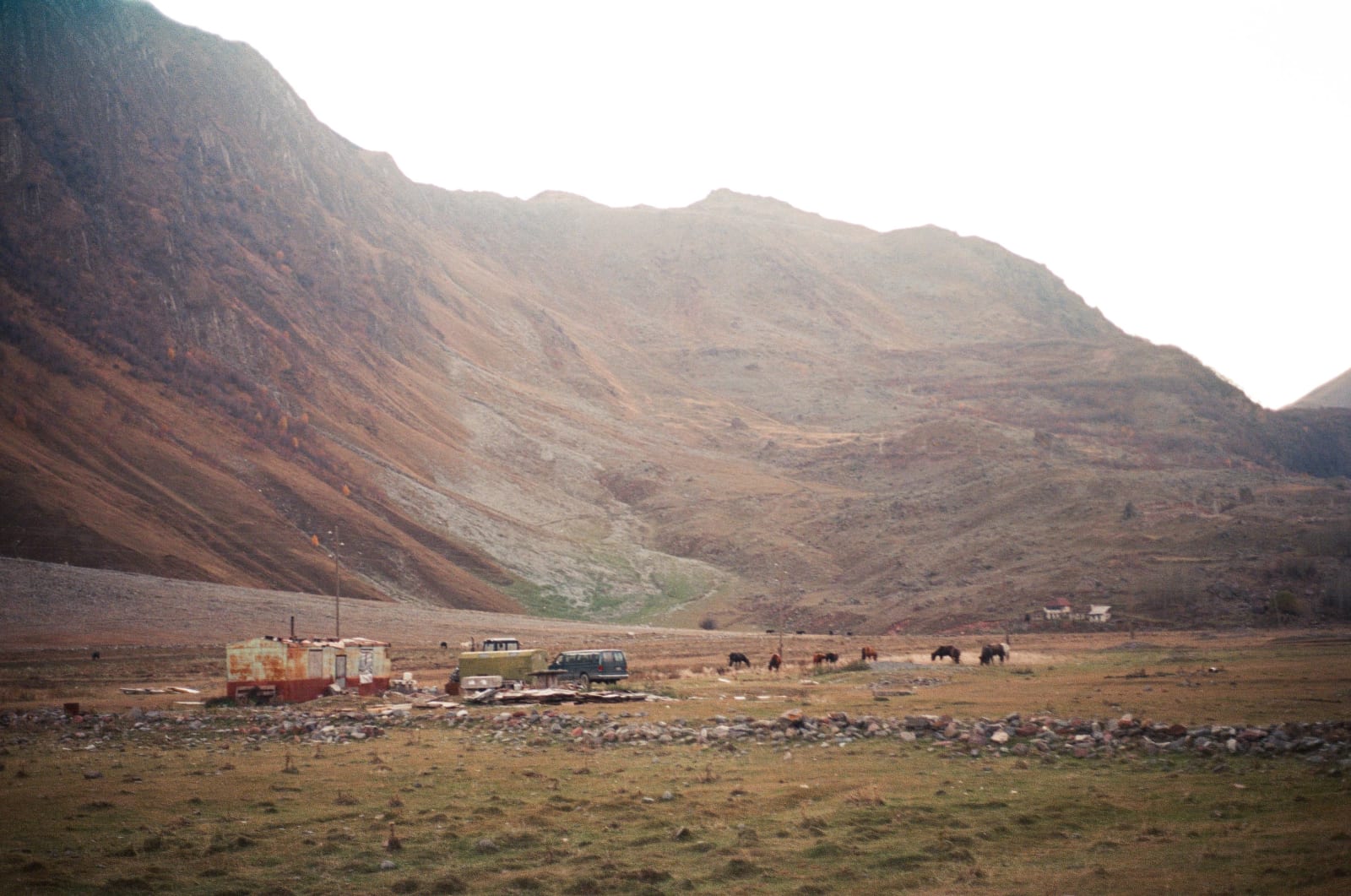
Since the valley is dangerously close to the occupied territory of South Ossetia, it is impossible to hike all the way to the border. Under the Zakagori Fortress (at the end of the accessible part of the valley), there is a military outpost with a few stationed soldiers. We can only imagine the tourism potential the entire region would have in a more peaceful time.
Map of the region
On the map below, you can see all my favorite places, including the ones I didn’t yet visit.
